
Japan - October 2024
And we’re back!
We honestly didn’t expect to return to Japan so soon after our prior trip. I had chosen Patagonia as our destination for the spring, and told my husband to choose the destination for the fall. At first, it started off as a joke - if for no other reason than that we love Japan. But he couldn’t think of any other place that excited him as much as Japan. The more we joked about it, the more we thought about it and the more it made sense. He had been dreaming for years about visiting Hokkaido, and we’ve never been in autumn, and the dollar was still strong against the yen.
I introduce to you: Japan - Hokkaido Edition
Hokkaido is the northern island of Japan, known for stunning landscapes, dairy (read: ice cream) and fresh seafood - yes, even more so than Honshu. The indigenous people of Japan, the Ainu, were the primary inhabitants of the island. Hokkaido, formerly known as Ezo, became pat of Japan in 1869 in the Meiji era, so it is a relatively recent addition to Japan. That being said, the architecture in Hokkaido is unlike that of what we think of when we think about Japan - like in Kyoto or temples and shrines.
What drew us to Hokkaido was really the food. The area is known for scallops and squid and uni.
Being the northernmost region of Japan, Hokkaido experiences fall about a month earlier than the rest of the country, and a few weeks to about a month after we do in New Jersey, depending on the year. We scheduled our trip to be in the middle to end of October, in hopes of catching peak foliage season. We were probably about a week too early for peak season, but we still saw colorful leaves, experienced the crisp clean air and found beauty all around us.
Itinerary
Day 0 - October 16: The journey begins!
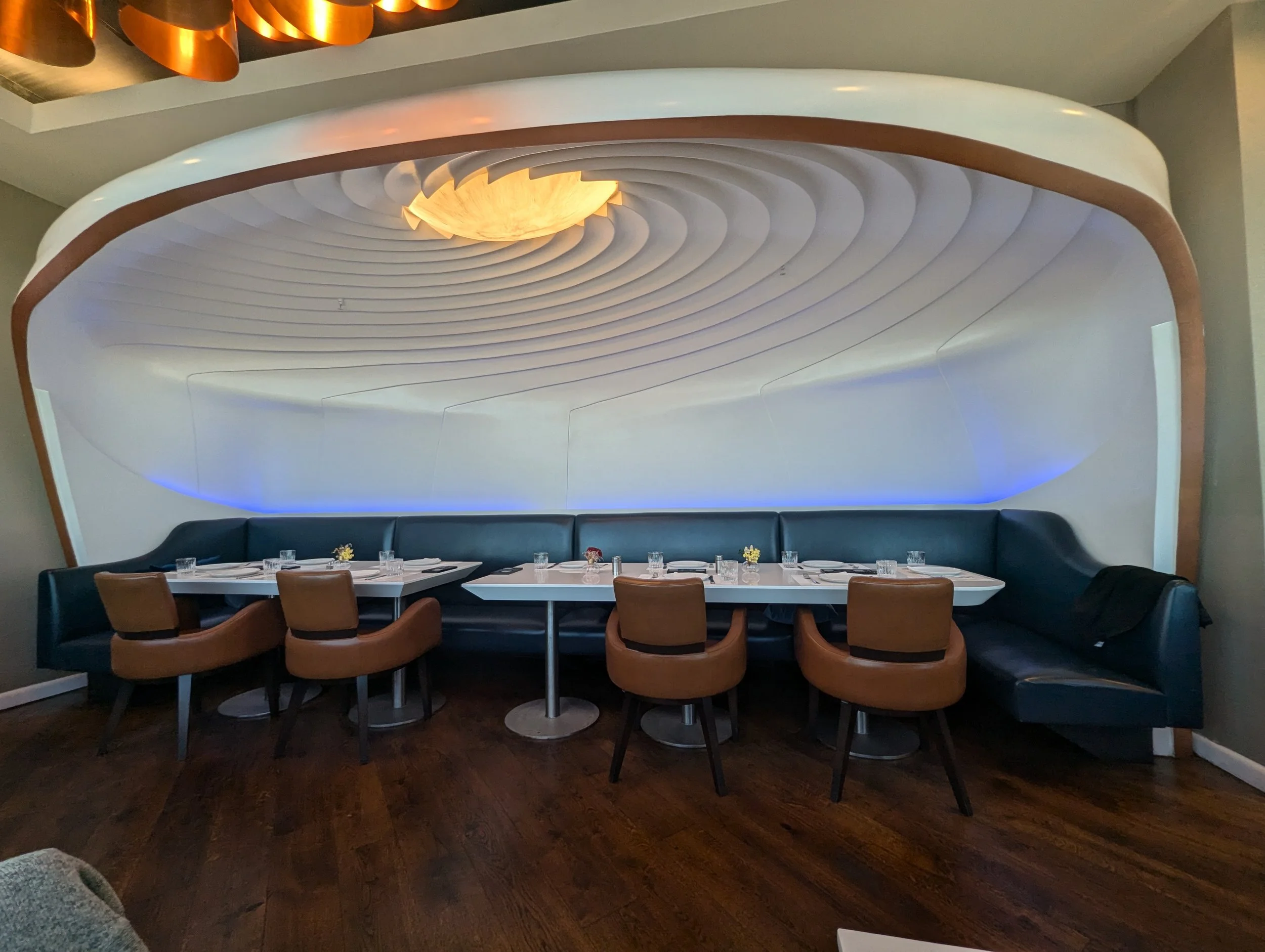
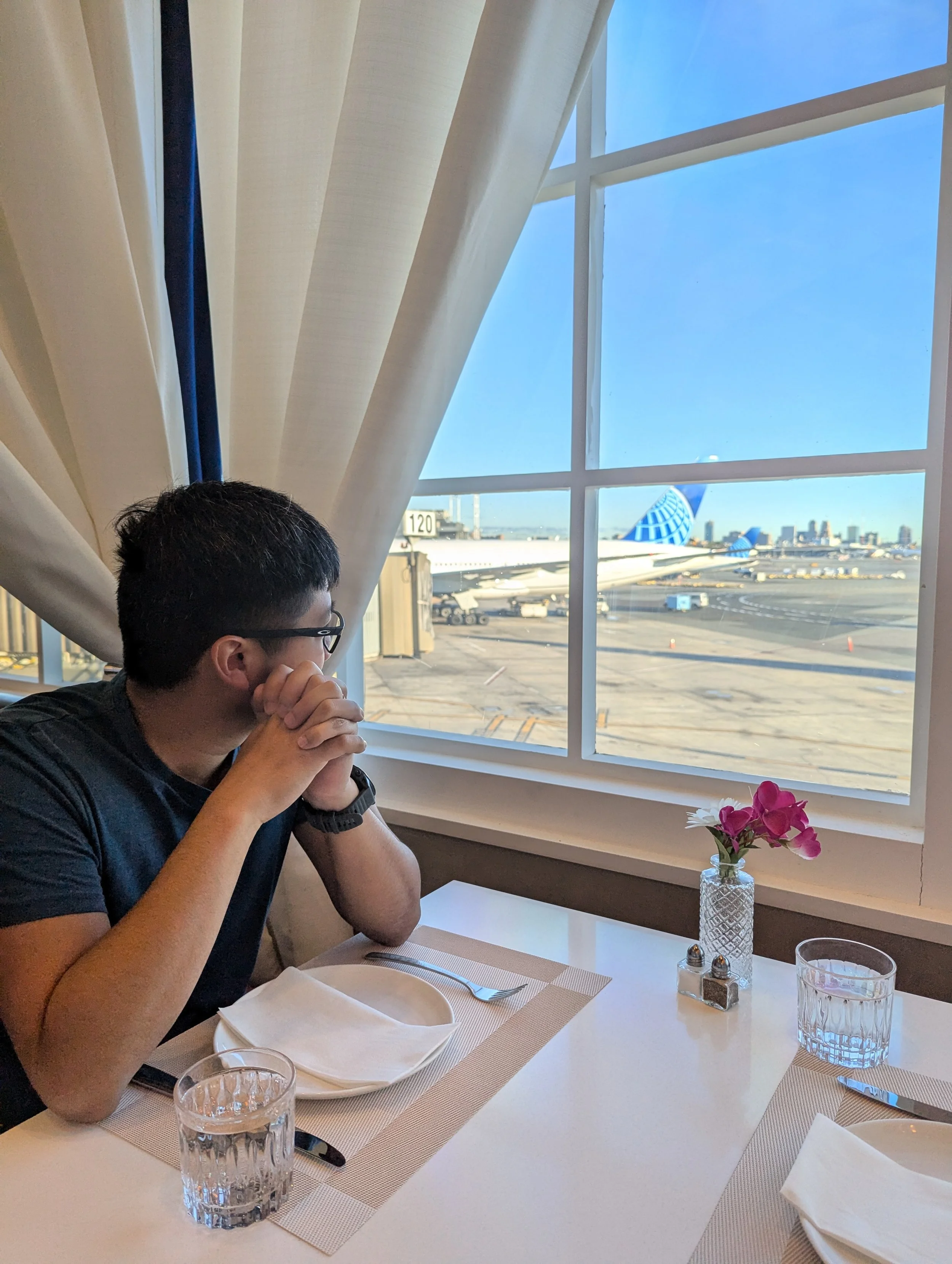
Days before our trip, my husband received an email invitation to a speakeasy lounge at EWR. We accepted the invitation and followed the instructions. We were taken to the back of a restaurant, down a hallway to a small lounge that had huge windows overlooking the tarmac. We were the only ones there for most of our meal. To be honest, the food was mediocre and pricey (it’s still airport food after all), but it was very cool to watch the planes, and there was a private bathroom as well. Unfortunately, shortly after our trip, the speakeasy closed and will be repurposed as part of the Polaris lounge. We are glad we got to experience it!

Our direct flight to Tokyo departed at 10:20AM from EWR. I read an entire book (Colleen Hoover - so it made me cry), Inside Out 2 had just come out (all the feels there too) and also decided I hadn’t seen The Notebook in a while, so I was that weirdo crying on the plane - perhaps not the best of decisions but it made the flight feel so short! One of our tricks is to stay up the entire flight to Japan, that way when you land, you’ll be tired and sleep well the first night. It helps to overcome jetlag so you can hit the ground running your first full day of exploring!
Day 1 - October 17: Arrival in Tokyo
Our flight landed around 1:30PM in HND, marking the start of our exciting journey.
Since our previous trip to Japan, the Japan Rail Pass prices increased significantly, no longer making it the best way for travelers to get around. Prior to our trip, we had done some research and decided that we would get Suica cards. Different regions of Japan have different “brands” of IC cards, but the idea behind them is the same, and you can often use them throughout. A Suica (or Pasmo, Icoca, etc.) is essentially a debit card that you can use to pay for trains, subways, buses and convenience stores. Suica is popular in the Tokyo area - and, you can get your Suica card personalized with your name on it at certain stations. As silly as this may seem, this was one of the deciding factors for us to choose Suica. Aside from being cool, the personalization also allows the card to be returned to you if you happen to lose it. The cards are valid for 10 years, so if you think you may be returning to Japan, you don’t need to purchase a new card every trip! There is also a Welcome Suica, for travelers, that is good for 30 days.
Anyway, since we weren’t picking up a JR Pass (the JR Office is in HND), we collected our luggage, went through customs and immigration, and purchased tickets for the monorail to Hamamatsucho (¥250). Here we transferred to the JR Yamanote line. We had an incredibly difficult time finding where to purchase tickets. It turns out we needed to exit the station (¥150), re-enter and then purchase tickets to Tokyo Station (¥210) at the South Entrance. (Pro Tip: always keep your tickets, because sometimes you need your ticket to exit).
The Yamanote line creates a circle around Tokyo, and stops at many of the major areas, including Ueno, Shinjuku, Shibuya, Shinagawa, Akihabara. We took the Yamanote line to Tokyo Station. There are specific stations where you can print your Shinkansen tickets and where you can purchase a personalized Suica card. You can do both at Tokyo Station. Even though it would have been easier to go straight to our hotel, or stop at another station, because we needed to do both, we took a detour to Tokyo Station. We had reservation our Shinkansen trains ahead of time, but you must have the printed tickets before boarding. We want to minimize stress when it comes time to board the train, so we opt to print our tickets the day before - especially since we were going to Tokyo Station for Suica anyway. There are kiosks where you can print your Shinkansen tickets, or you can go to the counter. To get the personalized Suica card, you must use the black machine at the Maranuchi North entrance of the station.
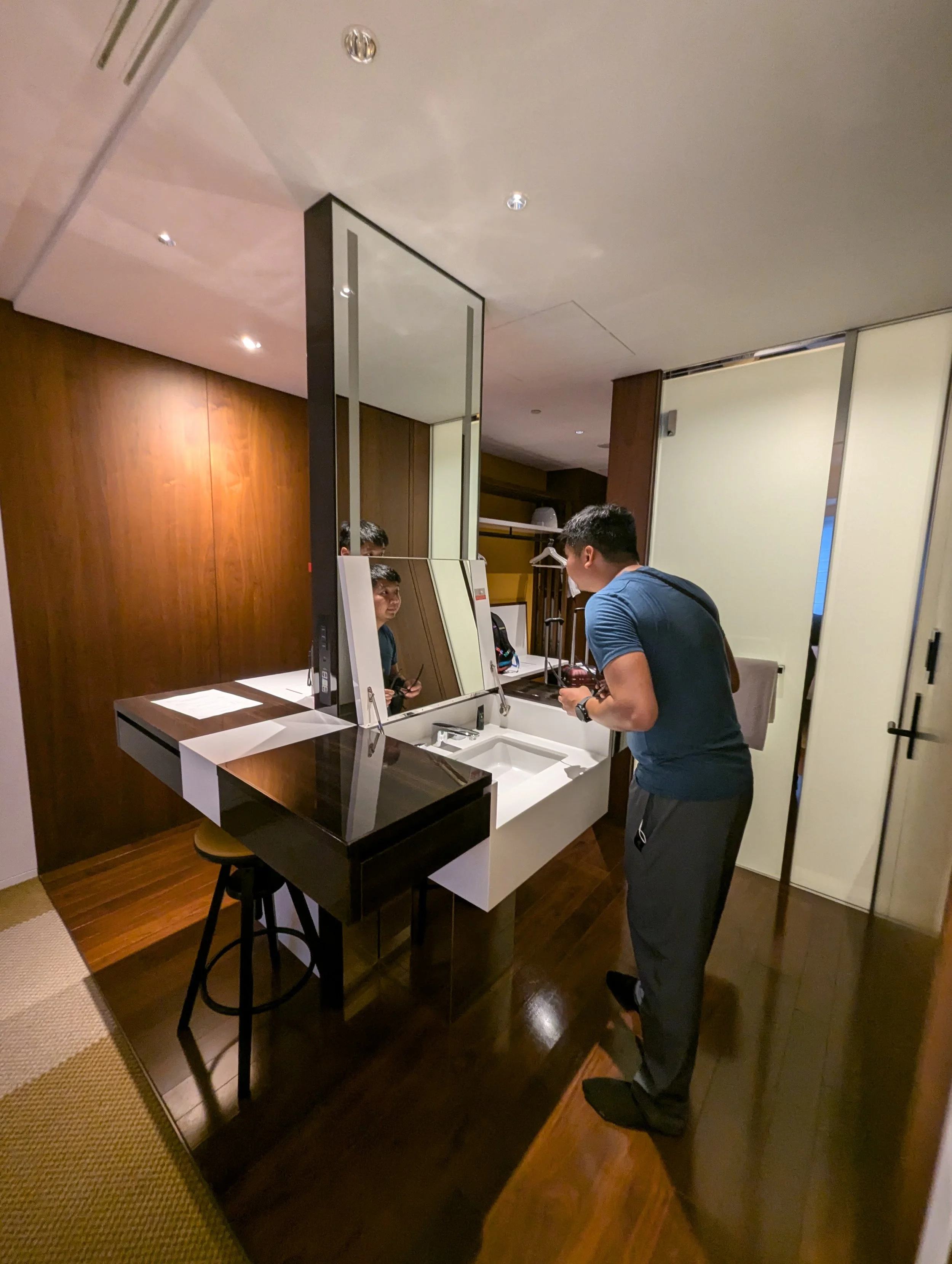
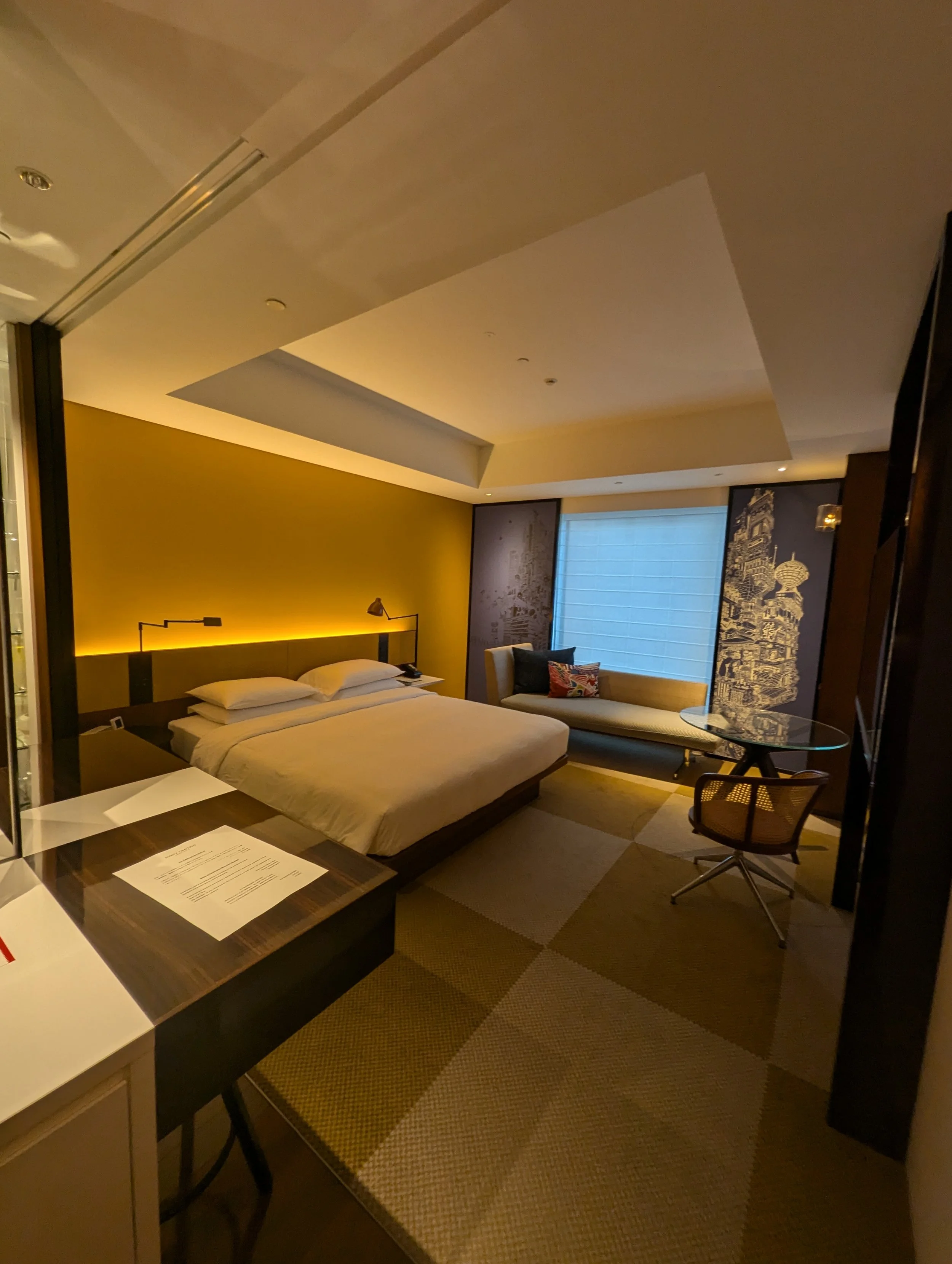
Once our train errands were done, we hopped a train to Ginza, using our newly purchased Suica cards. As Hyatt members, we opted to stay at the Hyatt Centric Ginza. This isn’t the level of hotel or neighborhood we would have normally chosen, but a free night is a free night! And boy, was it worth it. We checked into the Hyatt Centric Ginza at 4:30PM, a hotel that radiates modern and chic vibes. The hotel keys are non-plastic, they provide reusable water bottles that you are free to take with you. They even offer a complimentary drink at the bar, Namiki667, every evening for guests from 5-9PM.

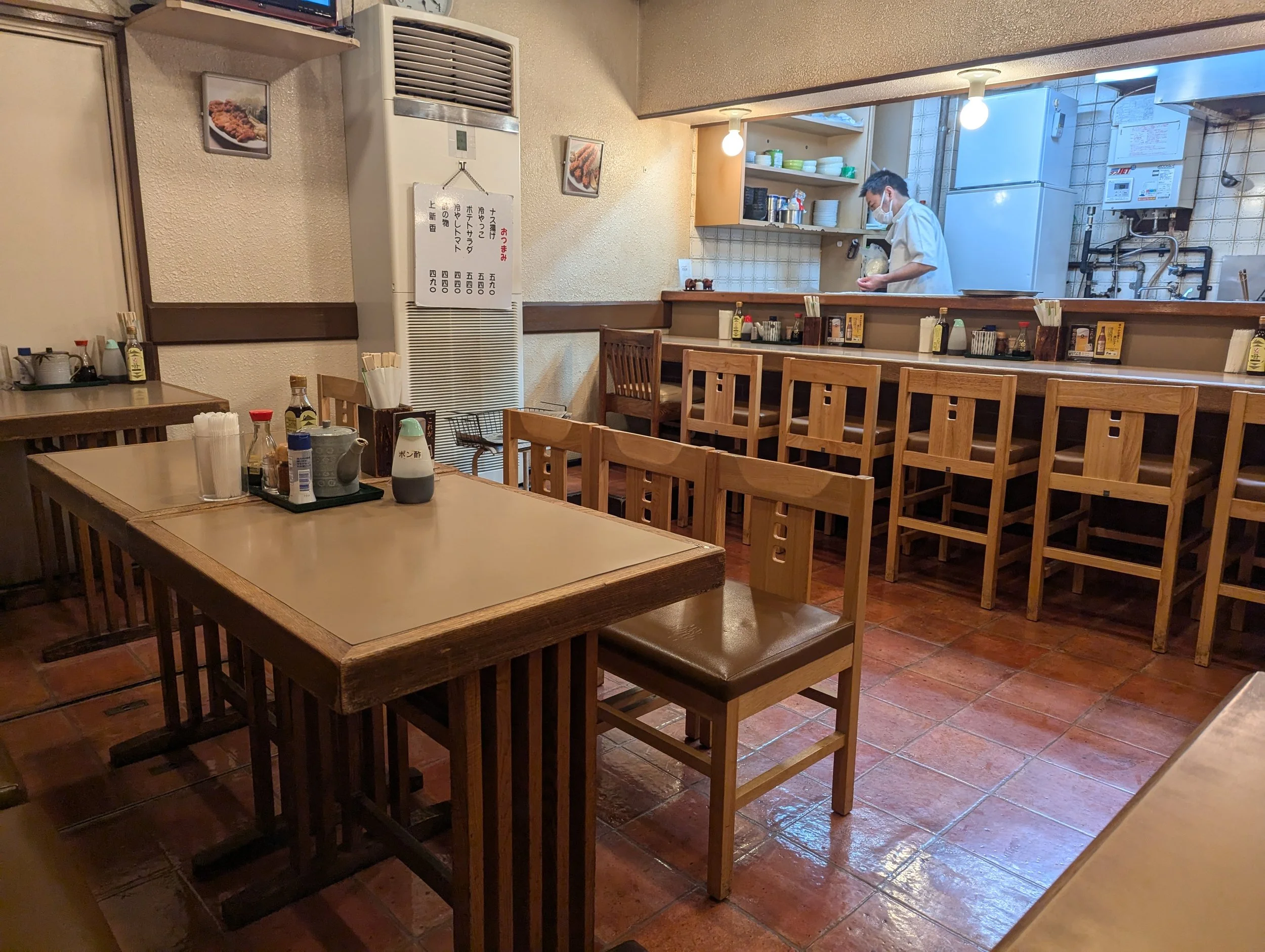
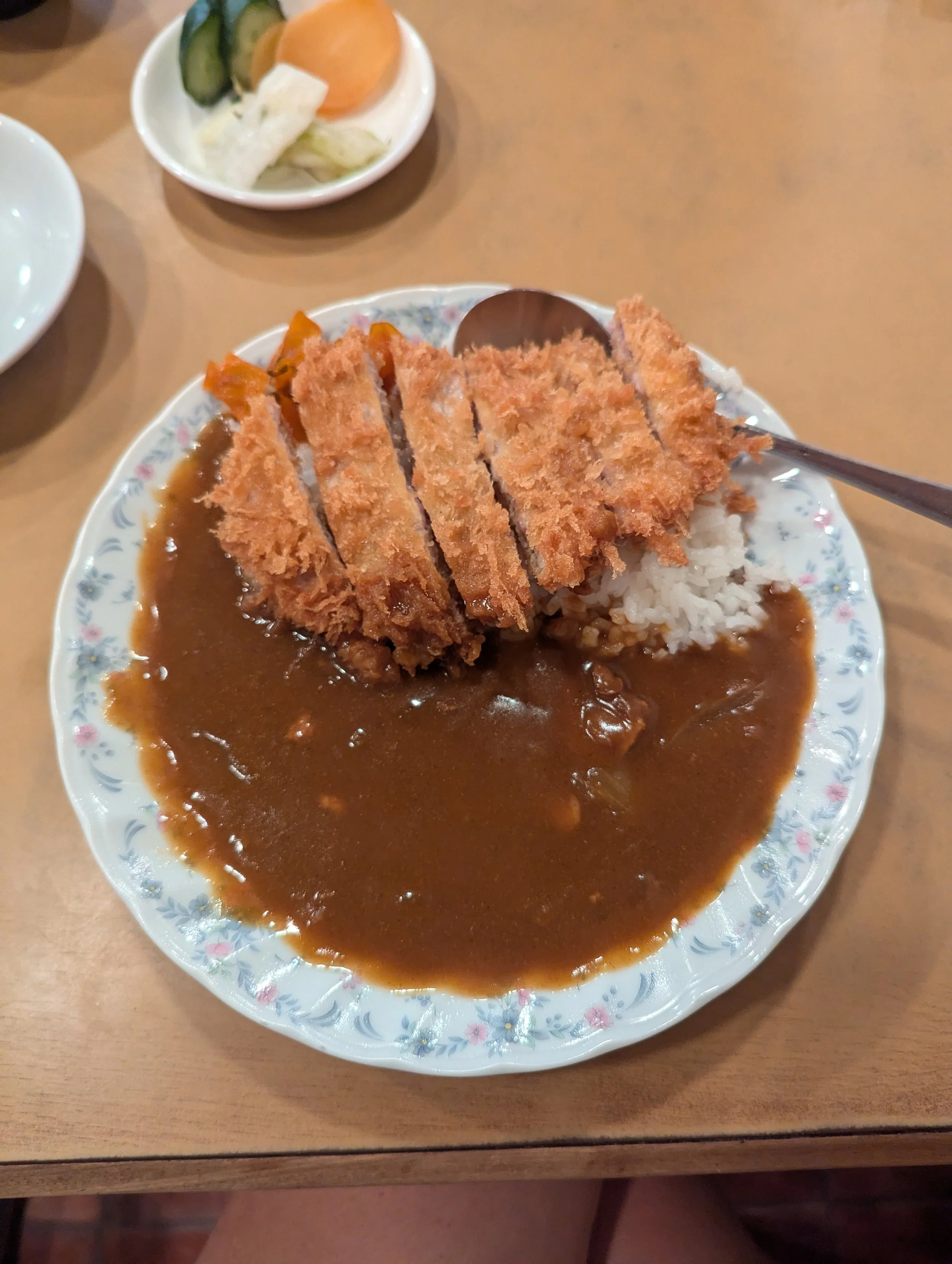
After settling in, we headed to Tonki at 5PM for some katsu. We hadn’t had a plan for what to do for our first meal, but katsu was calling me, and Google Maps told us that this restaurant was nearby and well-reviewed. This cozy, downstairs restaurant—staffed by just four people—had a welcoming atmosphere with three tables and bar seating. I ordered the katsu curry, while Kevin opted for the special cutlet bowl with egg, rice, miso soup, and pickles. The meal was both hearty and delicious, and the restaurant’s proximity—just a block from our hotel—made it even better.
It was still early when we finished dinner, so we browsed Google Maps and discovered that the Uniqlo flagship store was located just two blocks from our hotel - three blocks from the restaurant. We wandered over to the 12-floor store - it felt like something we had to do, even though we don’t really shop at Uniqlo. Despite being narrow and crowded because of its popularity, the store offered unique features like custom printing services, a flower shop, and a coffee shop.
We returned to the hotel around 6:15PM to enjoy our complimentary refreshment drink at Namiki667 before calling it a night. I ordered something called a Lemon Smash, which I hadn’t heard of before, but later in the trip saw more and more. By 7PM, we were in bed, ready to recharge for the adventures ahead. Our first day in Tokyo was a mix of navigating transit, settling into our hotel, and savoring local experiences—a promising start to our journey.
Day 2 - October 18: Tokyo
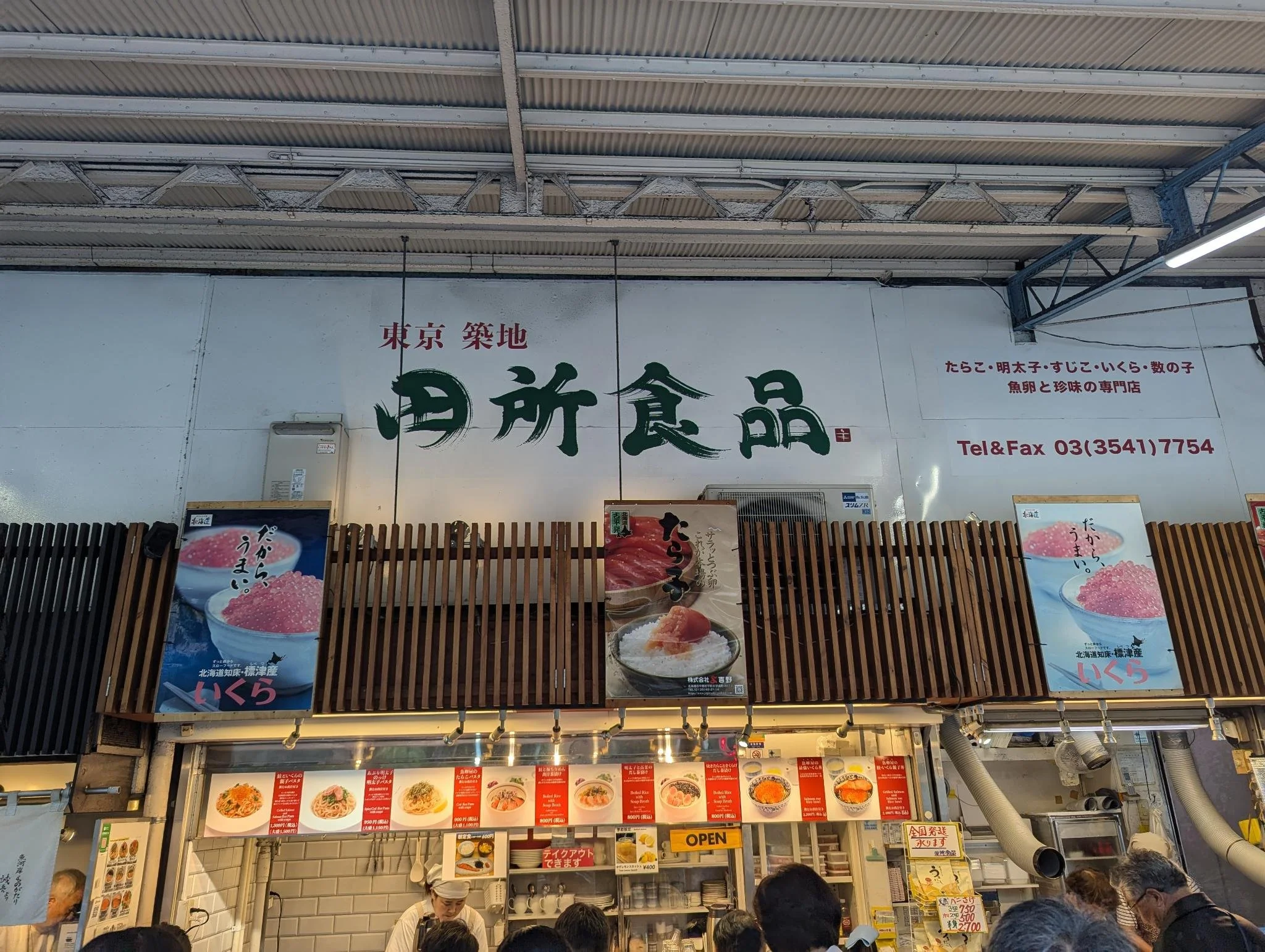
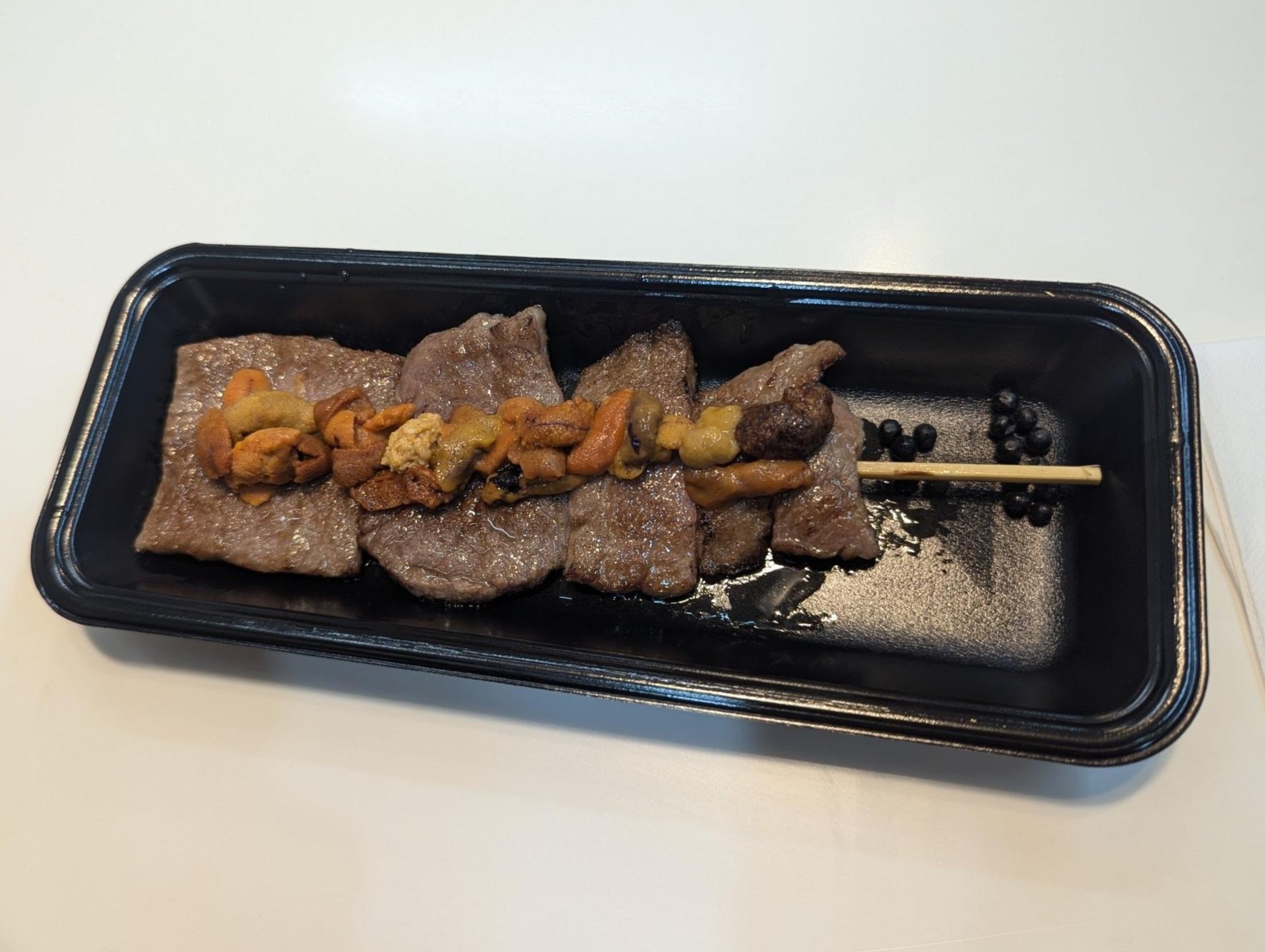
We always wake up early in Japan - half due to jetlag (despite our best efforts) and half due to the excitement of being in Japan and wanting to make the most of our time. We left our hotel at 7:10AM and walked to Tsukiji market for breakfast. We had ikuradon at Tadokoro Shokuhin, a stall with a few bar seats, made by adorable Japanese grandmas, and then we returned to Wagyu Jyu Jyu, right around the corner, which we visited last time as well. We had a yaki-wagyu skewer with uni on top, and we tried salted peppercorns which complemented the richness of the beef perfectly.

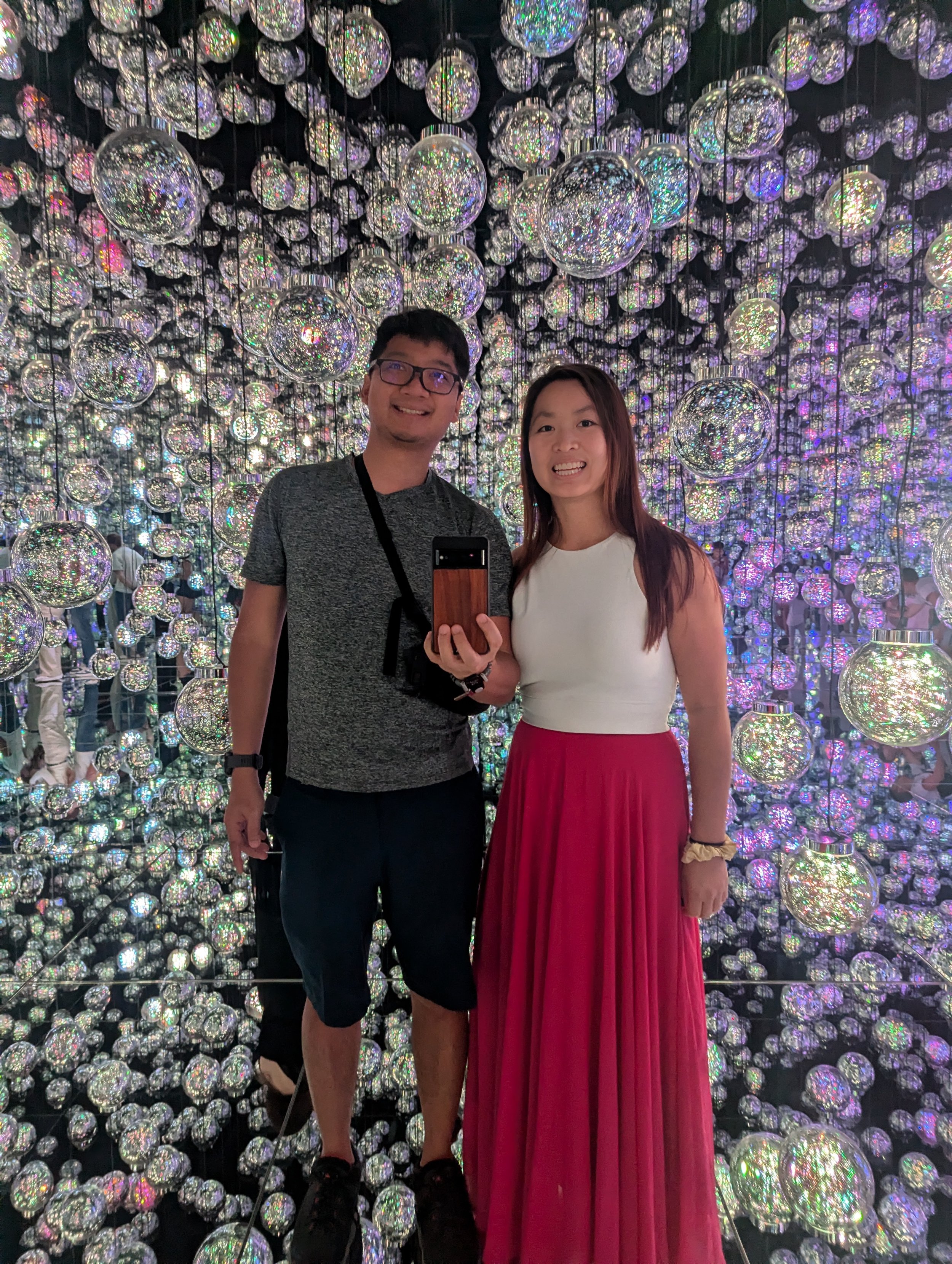
From Tsukiji, we took the subway to Kamiyacho Station. The station connects to teamlabs Borderless at Garden Plaza B. We spent the morning immersed in the mesmerizing digital art at teamlabs Borderless from 9-11:30AM. When we had visited Tokyo the year prior, we visited teamlabs Planets, but Borderless wasn’t open at the time. teamlabs Borderless was one of our priorities for this trip and we are thrilled we made it work. Tickets must be reserved in advance, and we aimed to get early entry for several reasons. First, we knew we would be awake early and would want to get a jumpstart into our day. Second, the earlier you get entry into teamlabs, the more time you’ll have to explore before the crowds come. There is timed entry, but you can stay for as long as you like. By the time 11AM rolled around, there were so many people that it was no longer enjoyable for us. One of the neat aspects of teamlabs Borderless is that the exhibits change with time. You can go back to the same room twice and have a completely different exhibit and experience. Certain rooms are fixed - the ones that were the highlights for me - like the Crystal room and Microcosms. One room was an interactive fish tank. I believe it was intended for children, but there were plenty of adults in line too. We got in line and waited just a short time, to make our own custom “fish” that gets introduced into the fish tank and swims around the room. From start to finish, the fish tank activity took about half an hour, including waiting in line.
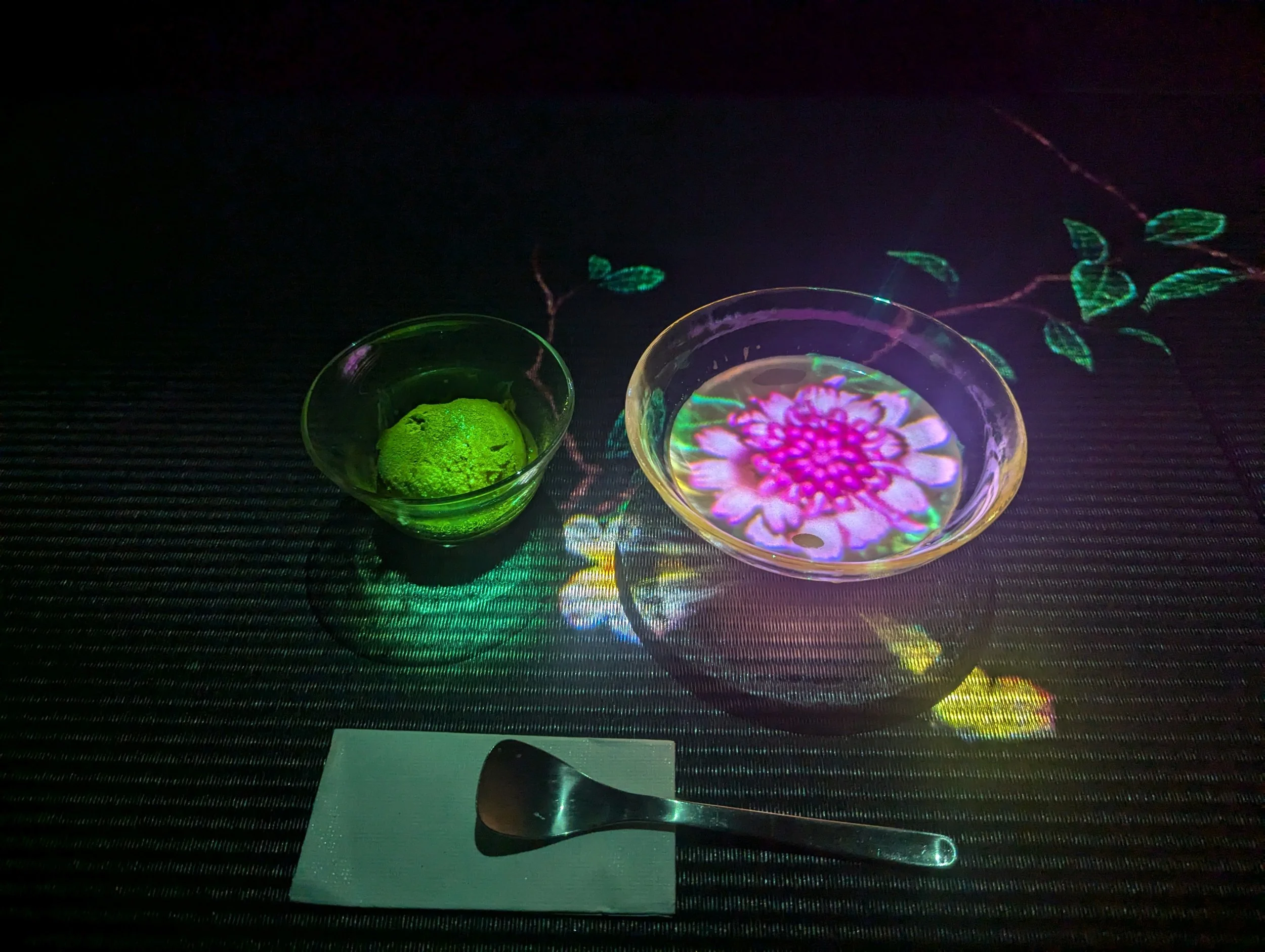
My favorite part of teamlabs was the tea room. It is in the middle of the art museum - you have to intentionally look for it and it pretty well hidden until you stumble upon it. You order at the desk - options of different teas both hot and cold, and ice cream. The staff hands you little containers of tea leaves and someone brings you into the tea room, past the curtain. The tea room is dark - it takes a second for your eyes to adjust - and quiet. Once seated, your server takes your tea leaves and brings your order. I think the different tea leaves designate what you ordered, not that they brew those exact leaves. There are art projections from the ceiling that track the movement of your glassware and flowers bloom in your teacup. The entire experience was very neat - I ordered the matcha coconut gelato and cold brew yuzu green tea and Kevin ordered yuzu matcha gelato and a hot roasted green tea chamomile rice milk latte. Both gelatos were superb, but Kevin’s tea stole the show. Each pair (gelato + tea) was 1300 yen.
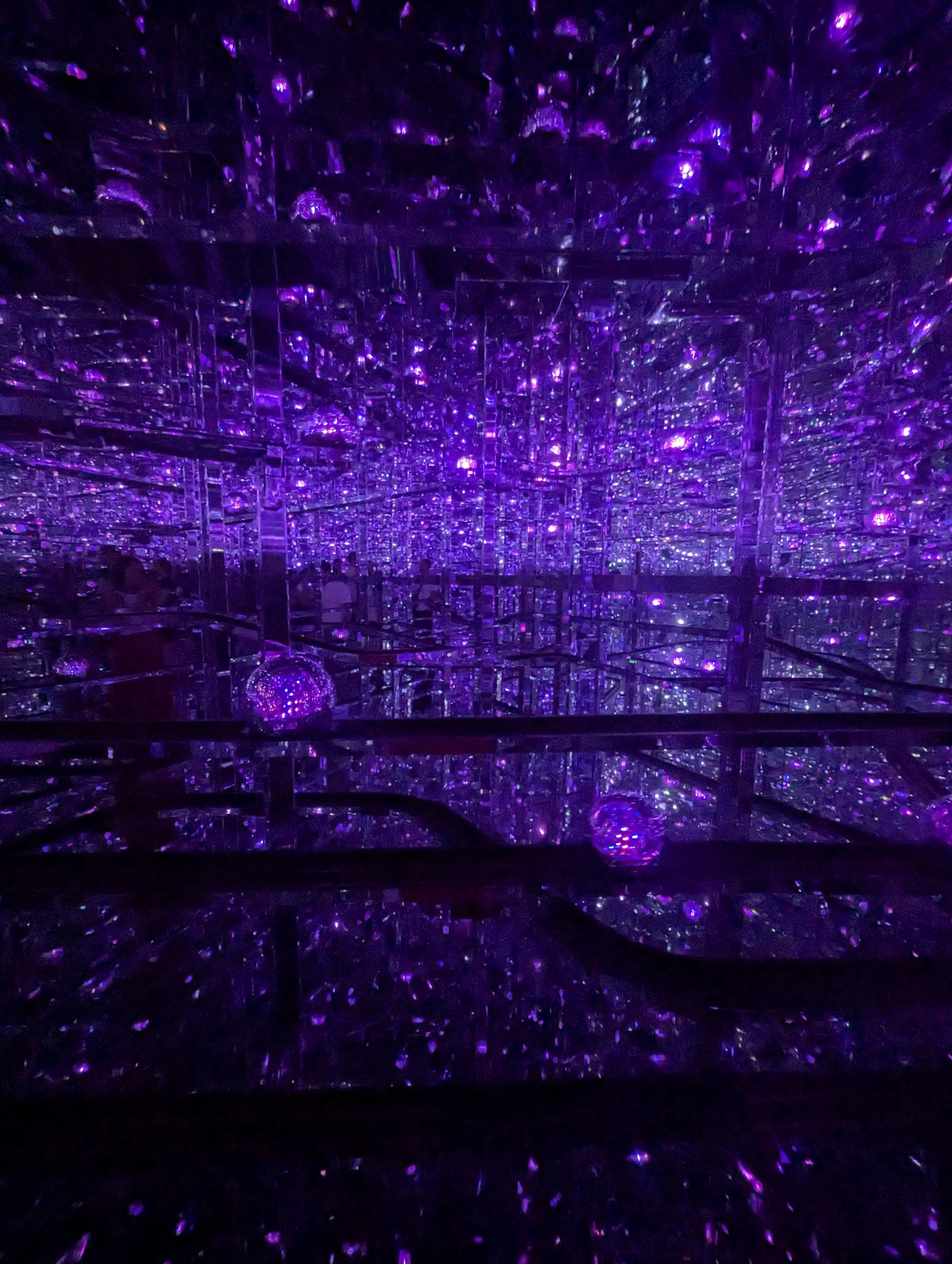
We decided to order a tote bag with our custom fish as a souvenir, and also because we didn’t bring an every day bag with us. We ordered the tote bag online, and it is printed and ready for pick up within half an hour outside of teamlabs, but still in Azabudai Hills, at the Sketch Factory.
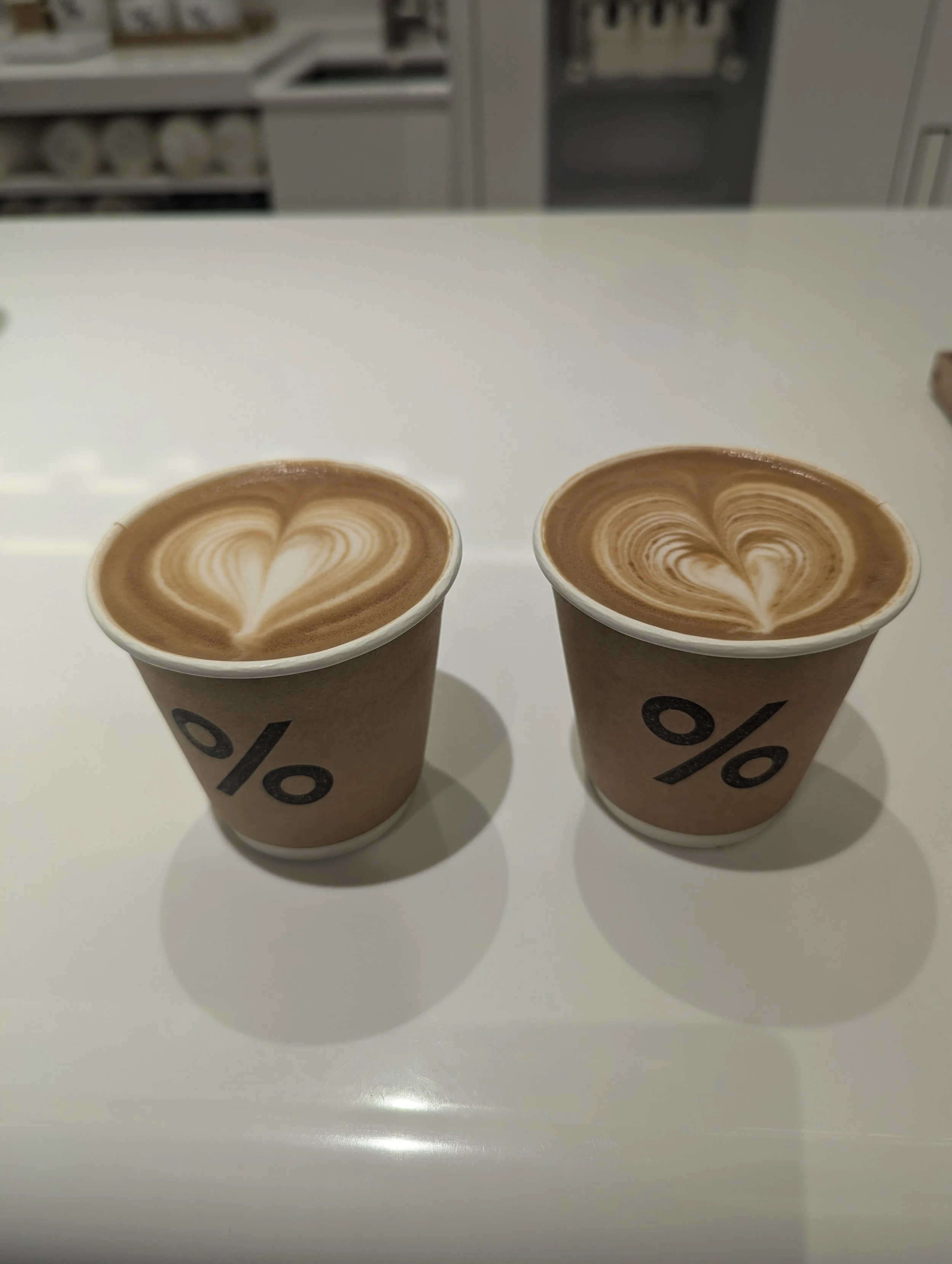
After we left teamlabs, we grabbed a cup of coffee from % and enjoyed a relaxing stroll around the complex. There was a tasteful tea shop that we enjoyed samples of a variety of types of tea. We picked up our tote from the Sketch Factory item at 11:50AM and continued exploring.

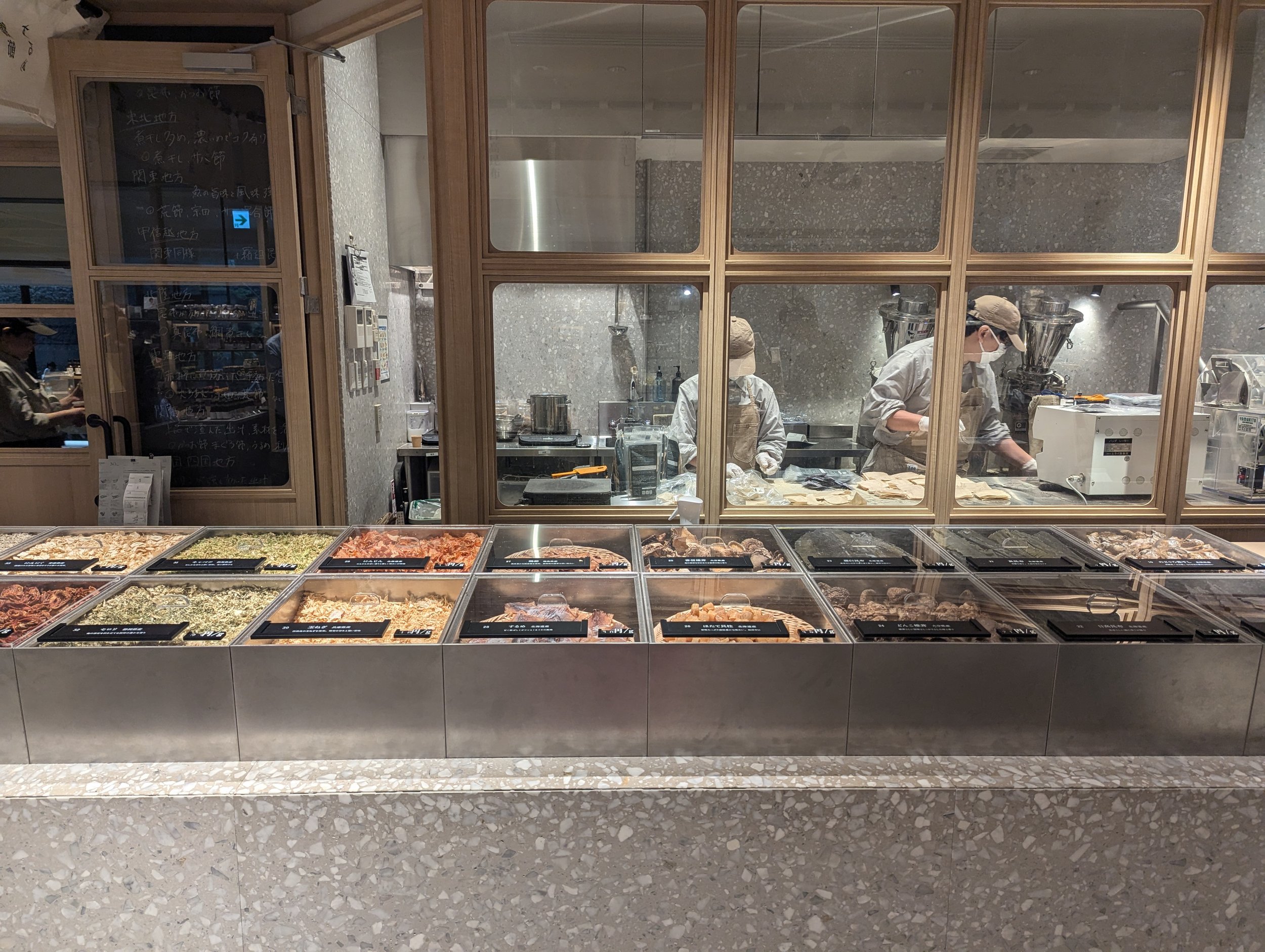
We found ourselves at the Azabudai Hills Market at Garden Plaza C, B1 (Central Walk), which is accessible via the escalators right outside of teamlabs. The market is like a mini grocery store with an elevated feel, and has plenty of stalls selling prepared food as well. For our lunch/snack, we indulged in gyoza (six dumplings for ¥486) and yakitori - our first time having yakitori in Japan! we opted for the chicken cartilage (¥480), chicken thigh and green onion (¥550) and chicken skin (¥390). I also purchased a bunch of grapes (¥1,980) - fresh fruit is notoriously expensive in Japan, BUT also equally known to be the best fruit you will ever eat. It looks perfect and tastes so juicy and sweet.
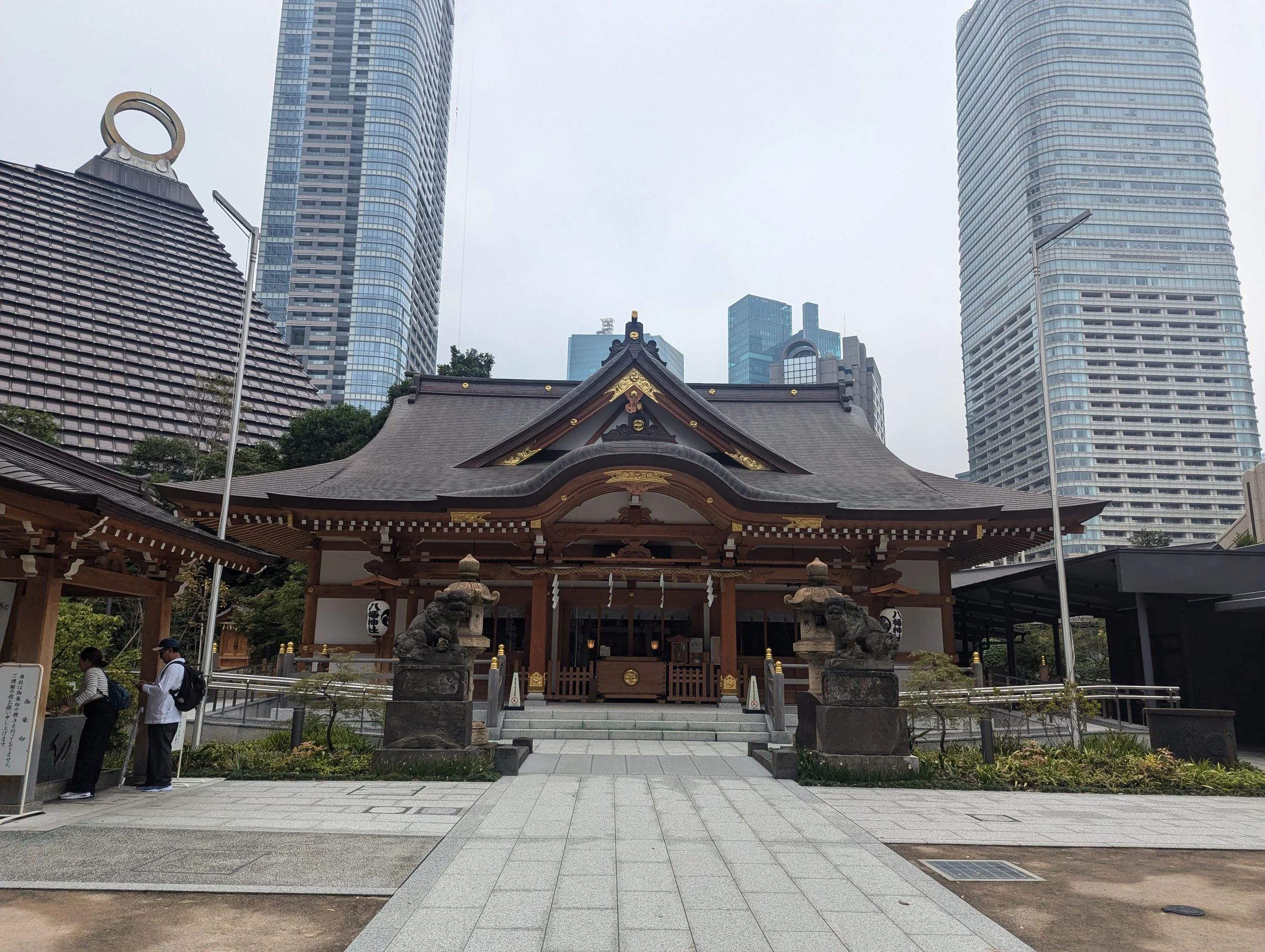
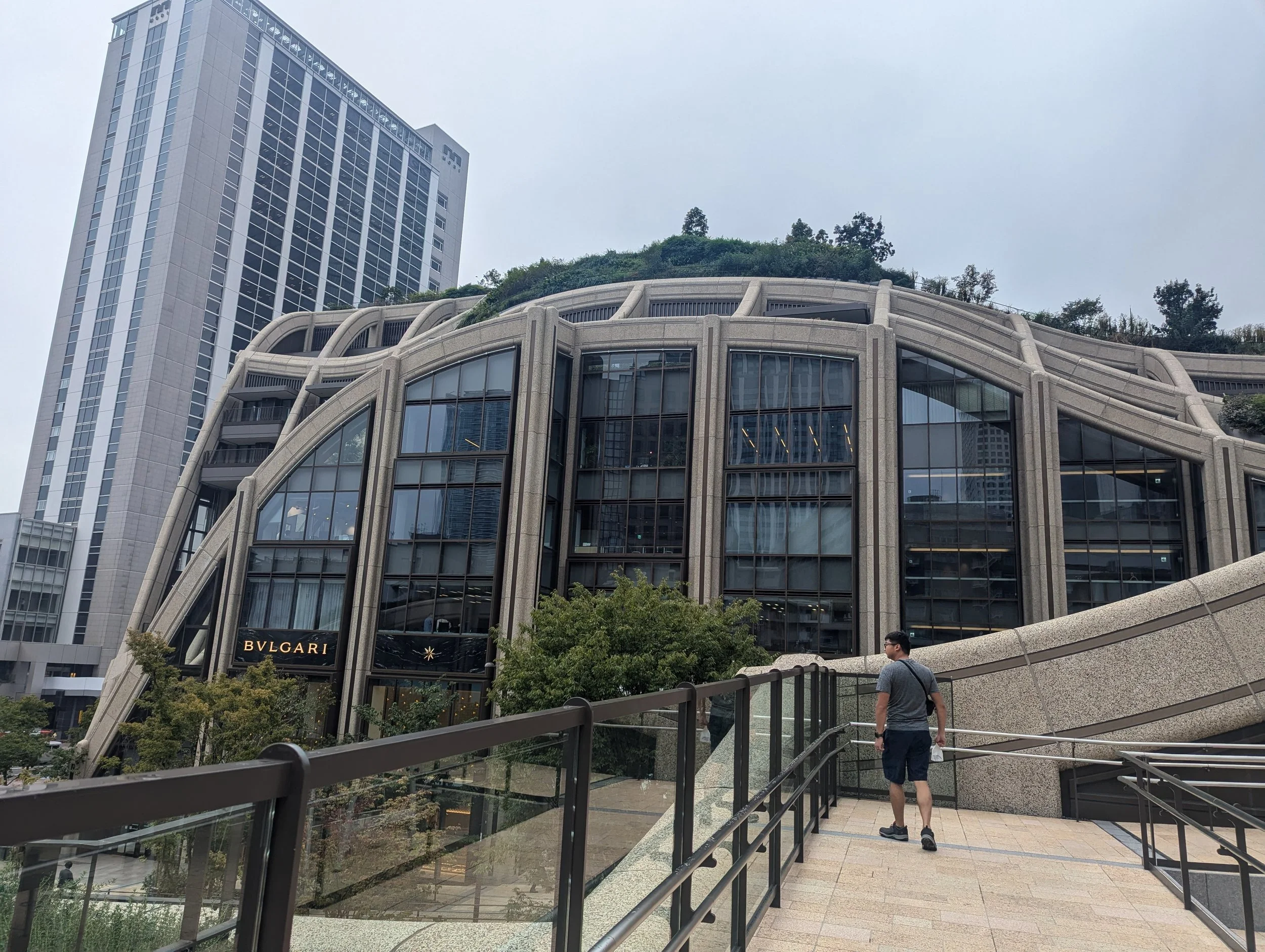
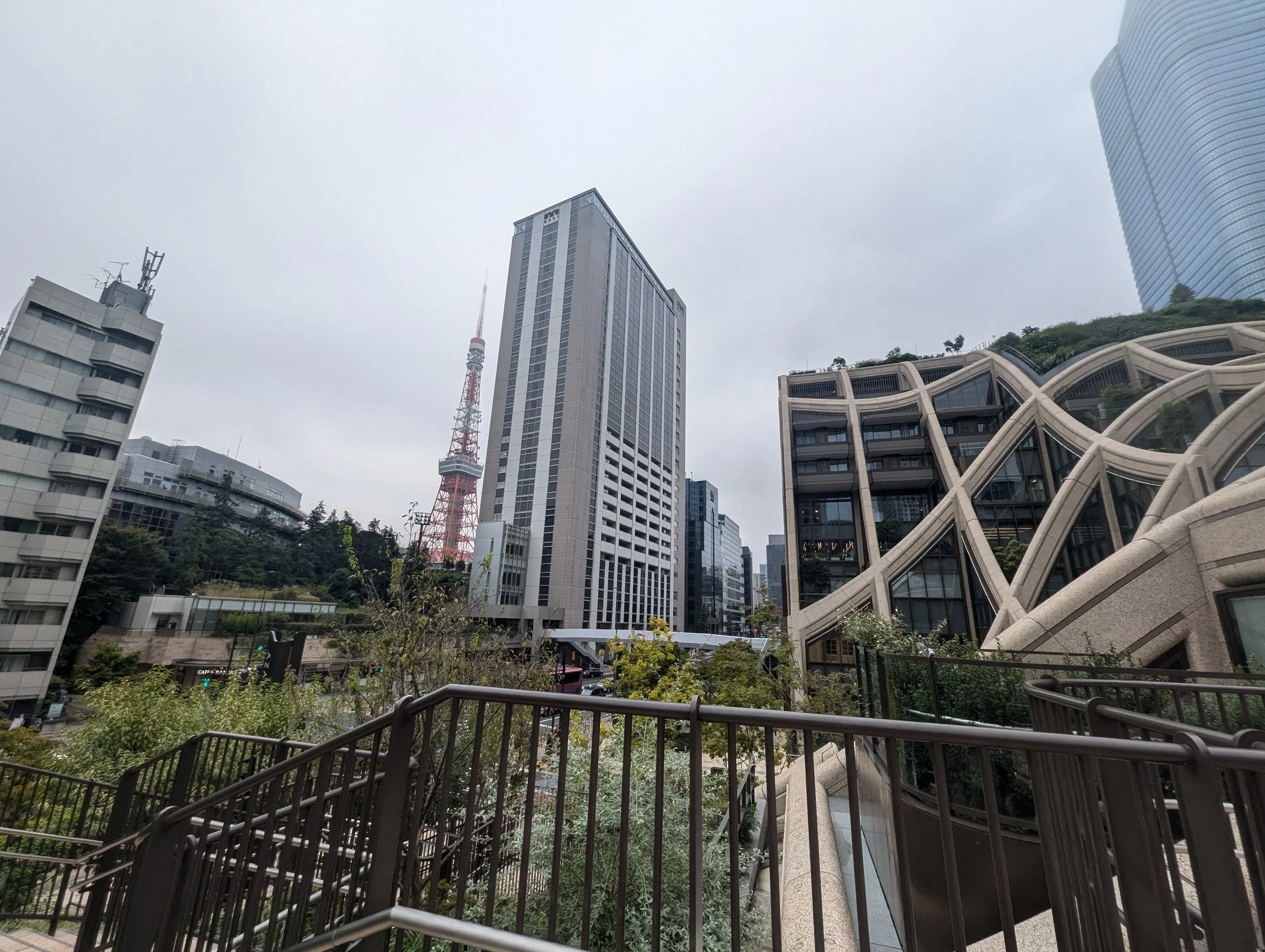
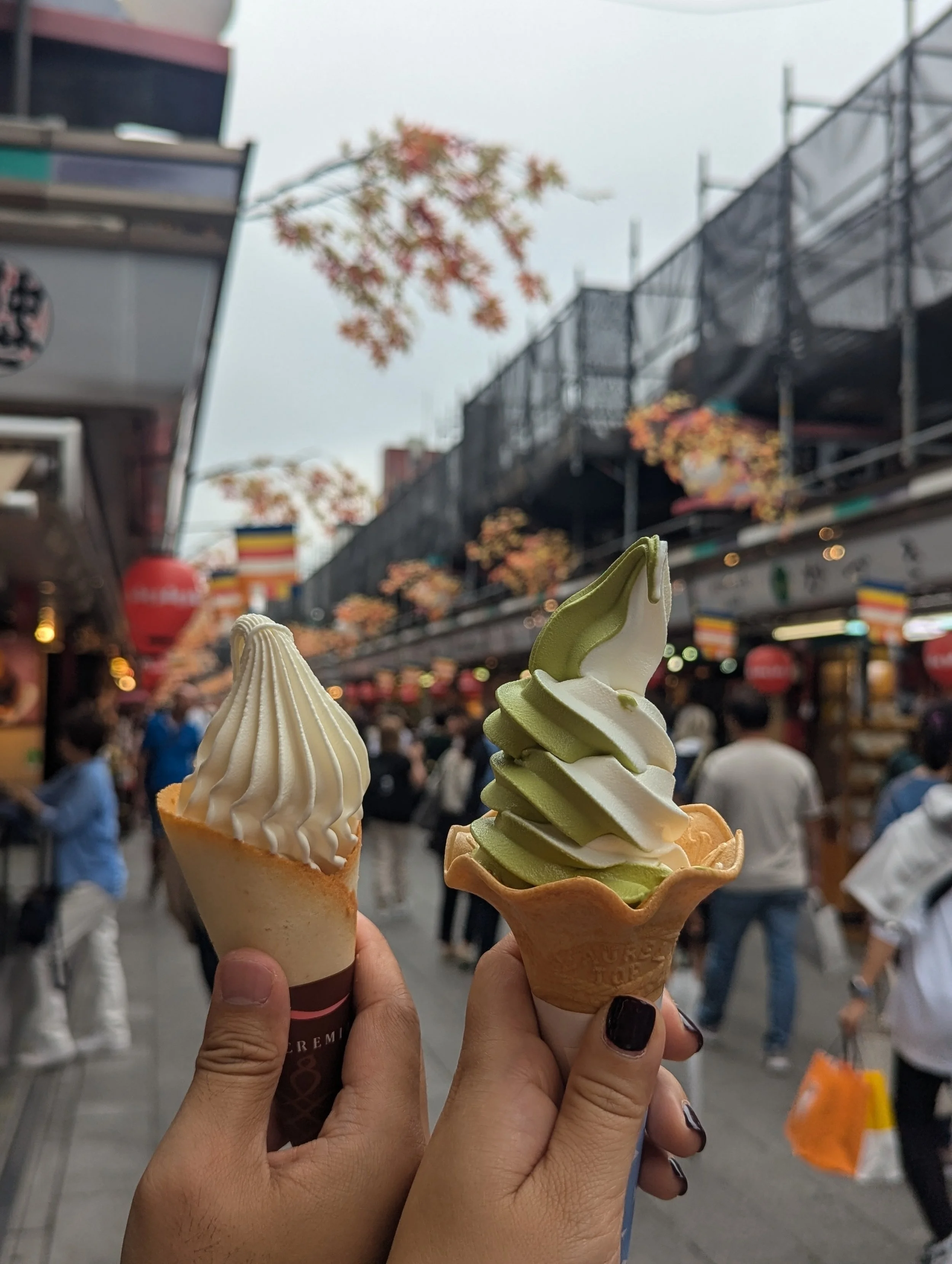
After refueling, we visited the Manga Heritage Museum before taking the subway to Asakusa. At Asakusa, treated ourselves to Cremia ice cream and browsed JINS for eyewear. Purchasing eyeglasses in Japan is something we’ve heard about several times but never did. We are so glad we did it this time! All you need is your prescription (or a photo of it). It took about an hour start to finish (including finding your frames to when you leave with them on your face). You can leave and explore or grab a bite to eat before coming back to pick up your glasses. It is super affordable, compared to American prices. I got a pair of glasses for the equivalent of $60. The best part, though, is that the glasses actually fit on my face and my eyeballs are aligned in the center of the lenses - because by getting eyeglasses in Japan, you’re getting eyeglasses that are intentionally made for Asian people! In all the pairs of glasses I’ve worn since I got my first pair in middle school, this is my first pair of glasses that properly fits me! No more constantly pushing them up as they inevitably slide down my nose! A huge win!
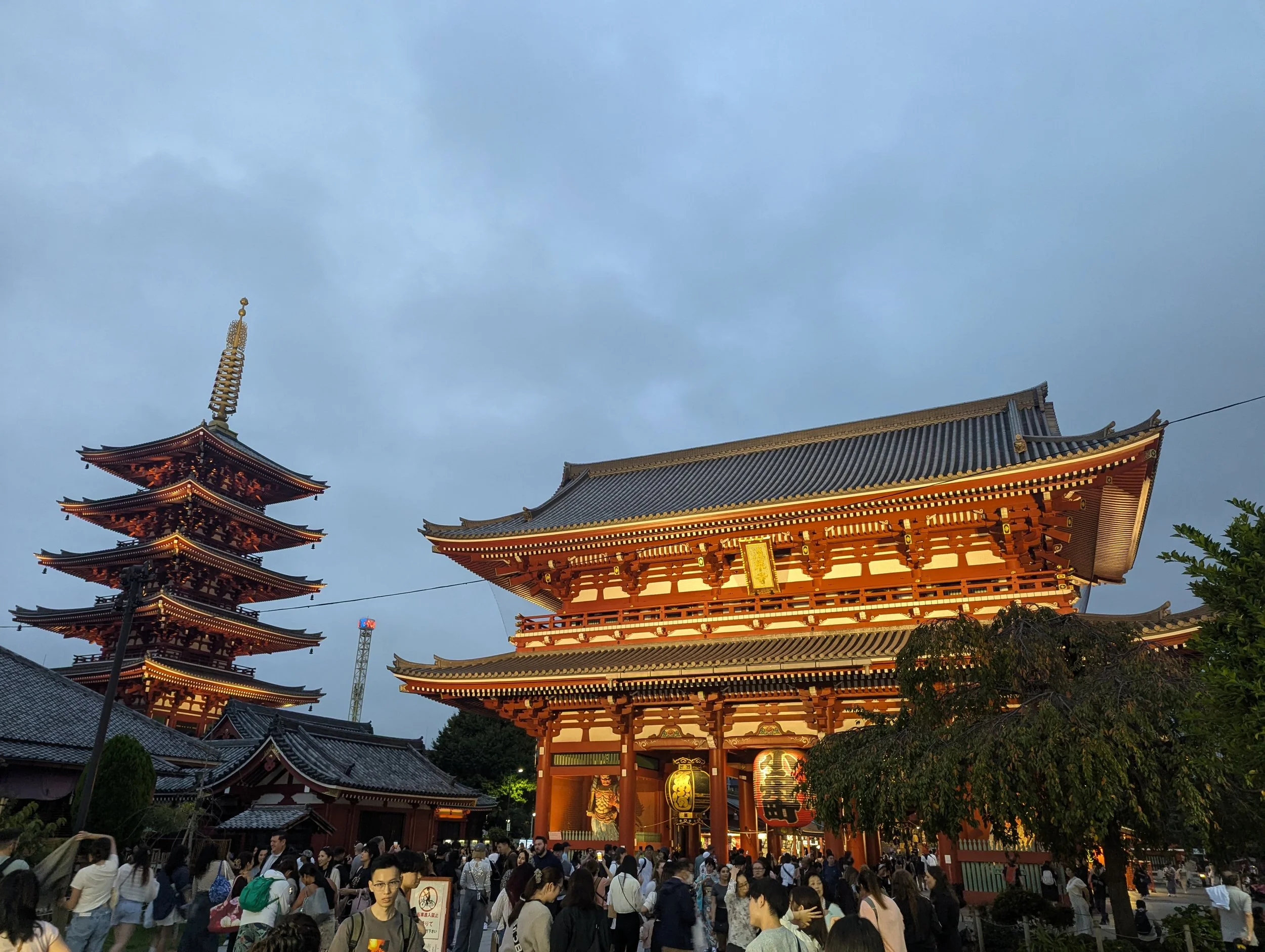
JINS was a five minute walk from Sensoji Temple. We visited Sensoji Temple and the nearby shops, even though many shops were starting to close by 4:40PM. The area was bustling with activity and Sensoji is so picturesque at dusk - any time, really, but especially as the sun sets.
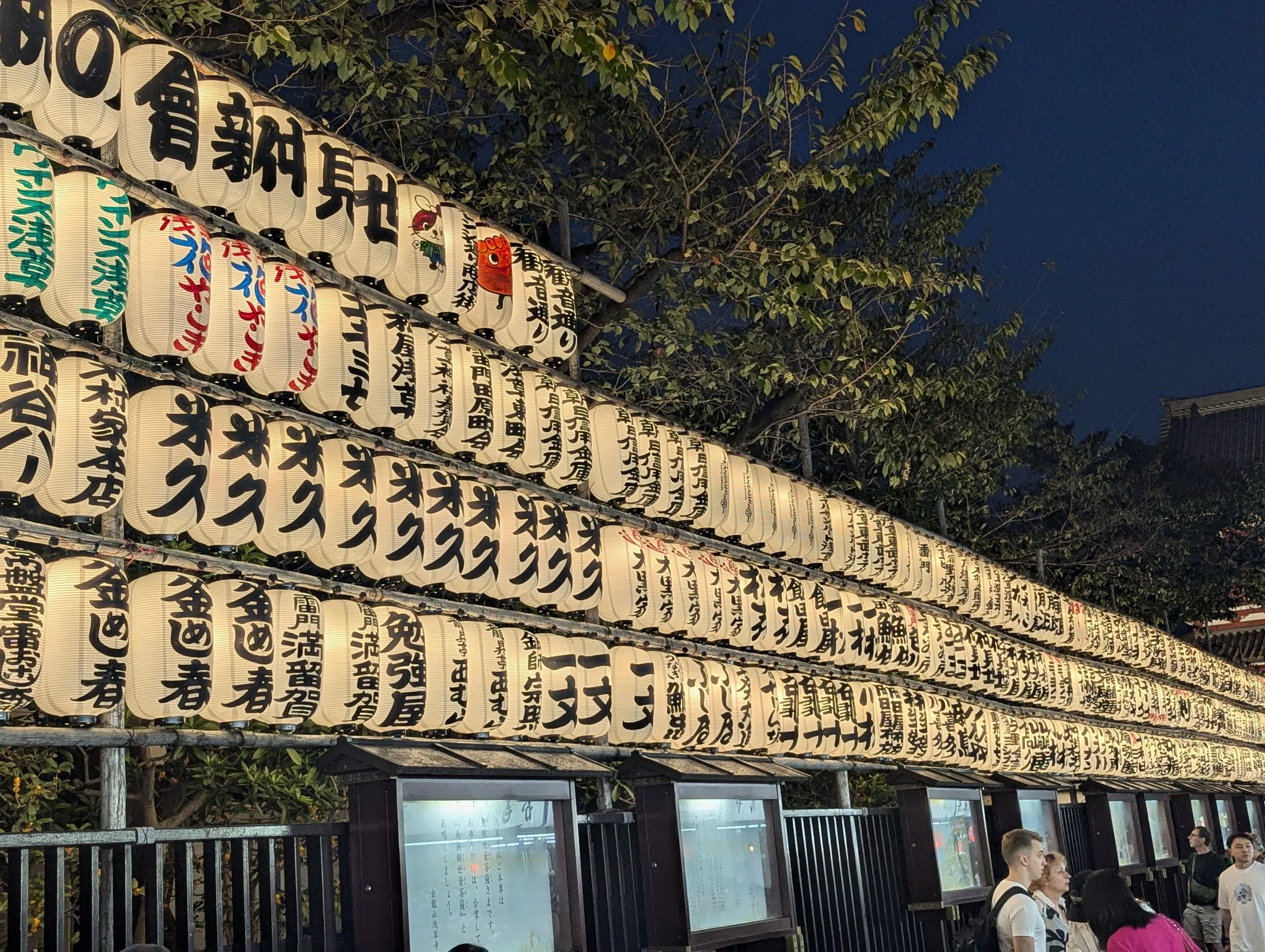
We returned to the hotel around 6PM after a 35-40 minute journey from Asakusa. We enjoyed our refreshment drink and relaxed at the bar for half an hour. The bartender’s meticulous attention to the beer-to-foam ratio, paired with jazz music, created a perfect ambiance to unwind after our busy day in Tokyo.
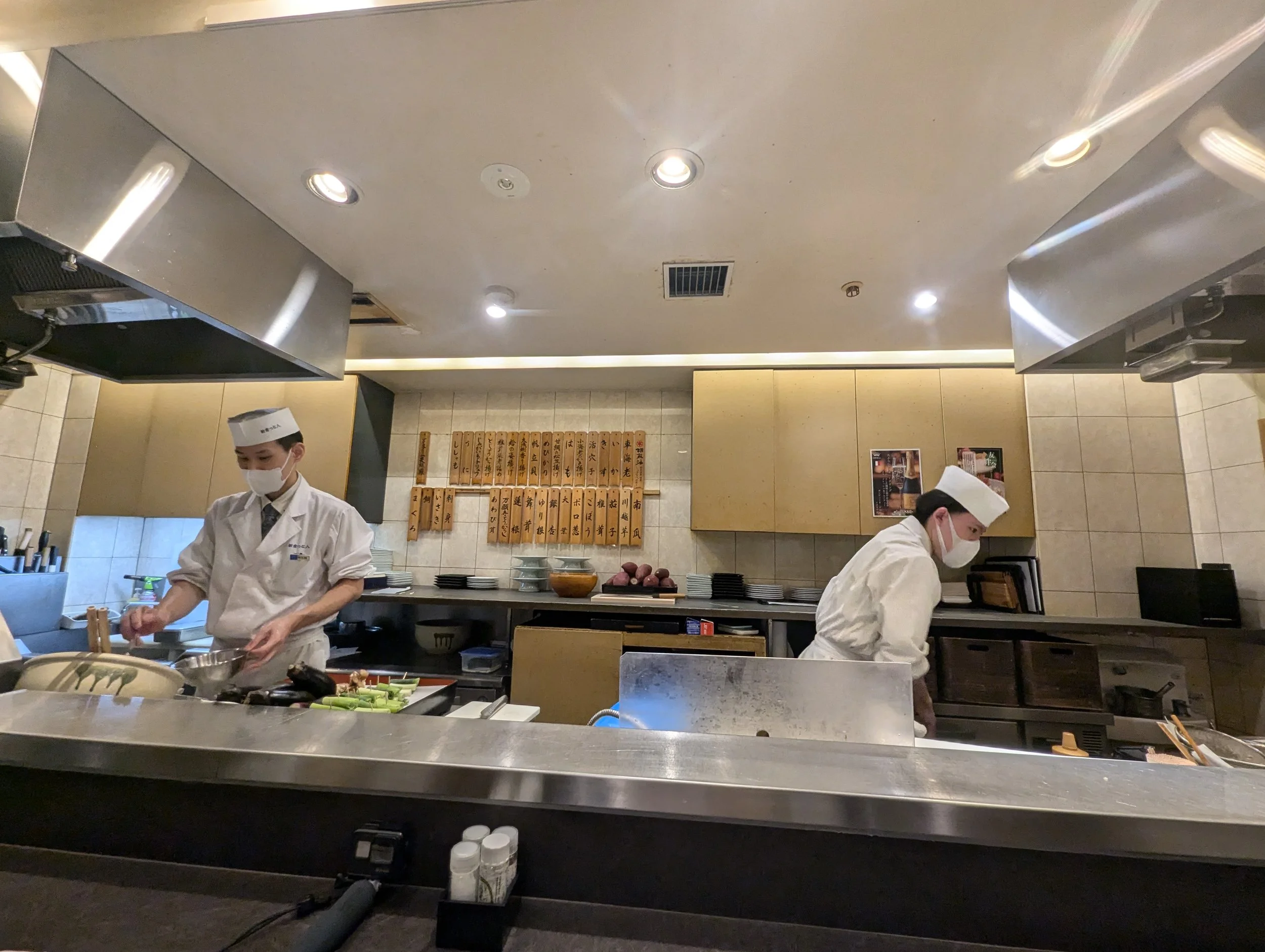
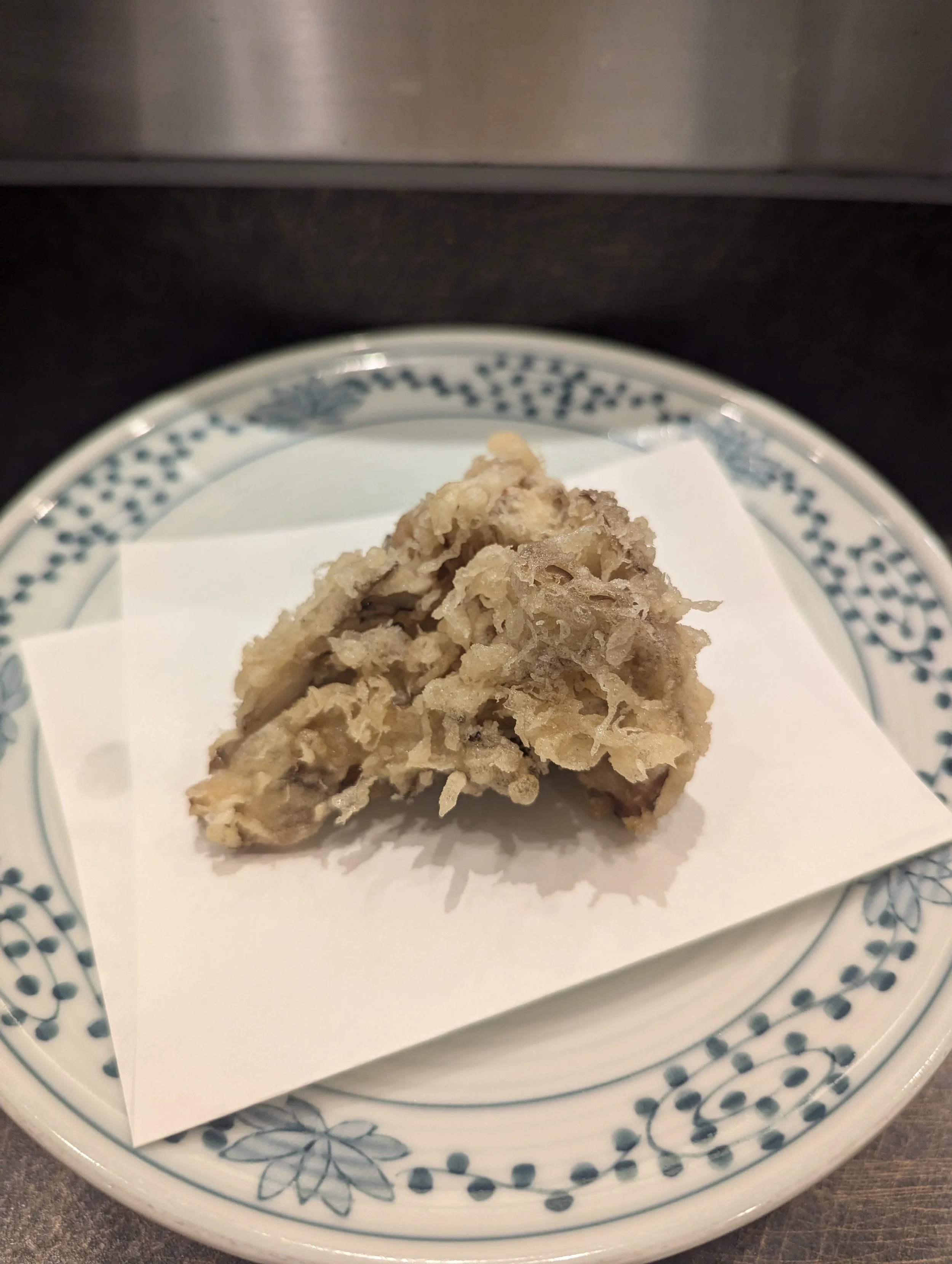
We had made reservations for 7PM at a tempura restaurant for dinner. Tsunahachi was a short 10-minute walk from our hotel. We enjoyed the 12-piece omekase set and paired it with code sake. It was more than enough food, and if I’m being honest, I was tapping out at the end because I was exhausted and jet lagged.

Day 3 - October 19: Takko and Aomori
After checking out of our hotel at 7:30AM, we arrived at Tokyo Station early, which turned out to be a good decision given the morning crowds. We searched for a matcha latte or coffee at vending machines and 7-Eleven but had no luck.
Our journey took us to Platform 22, where we navigated the Shinkansen ticket system by feeding both the Shinkansen tickets and IC card into the gates, since we entered the station using our Suica cards. At Hachinohe Station, we exited without getting our tickets back.
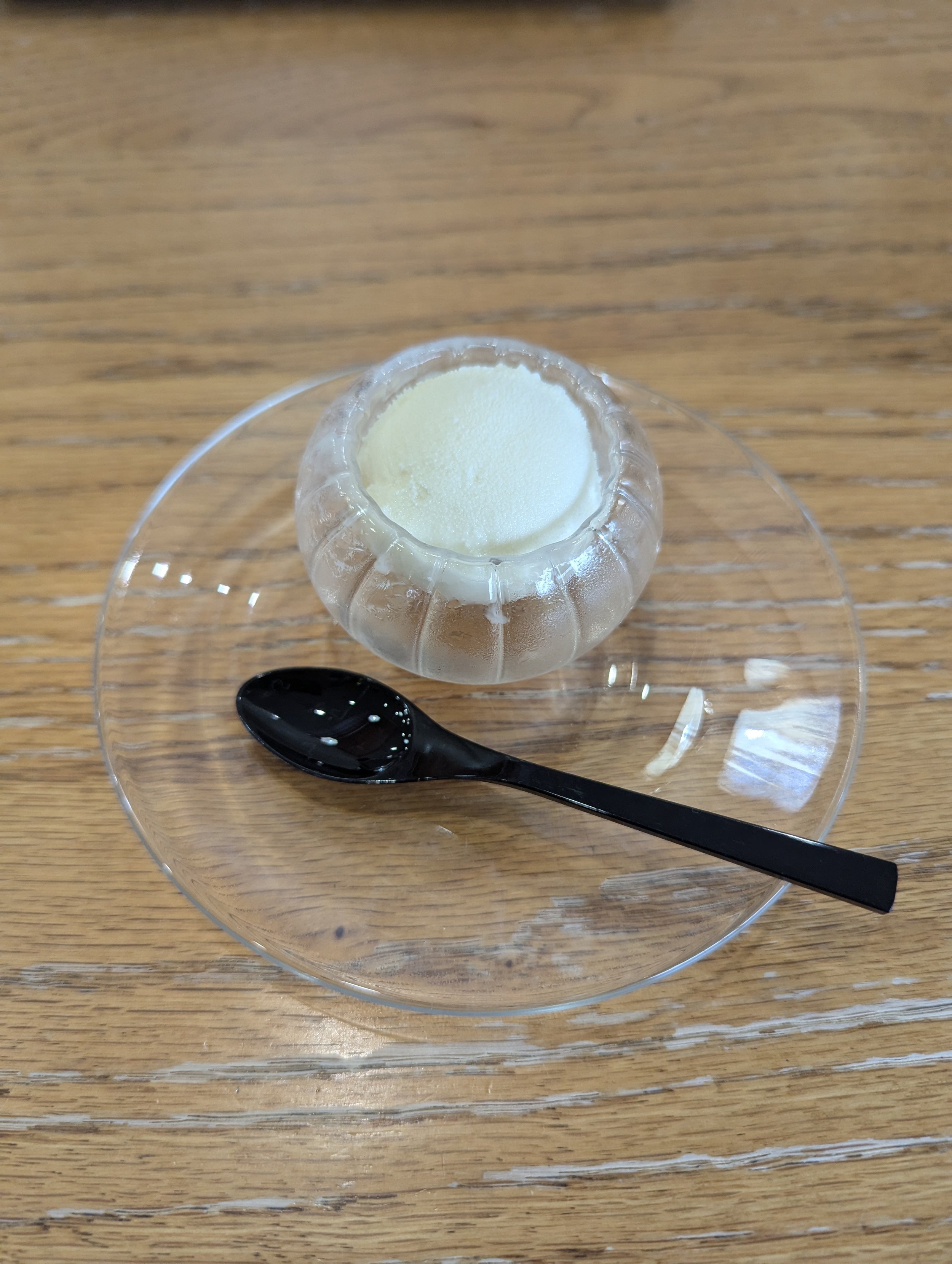
One of the highlights we were excited about is this small town, kind of in the middle of nowhere, Takko, which is known as the Garlic Center - everything is garlic theme. Even though it was quite a detour, it was something we really wanted to visit. We picked up our rental car and left Hachinohe around noon, arriving at the Takko Garlic Center at 1PM - just in time for lunch! We each ordered the steak lunch (¥1,800) - they only have a limited number each day and we were lucky enough to each have one! The steak lunch came with our own personal grill, a number of side dishes featuring garlic, as well as steak, pork and chicken to grill ourselves and pair with different sauces. Between the two of us, we also ordered a garlic soda, garlic milk tea, dumplings, pork bun and garlic ice cream. The garlic soda initially tastes like Coke but with fewer bubbles and a garlicky aftertaste. The garlic milk tea was similar to the soda in that the garlic flavor emerged subtly after the first sip. In general, we both felt that everything needed more garlic flavor. The side dishes of the steak lunch had barely perceptible garlickiness. The star of the meal was the garlic ice cream - it sounds like such an odd combination but they executed it really well to create the perfect roasted garlic sweetness that really sets it apart from any other item on the menu.


The Garlic Center also featured a small gift shop selling garlic-inspired foods and snacks. We picked up some garlic senbei and garlic jam. We continued on our journey at 2:15PM, fully satisfied with our garlicky adventure. There isn’t too much to do in Takko the town itself. We thought it was a worthwhile detour and are happy we did it, but not sure if we would do it again - especially if we are able to replicate the garlic ice cream ourselves!
The next leg of our adventure is in Aomori, the northern most tip of Honshu, and known for apples and an annual nebuta festival. We learned about an apple-themed ryokan and booked our stay at Aomoriya. It has an older feel, less traditional, but it is so fun because it really embraces the theme. All around the property are nebuta (paper mache lanterns that are made into floats for the festival), apples and apple-shaped nebuta.
We checked into Aomoriya shortly after 3:30PM (check in starts at 3PM, and with any ryokan, we always try to check in as early as possible to make the most of our time there). By the time we settled into our room, it was nearly 4PM. The Michinoku Matsuriya show started at 4:30PM, requiring registration at least 30 minutes prior. Luckily, we secured seats just in time. The show was entirely in Japanese but incredibly impressive, showcasing history, artistry, musicality, and perfect synchronization. It was performed by hotel staff, including the young man who helped with our bags when we arrived. The performance ended at 5:30PM. Afterward, guests were invited to try on hats, dance, and take photos on stage with the nebuta—a fun and engaging way to conclude the show.


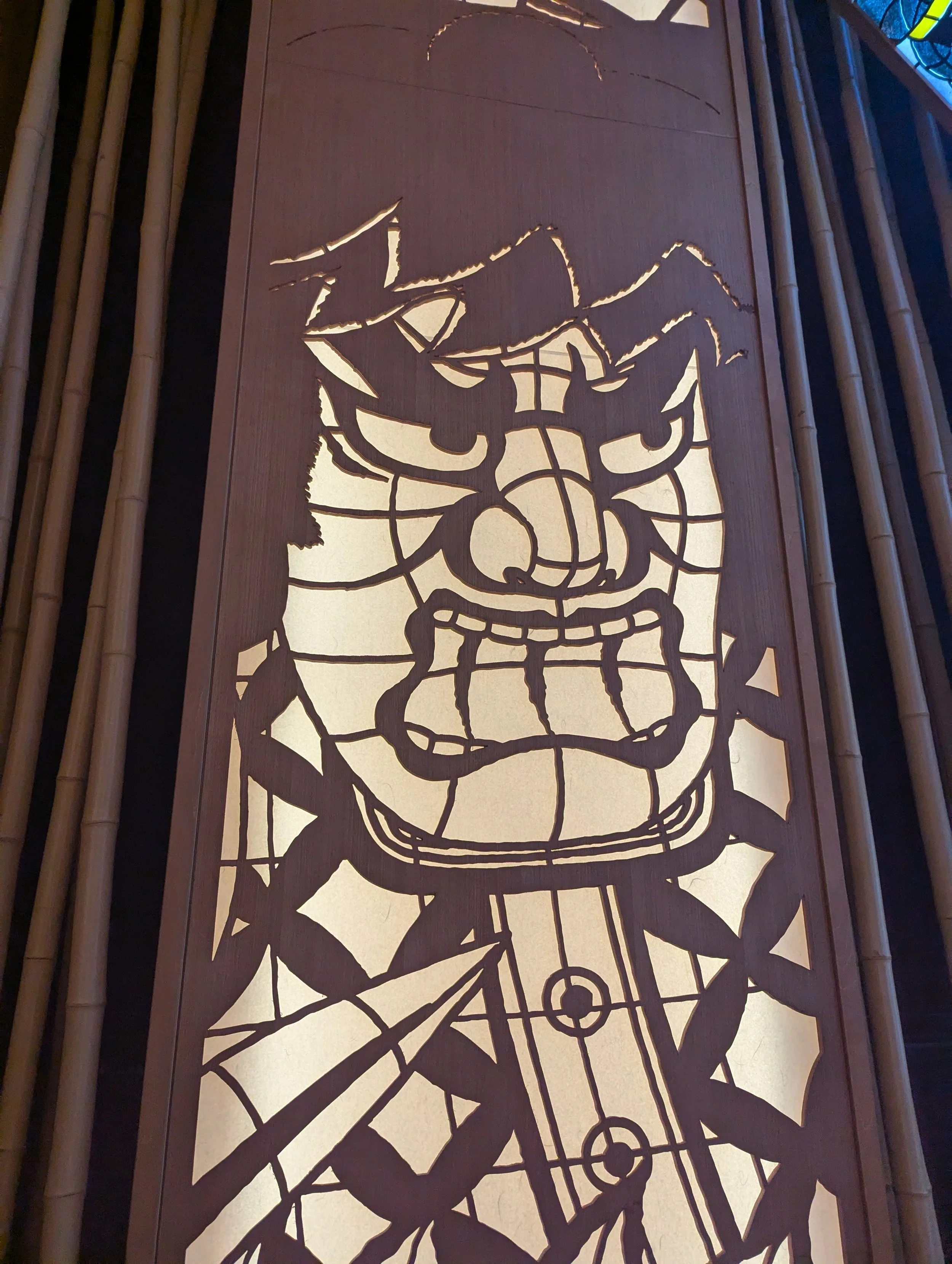
Aomoriya’s unique amenities include an apple cider tap available from 3-8PM. We browsed the hotel shop before heading back to our room to shower and relax in our in-room onsen. It was a rejuvenating experience, especially after a long day of travel and exploration.
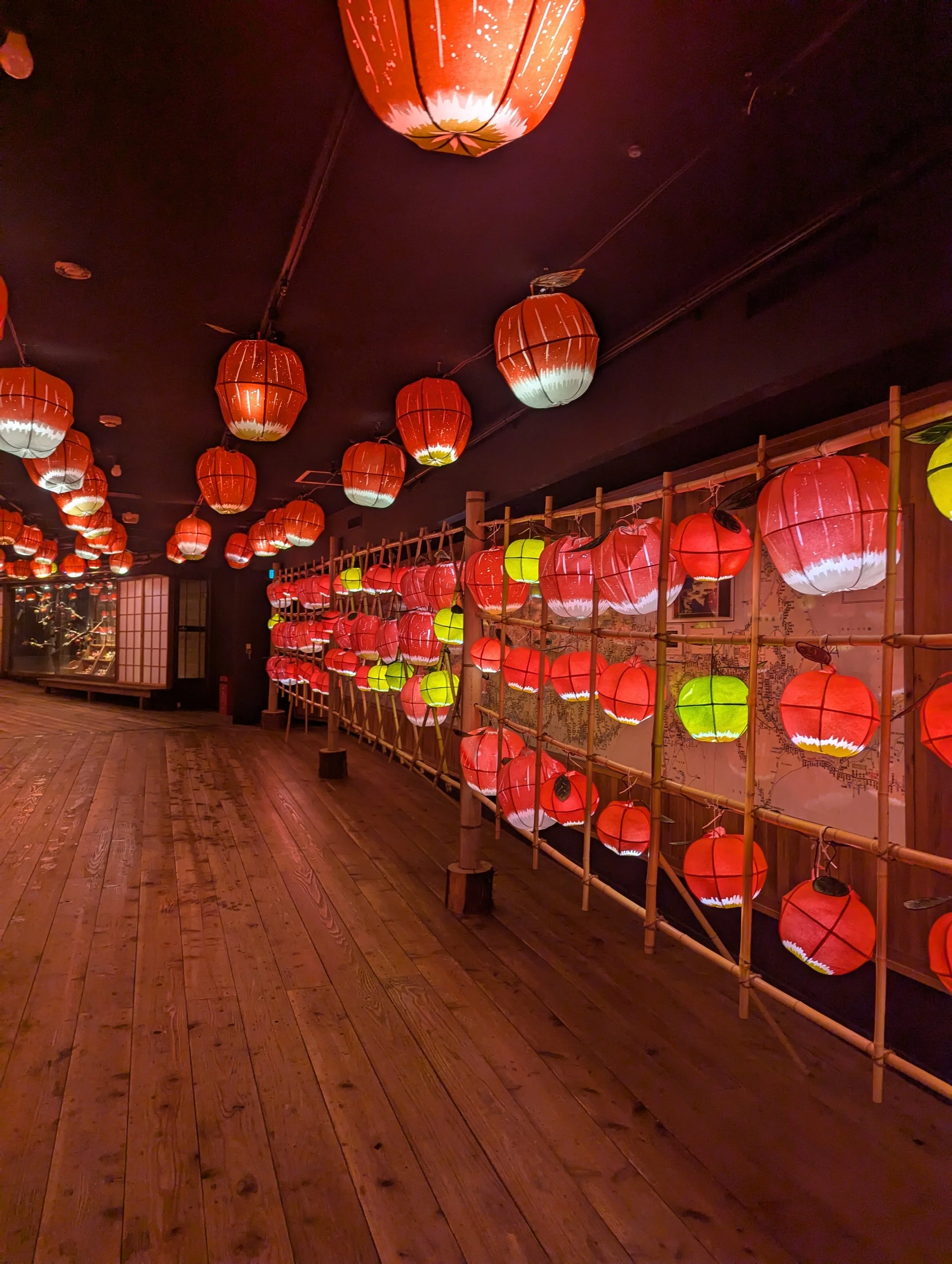

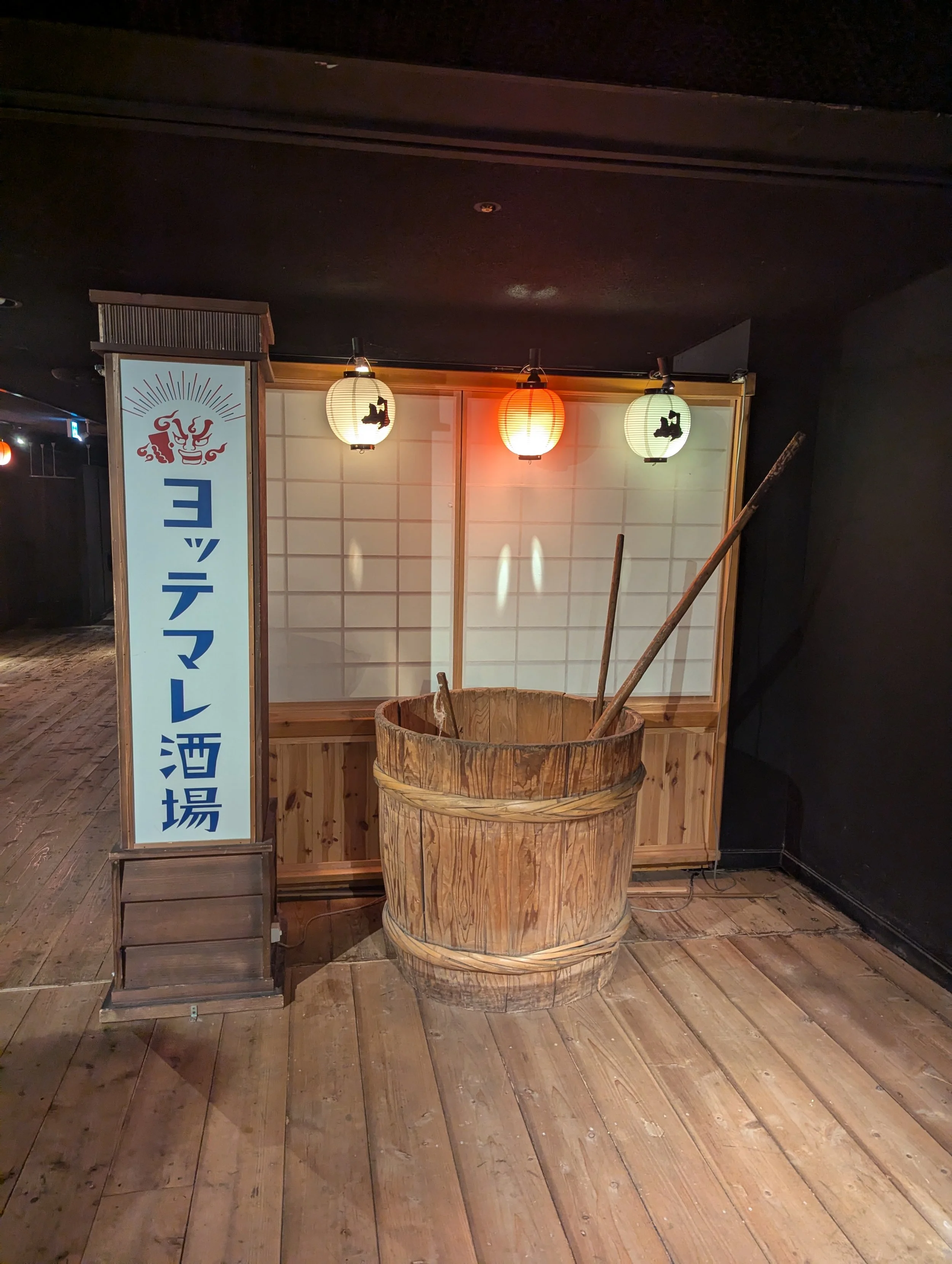
With half an hour before dinner, we returned to the shop to make a few purchases. Dinner was at 7:30PM, buffet style with a huge variety of foods. On our way, we encountered a young American couple who turned out to be from the nearby base. They’d been living in Japan for six months and shared that they got engaged in Sapporo eight years ago. Most of the other guests at the hotel were Japanese, and while some staff spoke English, it wasn’t as fluent as in larger cities—understandable for a more rural area.
After dinner, we returned to our room, winding down and preparing for bed. Lights were out by 9:00 PM, marking the end of a day filled with unique flavors and cultural experiences.

Day 4 - October 20: Aomori to Hakodate
Our day began at 4AM when we woke up and couldn’t fall back asleep. Instead of fighting the jetlag, we embraced it. We decided to visit the public onsen as soon as it opened at 5AM, hoping to beat the crowds. Japanese onsen are an experience like no other. It can feel uncomfortable and awkward at first, but I promise, it is worth it! Onsen are hot springs filled with mineral-rich water that is often heated by geothermal features. It is relaxing and great for your skin and soul. It is imperative that you follow proper etiquette and respect the culture. First, you must be completely naked. Public baths are separated by men and women for this reason. When you enter the onsen, there will be an area with lockers to store your clothing and belongings. In this area, there is usually an area with vanities to blow dry your hair and apply make up when you are finished bathing. Many public baths (and perhaps some private ones as well) prohibit tattoos. Next, you must shower before entering the bath so that the water remains clean. There are shower stations after the locker area for this purpose. Most onsen provide towels, and you must be careful not to let your towel touch the water when you enter the onsen. Lastly, for obvious reasons, cell phones are not allowed.
After a quick shower, I soaked in the (very hot) indoor bath before moving to the outdoor bath. The outdoor bath was cooler, chilled by the ambient air, and for me it was the perfect temperature. Almost continuous with the bath is a lake or pond, offering a serene atmosphere. It was 45 degrees outside, and I could see my breath. The sun hadn’t risen yet, but the surrounding trees, adorned in fall colors and softly illuminated, alongside a gentle waterfall on the far side of the pond. It is such a peaceful way to spend the morning as the sun is rising. I did a quick cold plunge before getting dressed. By the time I left the onsen at 5:45, there were 13 other women inside (counted by their shoes), and the sunrise followed at 5:51AM.
We returned to our room before 6AM, hoping to be able to change our breakfast reservation to an earlier time slot. Instead, we noticed an option for a 6:10AM shuttle to another onsen on the property. We leisurely headed to the Iori Lounge and took the shuttle, which was a short five-minute ride. This onsen was much smaller and entirely indoors. The water was very hot and steamy, making it difficult to stay in for more than 10 minutes. After relaxing in the tatami seating area with cold water to hydrate, we caught the 6:45AM shuttle back. The shuttles run conveniently every half hour.
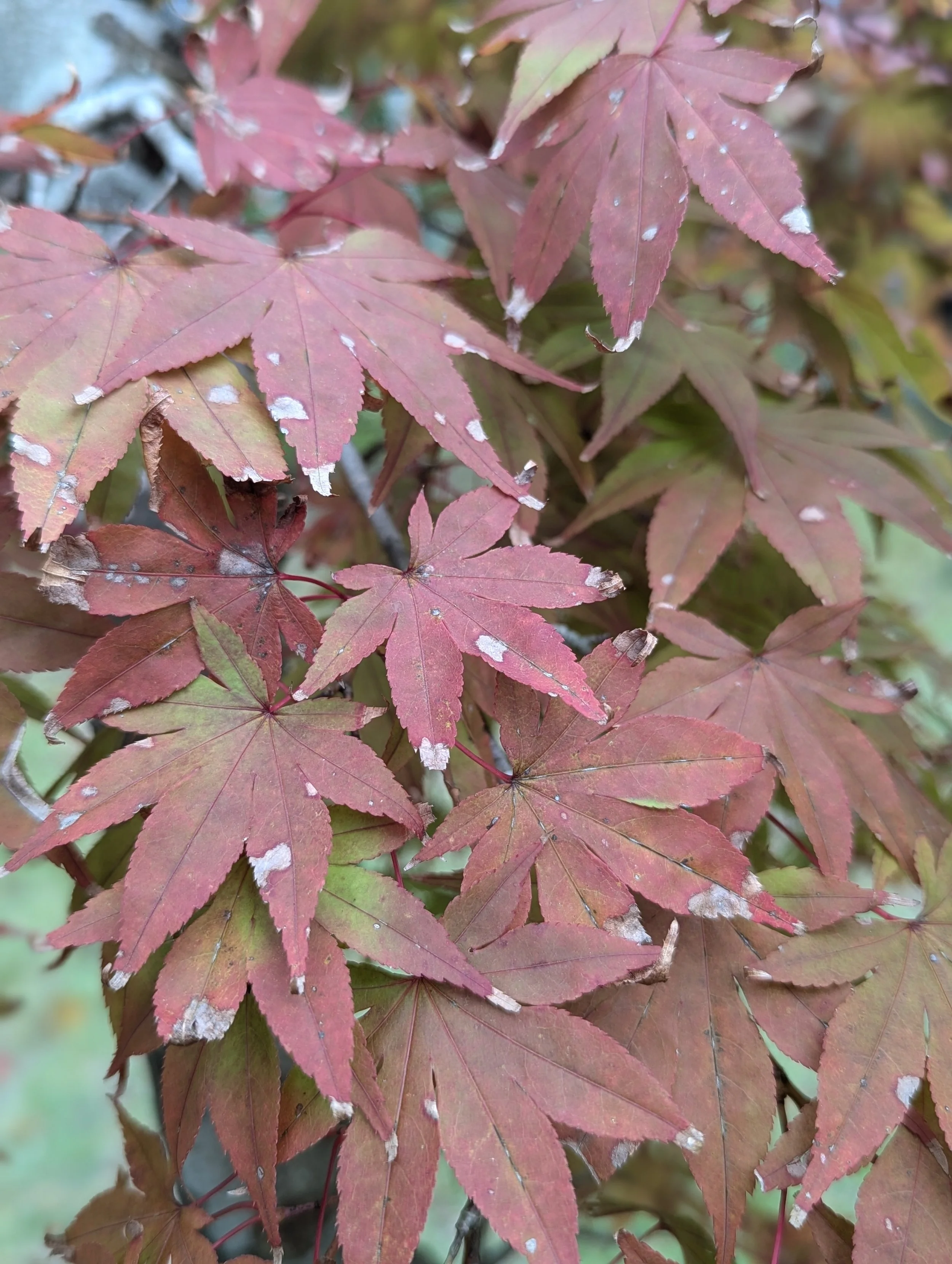
From 7AM to 7:45AM, we enjoyed a walk around the park on the property. There is a footbath overlooking the lake (a different lake that the one by the onsen) and a trail that encircles the lake. We had plenty of time to enjoy nature and the foliage before having breakfast at 7:45AM.


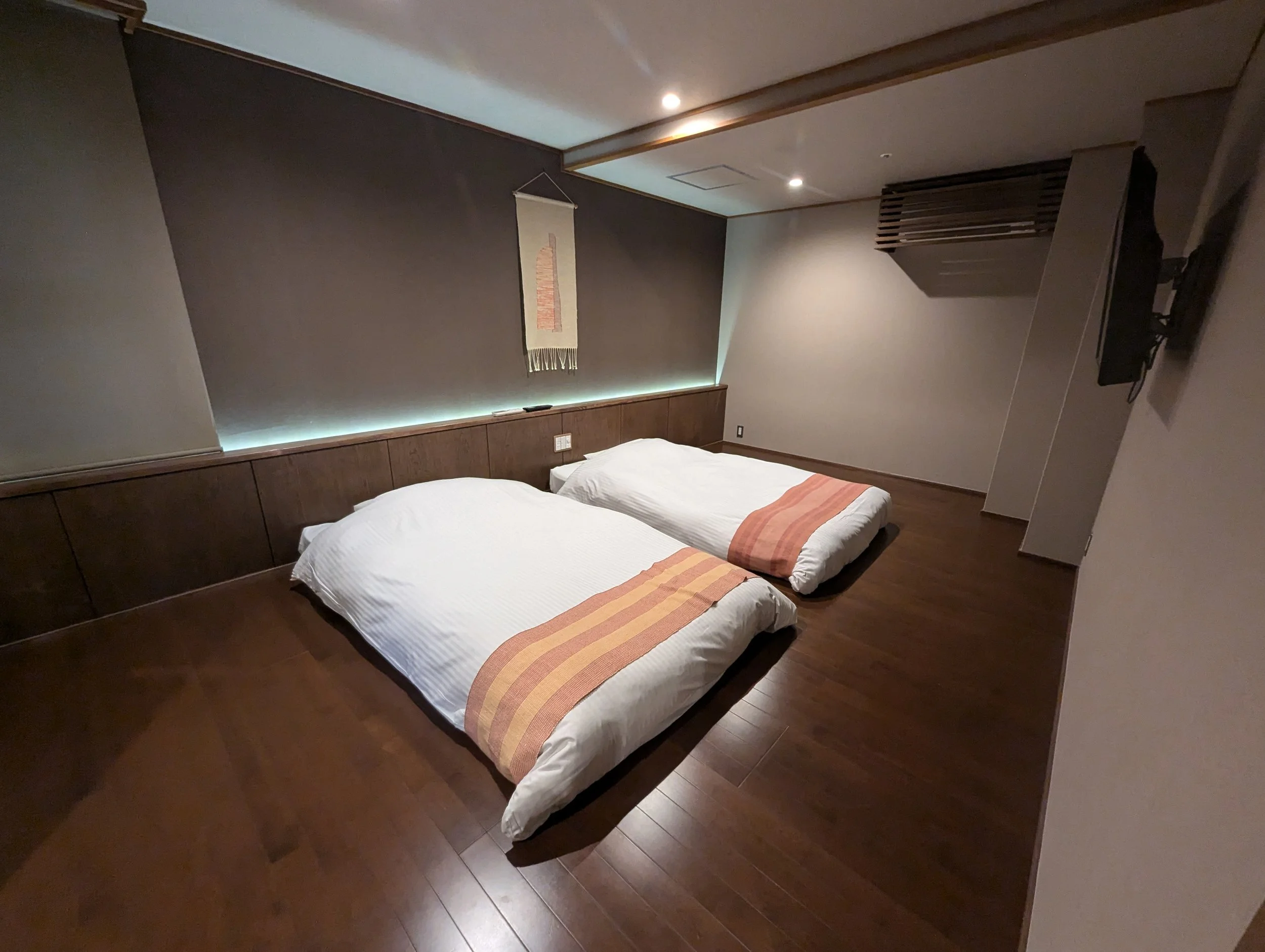
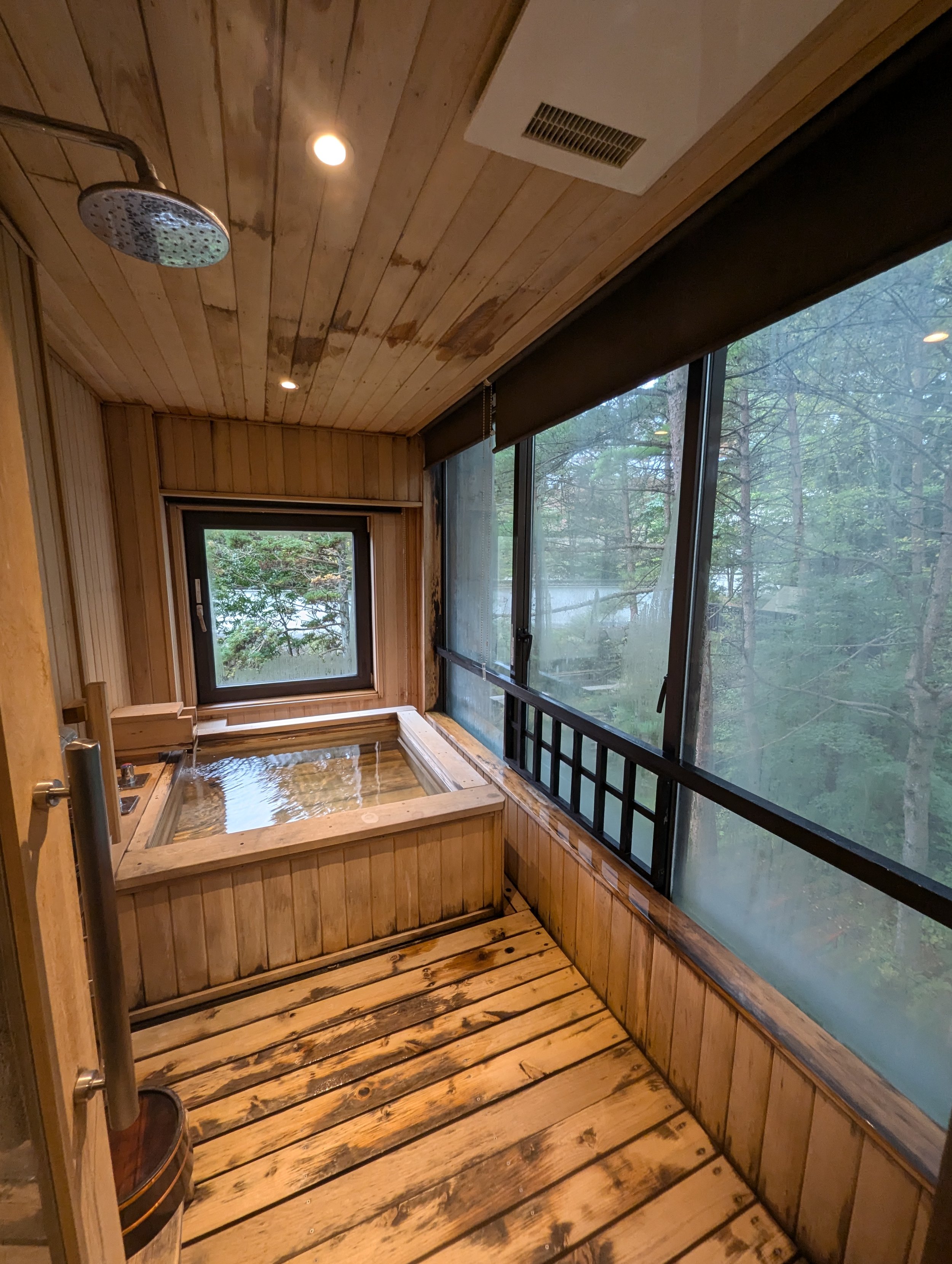
Afterward, we returned to our room to soak in our private onsen. The private open air bath in our room was in the corner, with windows spanning two walls. The entire room was made of wood - my guess is cedar or hinoki pine - the tub, the walls, the floor. We soaked for half an hour before packing up. We checked out of Aomoriya at 10:15AM and hit the road to see some of the attractions in Aomori City.
Our first stop was the Tachineputa Museum. We arrived at the museum at noon. Luckily, there is a free two-hour lot across the street. Tickets were ¥650 per person. The museum spans four floors and features three impressive tall neputa. There is an 8-minute show every half hour, which highlights just how big the floats are as they march through the town, along with a gift shop and live jazz music in the atrium. The towering neputa floats were incredible to see in person, and learning about their construction—from sketches to frames to completion—was even more impressive and fascinating. The three neputa featured in the museum take up the entire height of the building. They had to start making them smaller after electricity was invented to be able to move under the power lines. We left the museum shortly after 1PM, to reach our next stop.
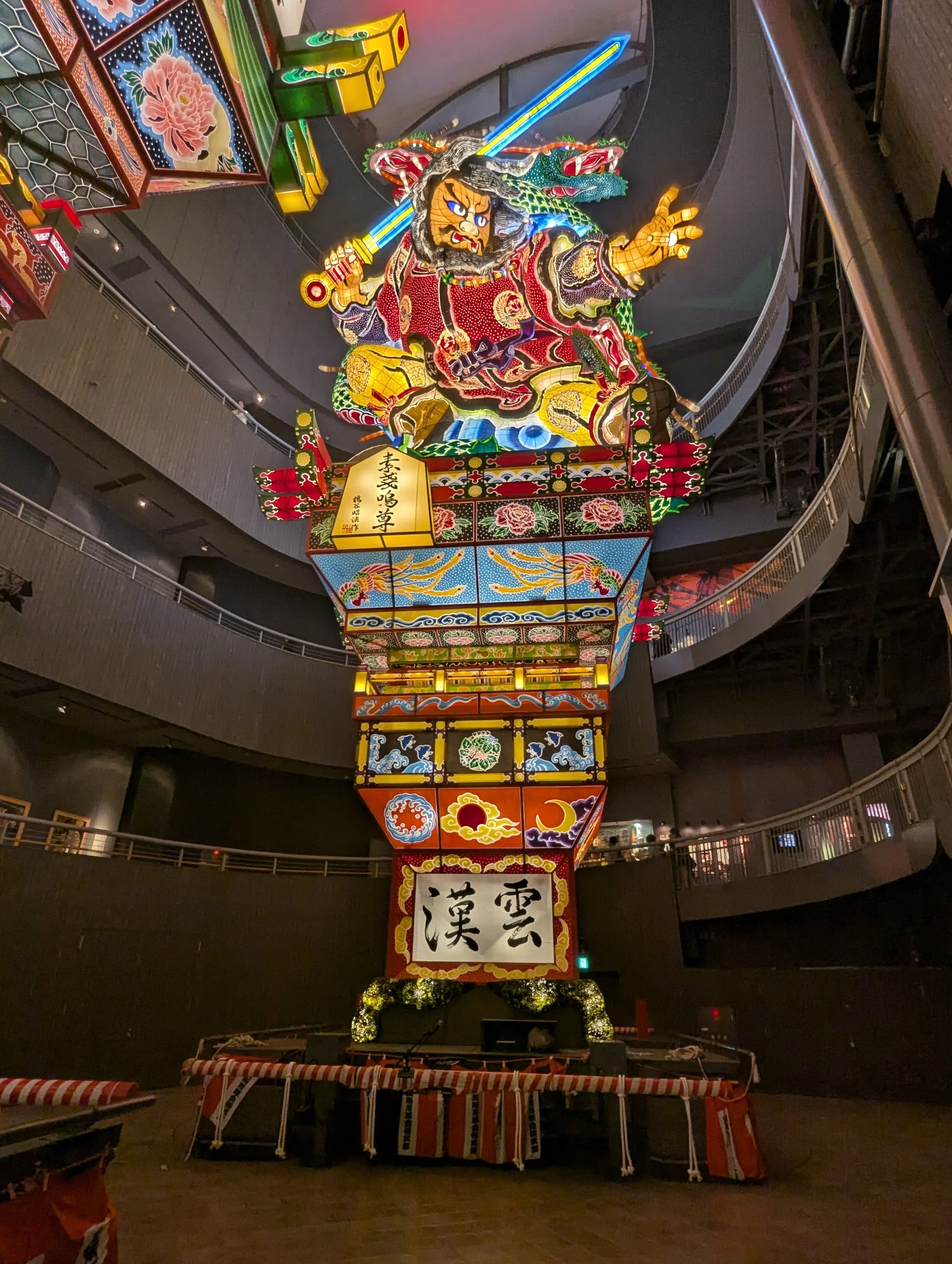
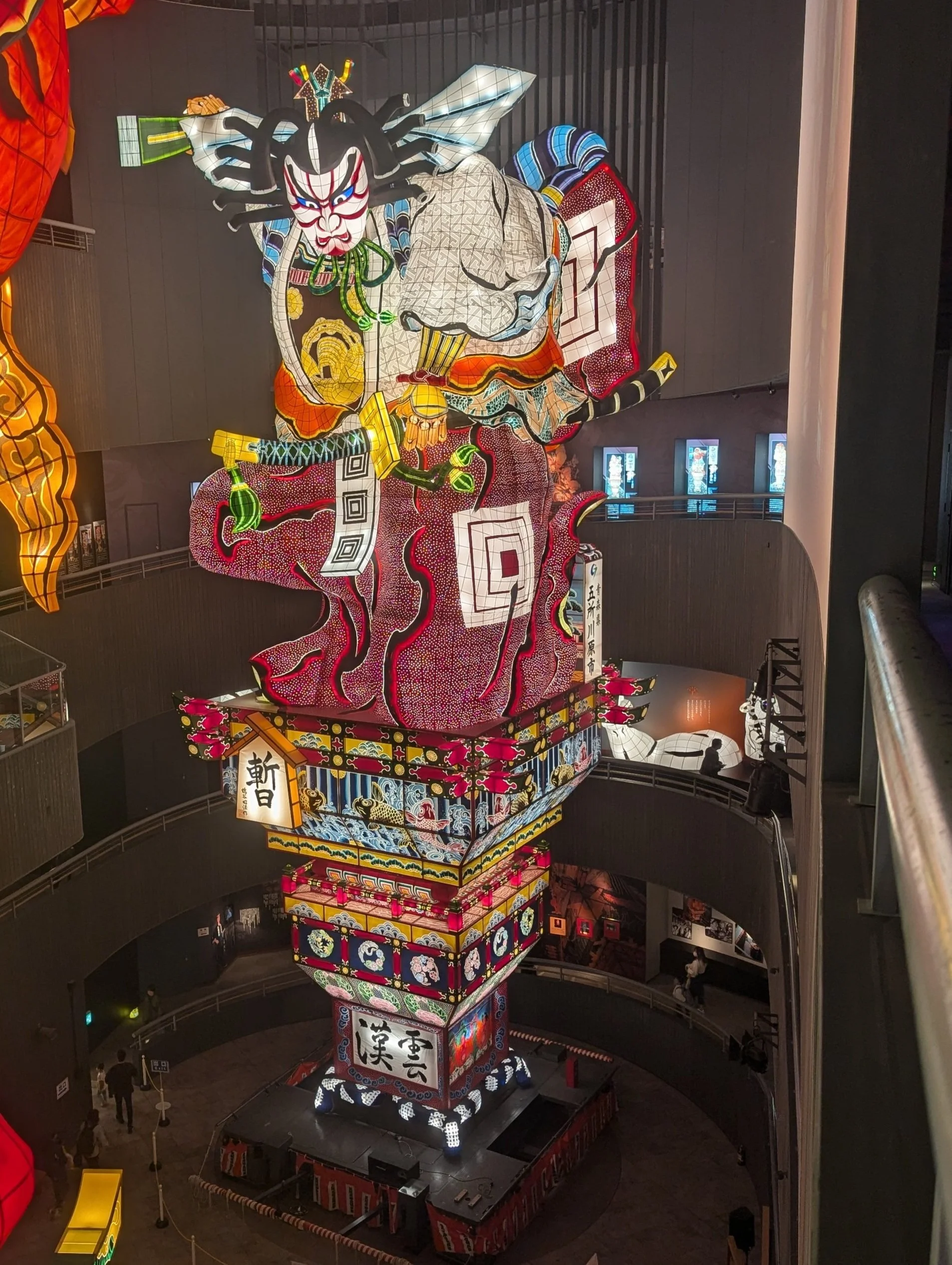
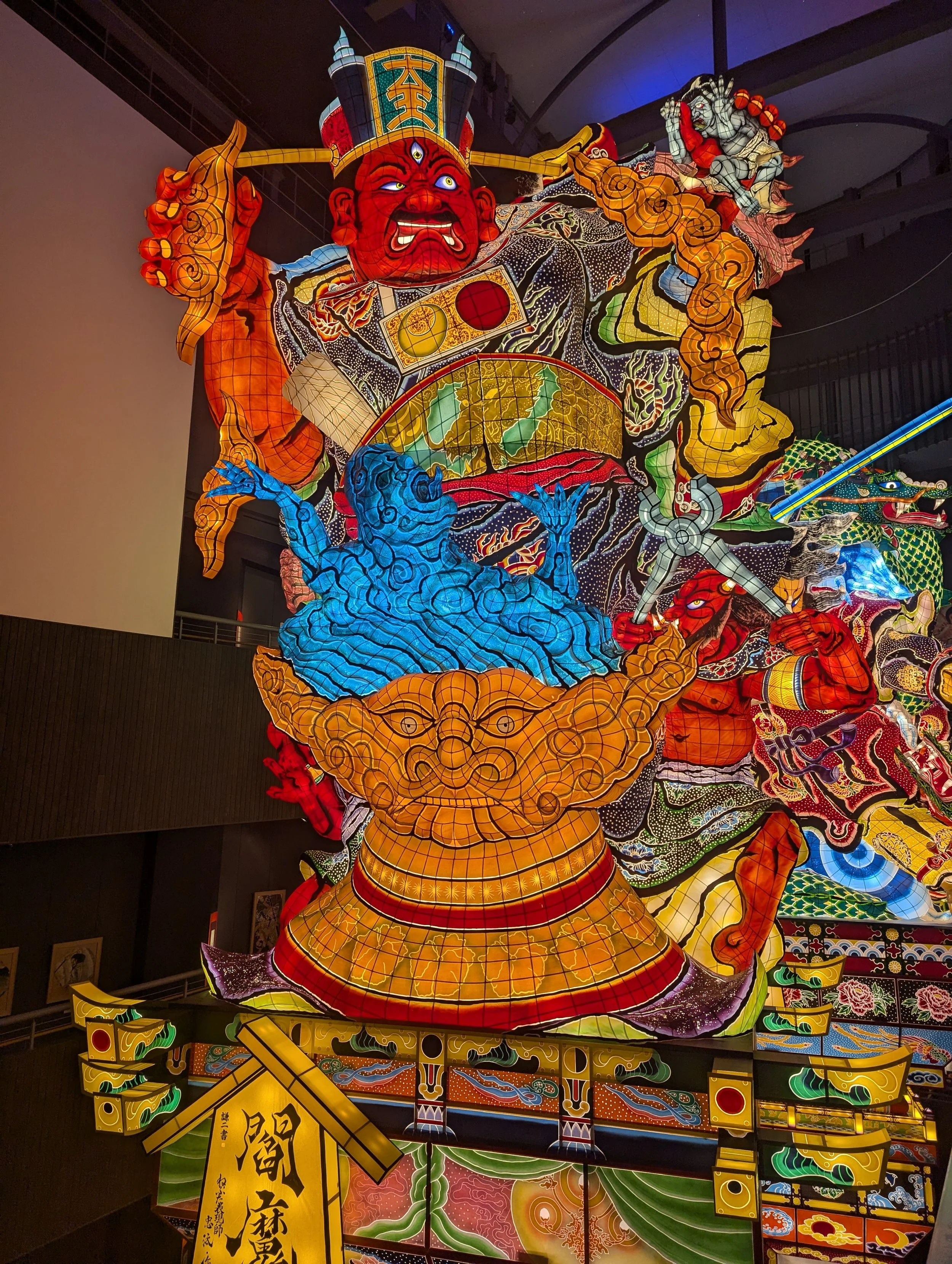
By 2:20, we reached the Nebuta Warasse Museum in Aomori. Tickets were ¥620 per person. This smaller museum was more crowded than Tachineputa, being in the city of Aomori; whereas Tachineputa is outside of the city, a slight detour, and requires a car to get there. The Nebuta Warasse Museum showcased the intricate floats used in the neputa festival. Each year, the town creates 22 new floats, most of which are destroyed, while four are preserved in the museum.


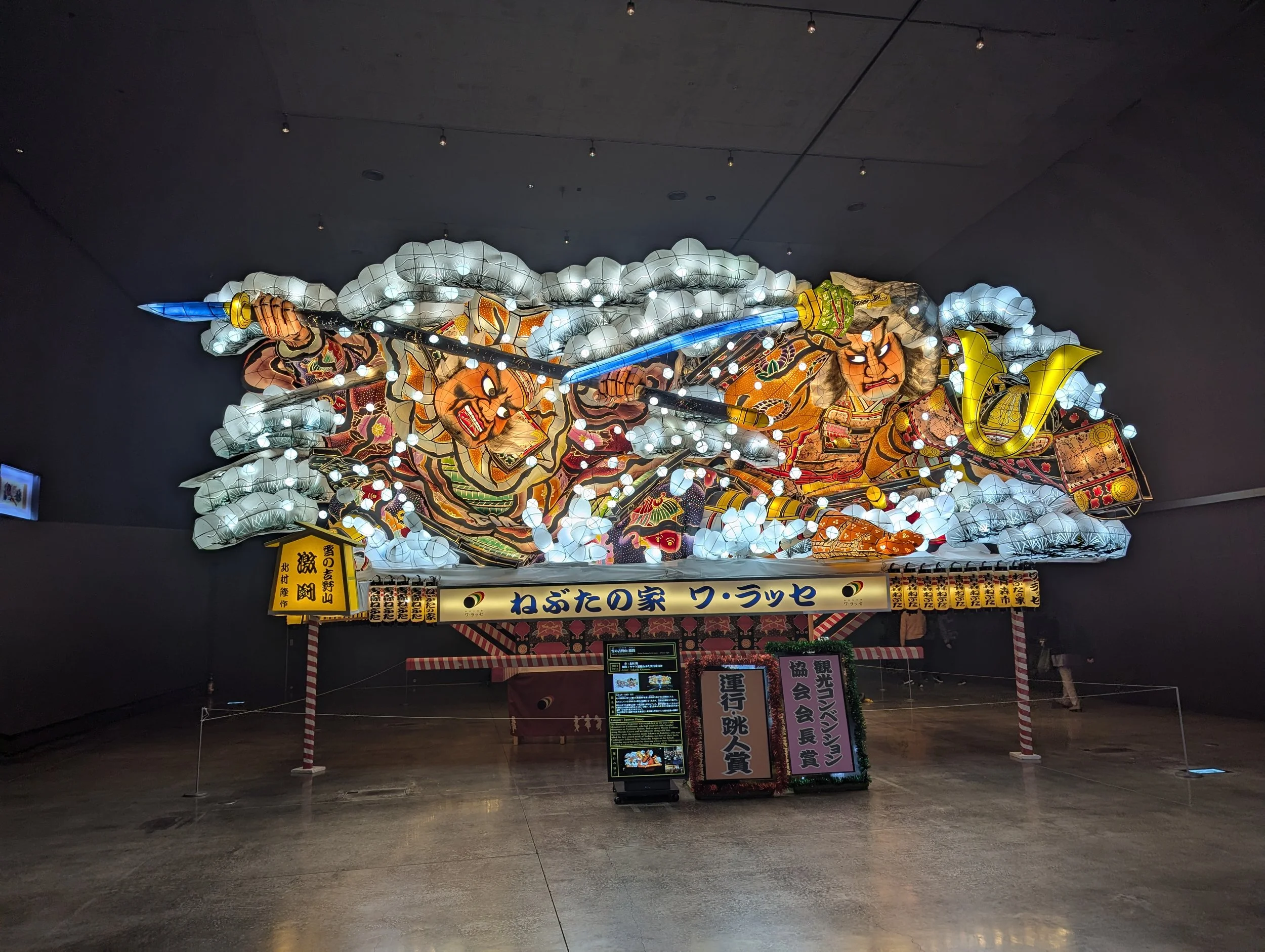
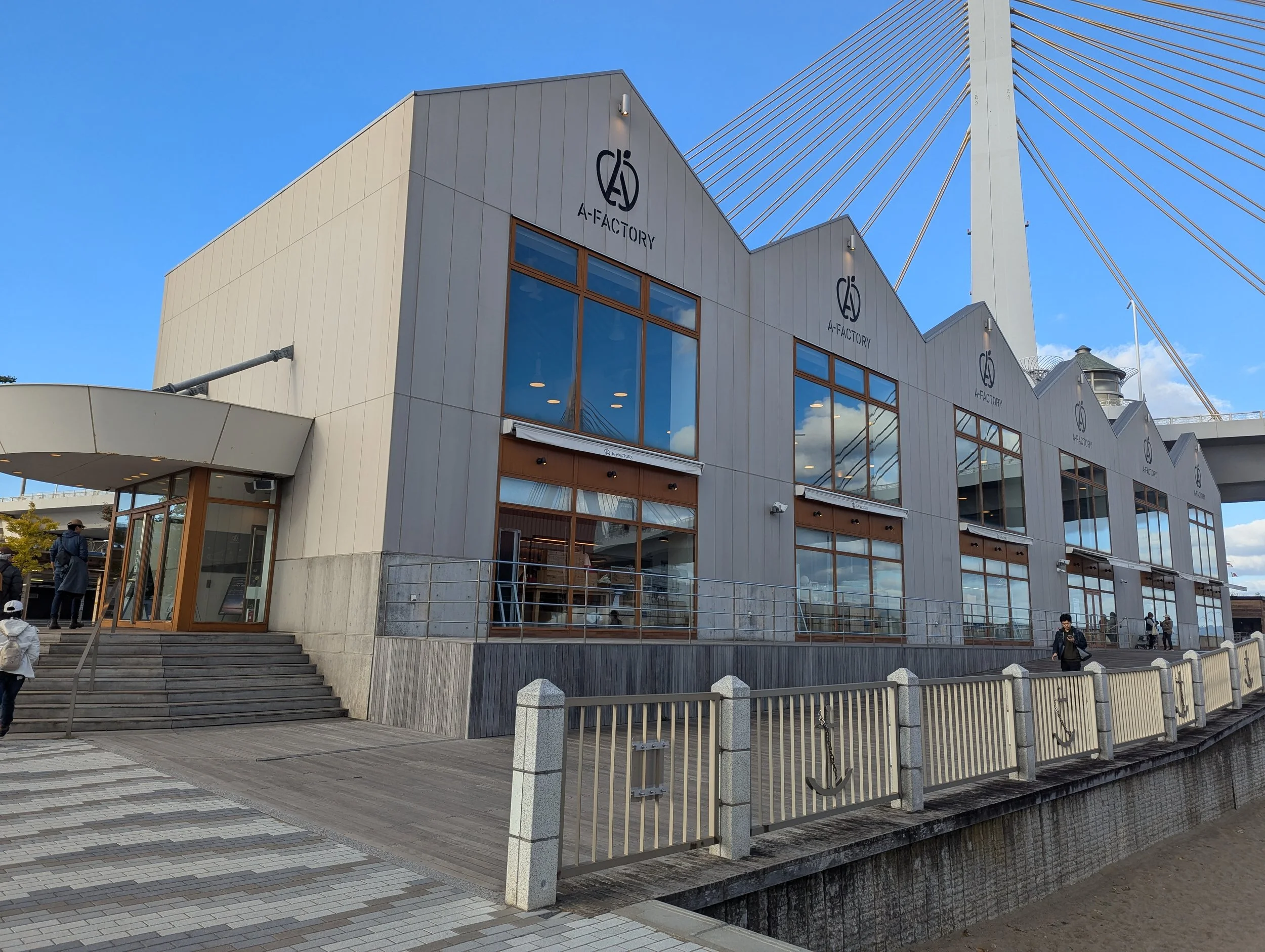
Afterward, we visited A-Factory across the street. A-Factory is right on the water and outside of the building has some photo ops. Everything in A-Factory is apple themed - a ton of apple snacks or all kinds, local art, fridges worth of apple juice and apple cider. Upstairs is a small tasting area of different (alcoholic) ciders. We purchased a giant Aomori apple for ¥250, some snacks and souvenirs, and a couple bottles of sparkling apple juice.


By 3:40PM, we completed our Aomori activities. It was an awkward time of day as most restaurants were closed. We decided to return our rental car and head to the station. Many Japanese train stations have a number of good restaurants, so that’s what we were banking on. Unfortunately, this was not the case for Shin-Aomori Station. There were a handful of restaurants, some of which were closed for the afternoon break. We decided to take a chance and swipe into the platform area (once you swipe in, you can’t exit and re-enter because you use your train ticket to enter). We found a soba restaurant in the train station around 4:45PM, located inside the shinkansen gate. It seemed to be the only dining option. It was a small place with seating for about four people. The food was good and warming and made our bellies happy. We had some time to kill before our train across the water, so we hung out in the lounge area.
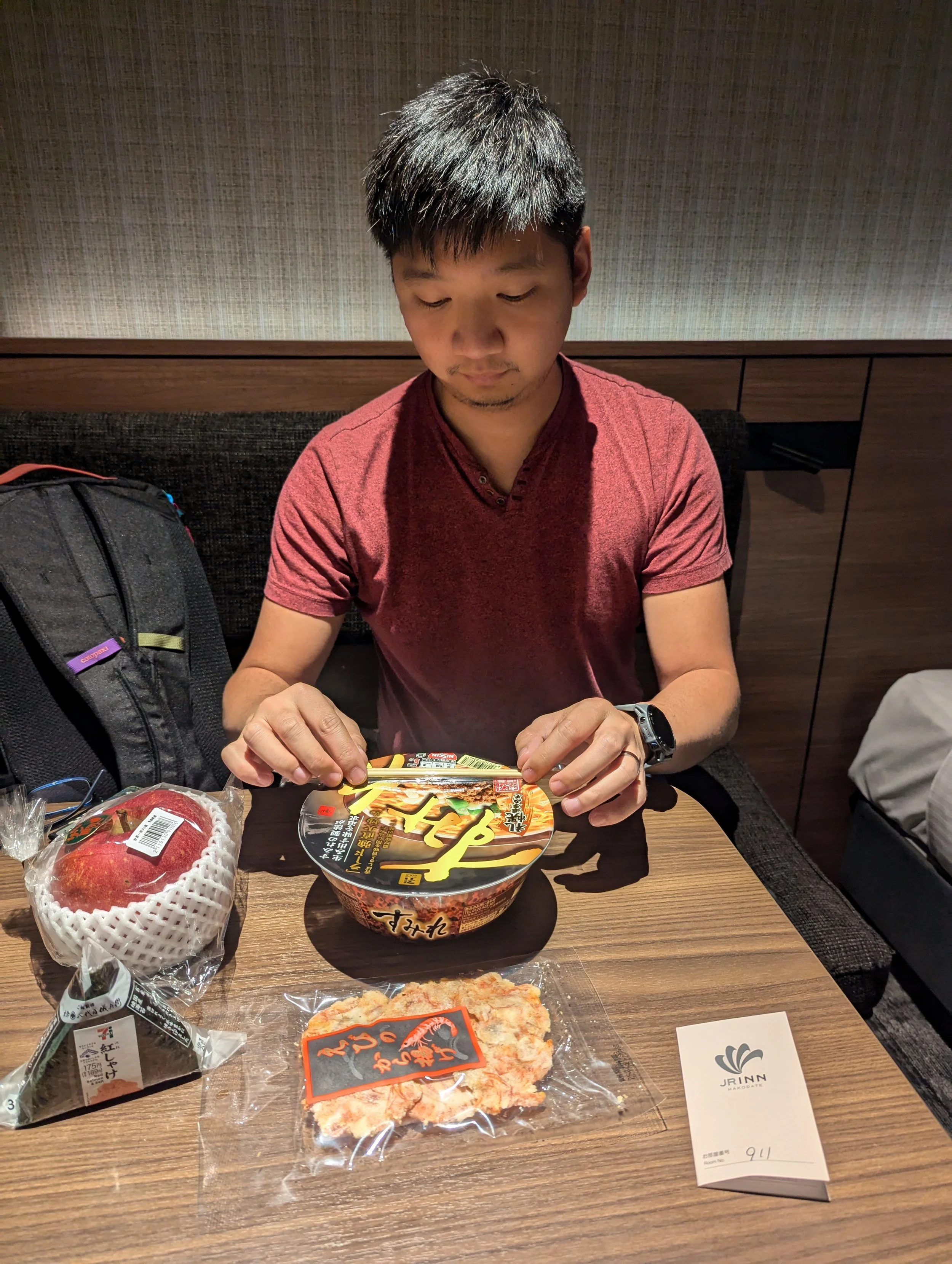
Our train ride began with an hour-long journey from Shin-Aomori to Shin-Hakodate, arriving at 7:45PM. We transferred to the Hakodate Liner at 7:55PM, a 15-minute ride to Hakodate. At 7-Eleven near the station, we picked up snacks—onigiri, Kevin’s instant noodles, and shrimp senbei. Conveniently, our hotel was connected to the station, though technically we had to step outside briefly. The temperature was in the low 50s. For the most part not too bad, but in Aomori City, it was quite windy, but then again it is right on the water.
We checked into hotel, JR Inn, right after a large tour group. The hotel had amenities like a pillow bar, though no pillows were available. Bath amenities were available in the lobby. After enjoying our snacks that we had purchased at 7-Eleven and at A-Factory, we turned in for the night at 10PM.


Day 5 - October 21: Hakodate
We woke up at 6:30AM to a crisp 40°F morning, with the promise of a high around 60°F. After a brief stroll through the local market that we had overlooked from our hotel room, we headed to Ikuratei Restaurant at 8AM. I ordered the small-sized Crab, Uni, and Ikura Sanshoku Don with grilled mackerel, while Kevin enjoyed the regular-sized Kani Hakodate Don (5,720 yen). The service was quick, and although the waitress informed me it would be 10-15 minutes for the mackerel to be grilled, the chef started our order immediately. Kevin had researched this place, as it was known for their ikura - as you might have deduced from its name. It sure did live up to its reputation!
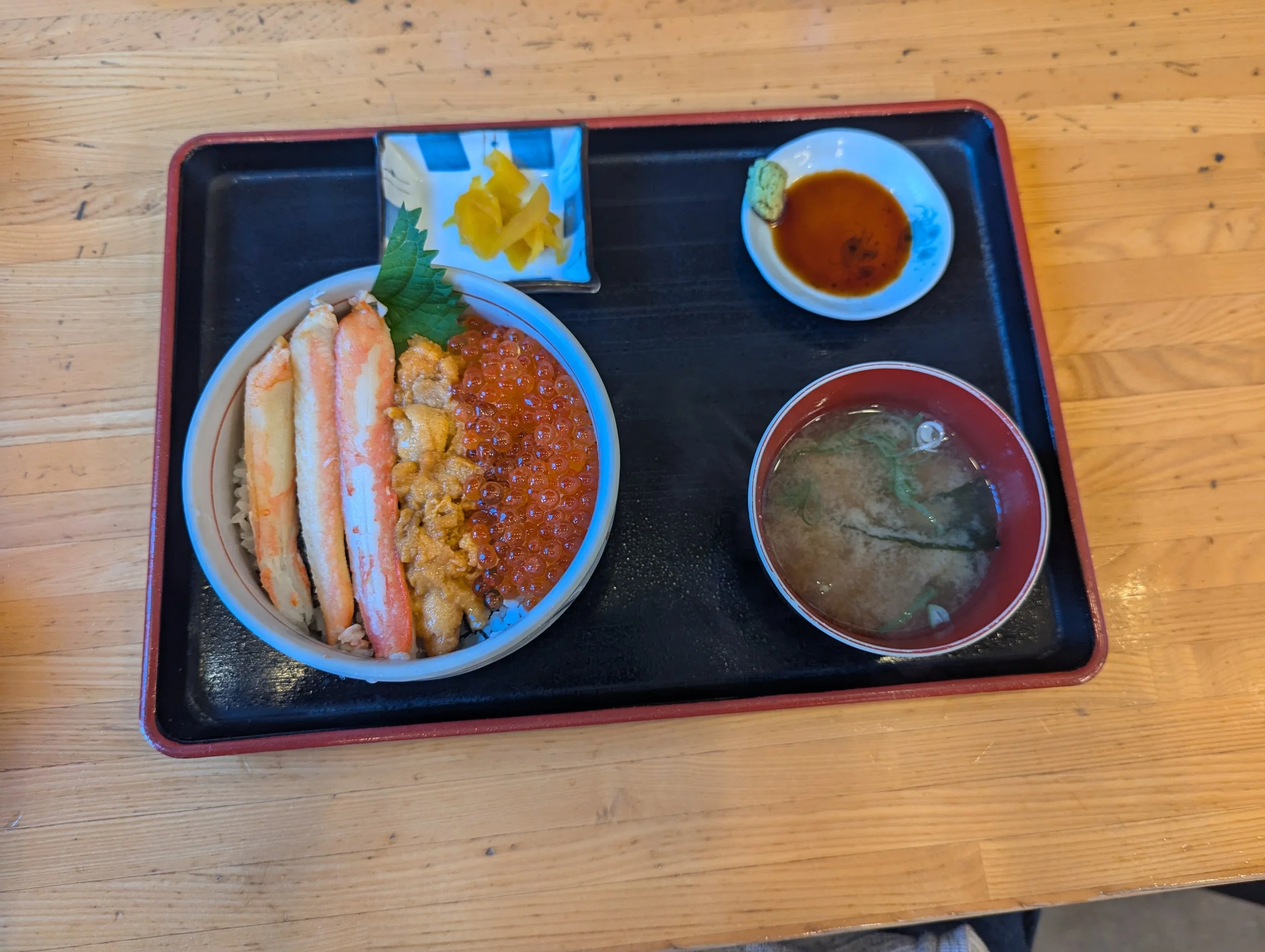
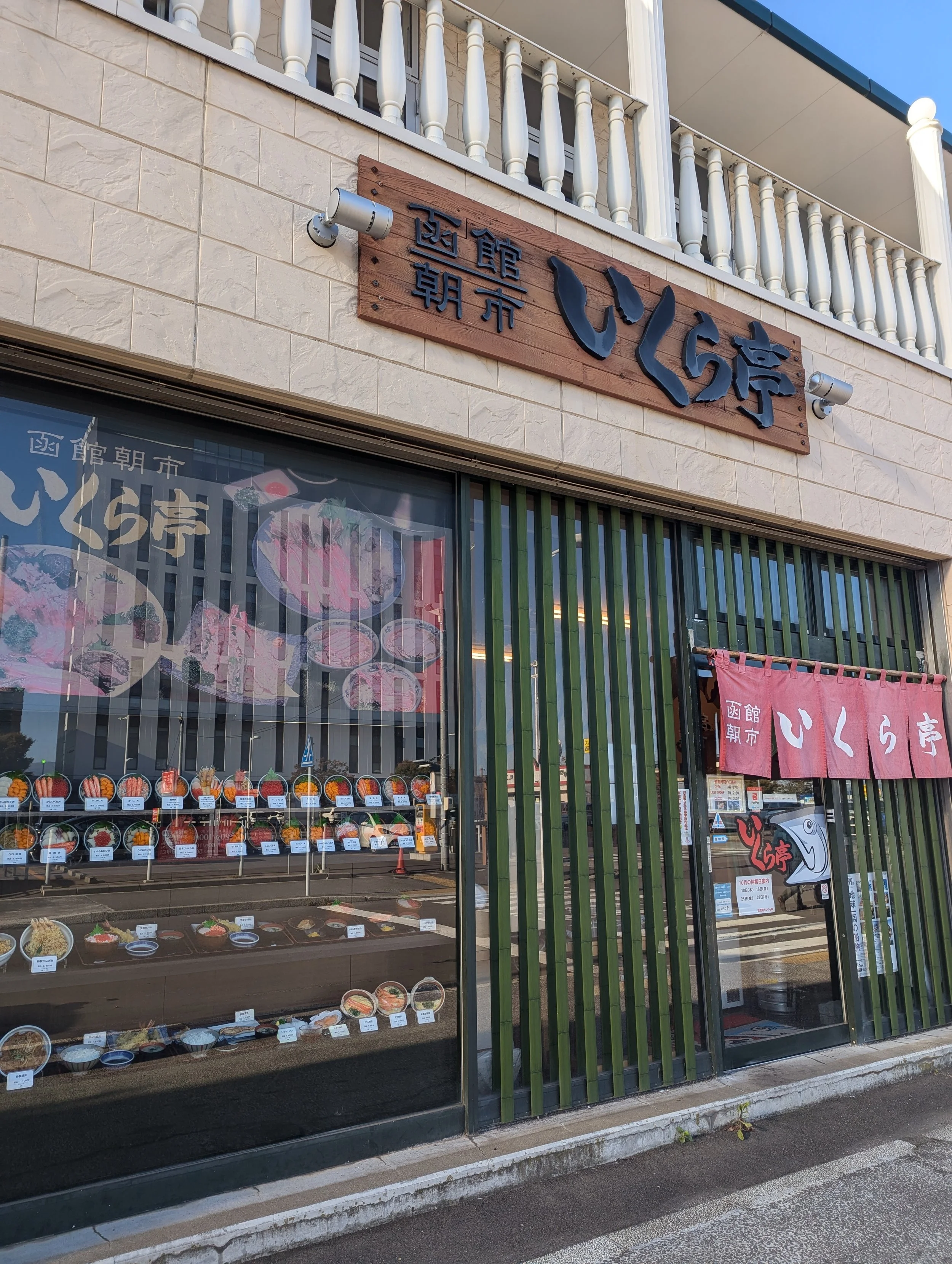
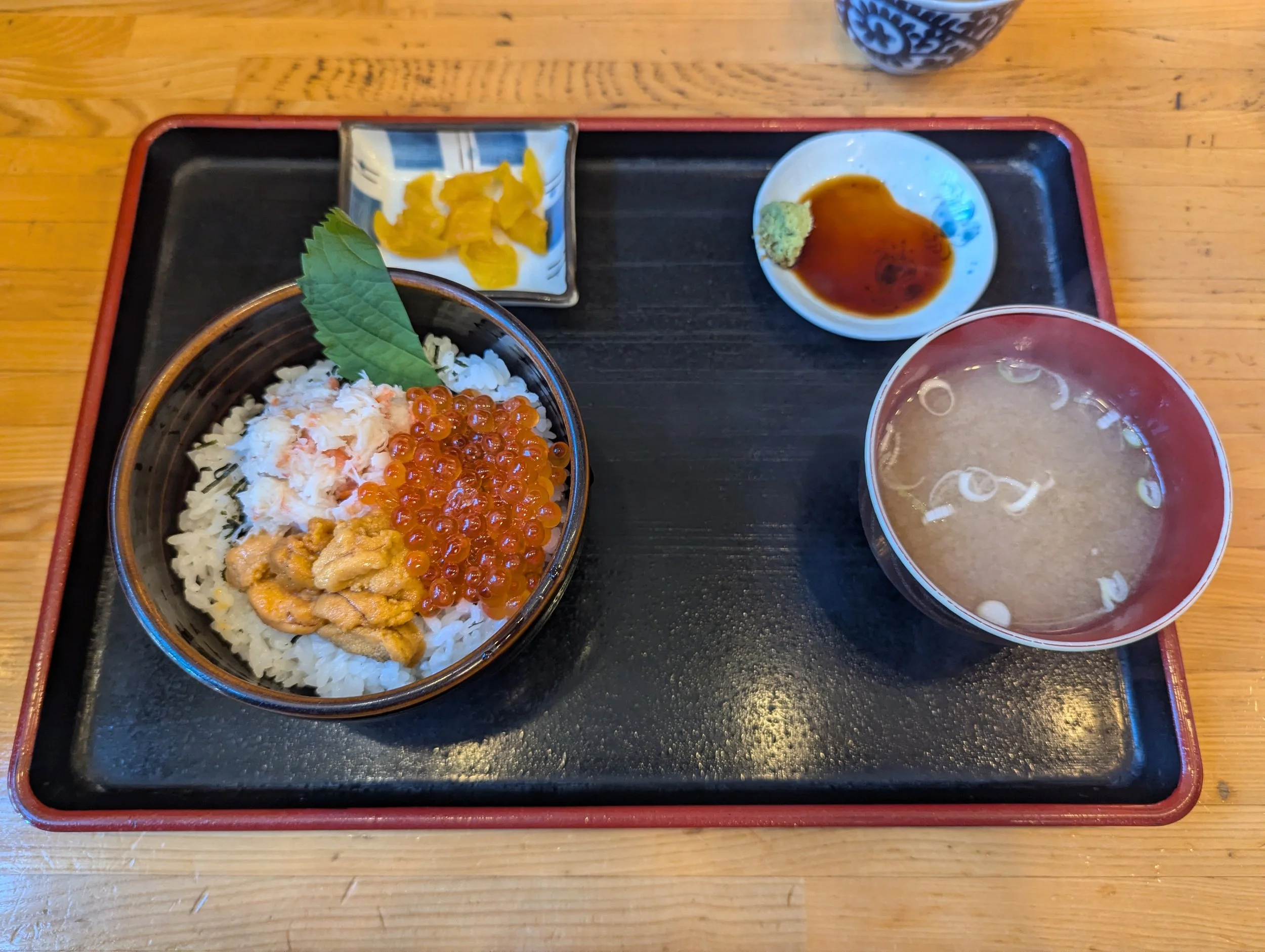
After breakfast, we continued wandering the morning market. Given that the weather in this region is generally colder, there are sections of the market that are indoors. Amidst the stalls selling fresh fish and dried fish, was an ice cream stand. Though it was only 8:50 AM, we indulged in creamy Hokkaido milk ice cream, a must-try in the region. We couldn’t resist a quick stop at the Gachas in the corner of the market. Kevin spotted one he really wanted, and tried several times to get it, but with no luck. (In fact, after we returned from our trip and were talking with his sister and brother-in-law, they picked up on how distraught he was that he didn’t get it, and special ordered it for him for Christmas — a cat pooping on a cracker.
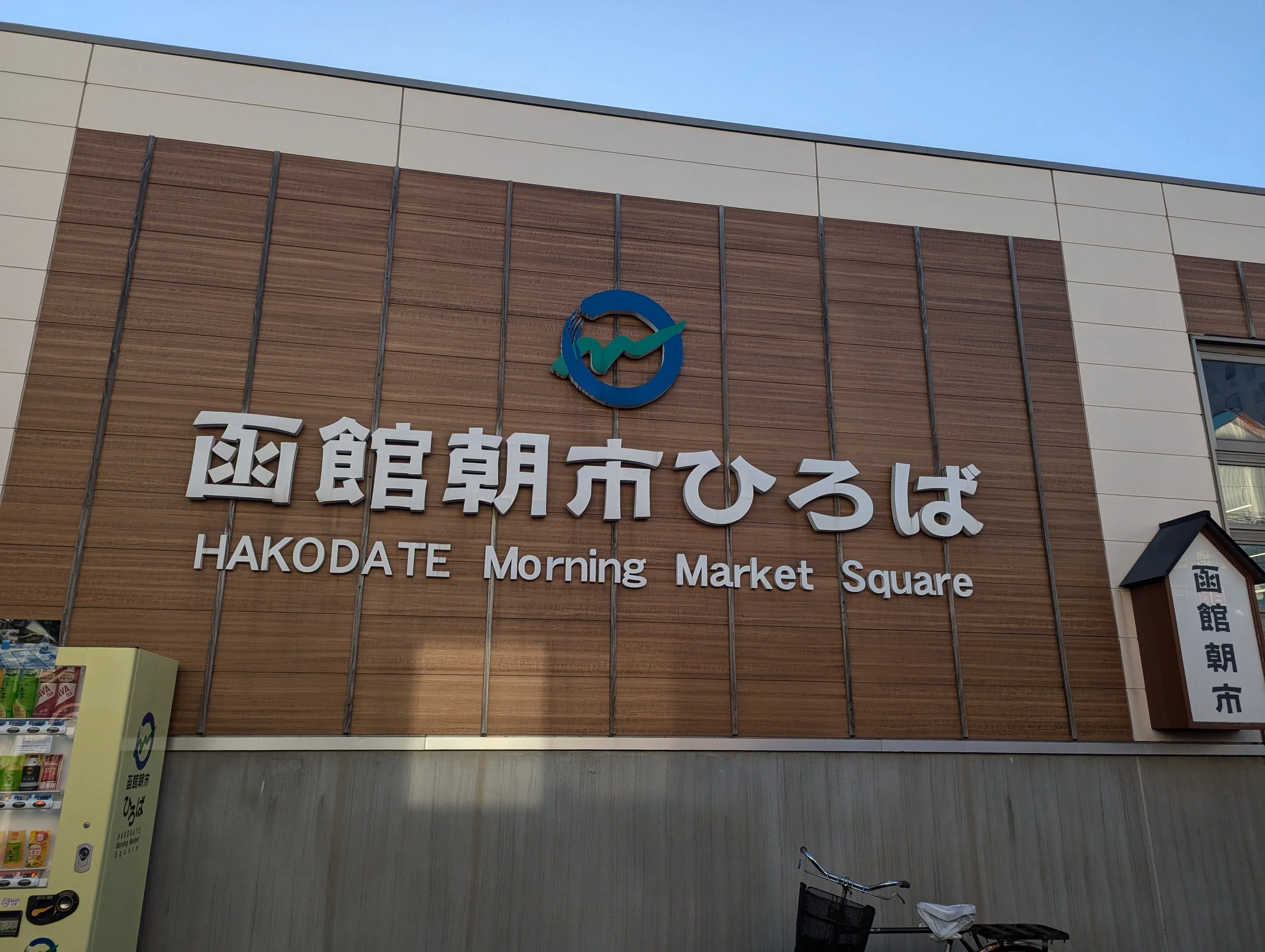
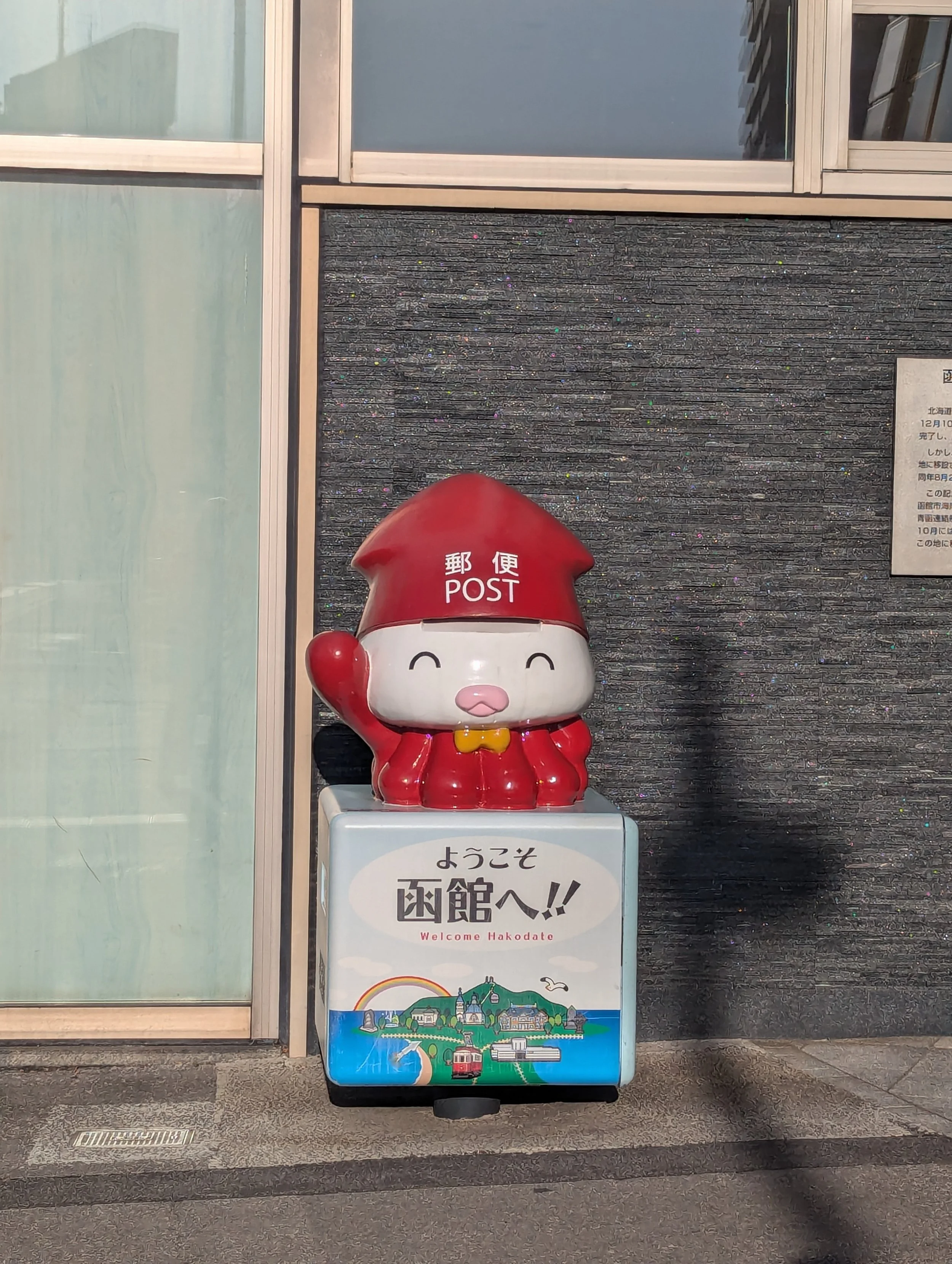

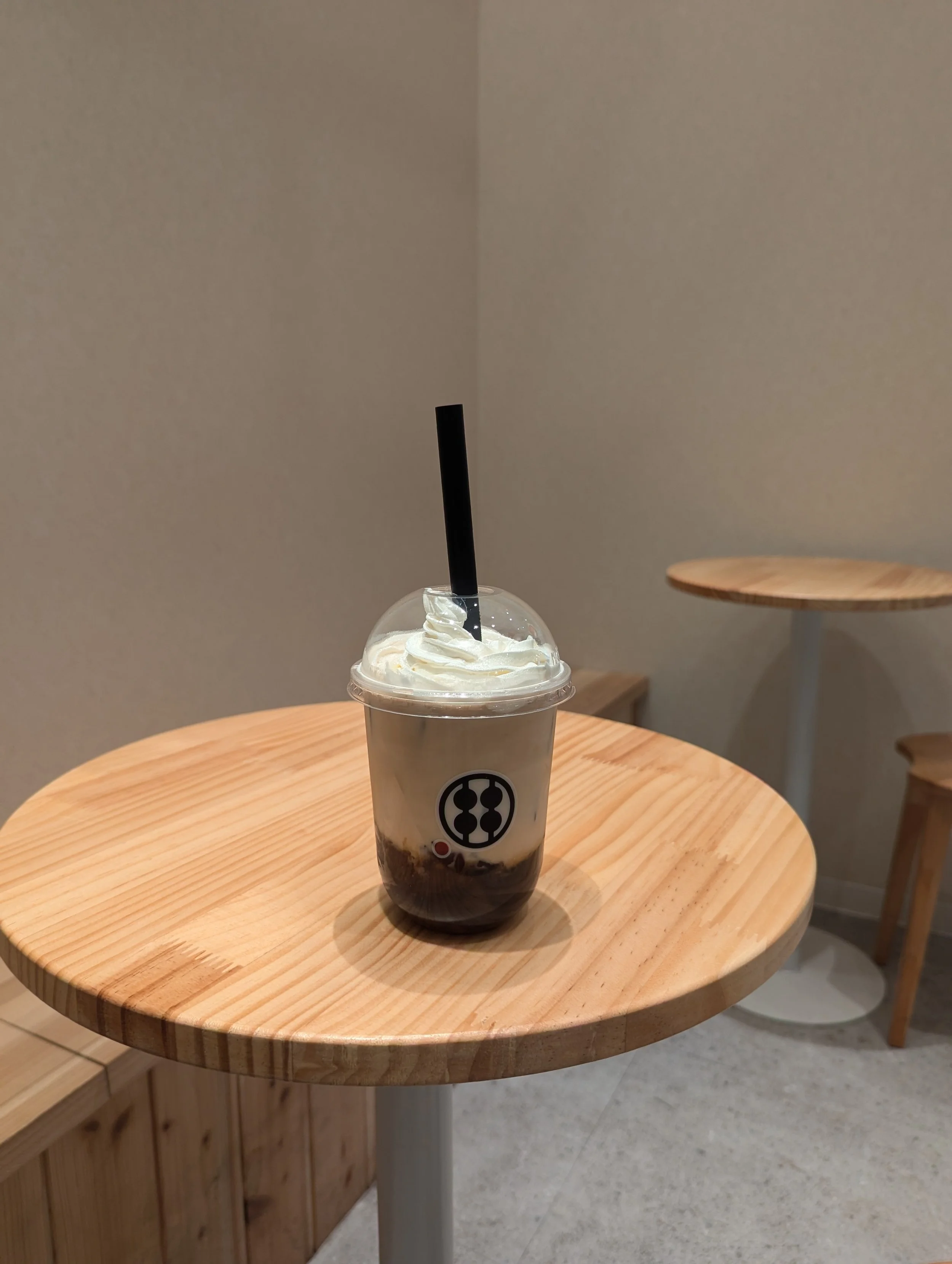
We made a quick stop back at our hotel to drop off our Gacha haul. We left around 9:30 AM ready for the adventures for the day. Our first stop was the Kanemori Red Brick Warehouse, a leisurely fifteen minute walk from the hotel along the water. The warehouses were built in 1887 as the first commercial warehouses in Hakodate, but were destroyed by a fire. They were rebuilt and currently house shops of all kinds. We spent some time wandering the shops - basic souvenir shops, a chopsticks shop, art shop, a shop that repurposed kimono into things like wallets and coin purses. At 10:30 AM, we treated ourselves to coffee milk with warabimochi (720 yen) from Kanmidokoro Kamakura. The warabimochi does not have the consistency of a normal rice mochi, but reminded me of grass jelly with a silky smooth texture.


We hopped on tram #2 (can also take #5), paying 250 yen with our IC cards, heading towards Goryōkaku. After a half-hour ride and a short walk, we arrived at Goryōkaku Tower. There is a gift shop on the first floor, where you also purchase your ticket for entry. The top of the tower offers panoramic views of the city and Goryōkaku Park, which is beautifully designed in the shape of a star, and is actually a fort! Around the observation deck are plaques and miniature figures telling the story of the fort and its importance in Hokkaido’s history. In the Edo period, Japan did not participate in foreign trade, with the exception of the Netherlands and China. In 1854, the Tokugawa Shogunate signed a treaty with the US, the UK and Russia and opened to trade. Hakodate, given its location between mainland Asia and the Pacific Ocean, became a port town. The fort was built in 1855 by the Tokugawa Shogunate as a secure location for the Hakodate magistrates, who handled foreign negotiations, defense, and city administration. Designed by Ayasaburo Takeda based on European star forts, Goryōkaku was meant to withstand modern warfare involving guns and cannons, protecting Hakodate from potential threats. Construction was completed in 1864. Goryōkaku is also significant in Japanese history because it was the site of the last battle of the Boshin War, the Battle of Hakodate, in 1869. This battle brought an end to the Japanese feudal system, and marked the start of thee Meiji government.


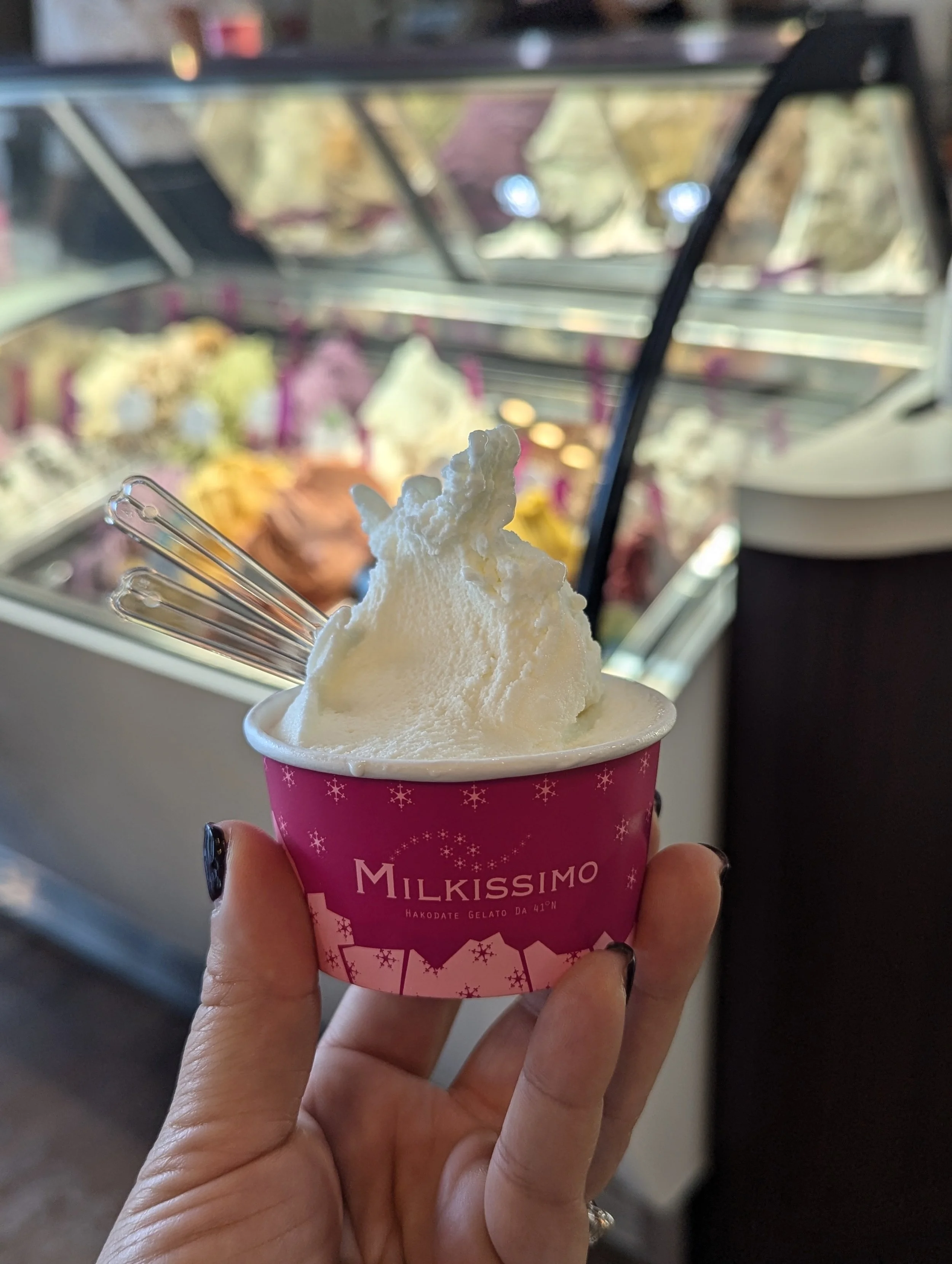
After we learned about the rich history of the area we were exploring, we stopped for lunch around 12:40 PM, in the tower. We savored katsu curry for me and fried shrimp curry for Kevin (5,280 yen total), and gelato from Milkissimo. Our exploration continued at Goryōkaku Park, right across the street from the tower. We had primed our expectations at Goryōkaku Tower, which provides a stunning aerial perspective of the fort’s unique design. Today, the star-shaped fort is a public park famous for its beautiful cherry blossoms, attracting visitors in spring when around 1,600 cherry trees bloom.
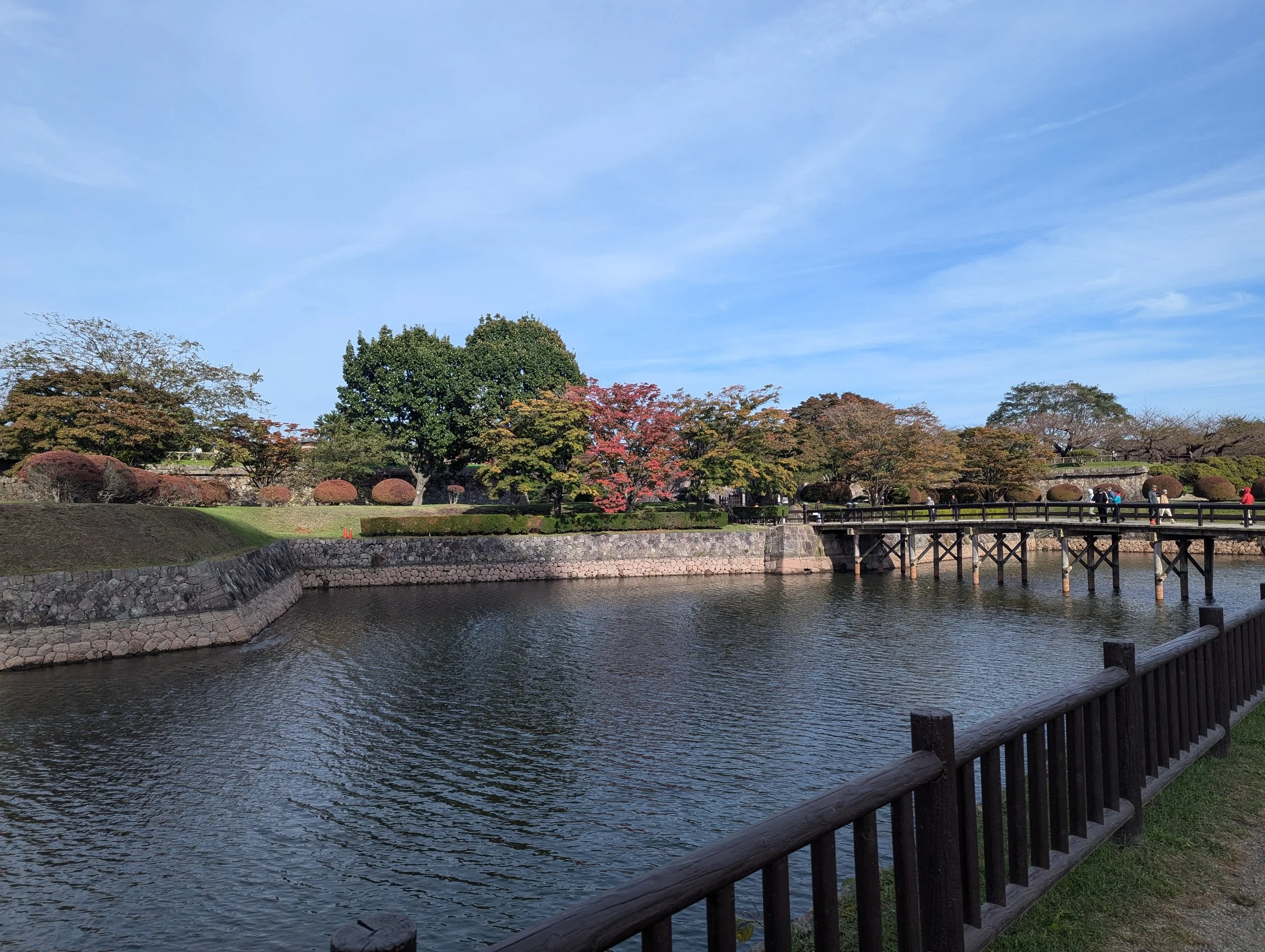

The park also features walking paths, a moat, and the reconstructed Hakodate Magistrate’s Office. After the Boshin War, which ended Tokugawa rule, the Meiji government no longer needed the office for administration. Goryōkaku lost its military significance, and many of its buildings, including the magistrate’s office, were demolished to make way for new development and modernization. However, the Hakodate Magistrate’s Office (Bugyōsho) was rebuilt in 2010 as part of efforts to preserve and showcase Japan’s historical heritage. The reconstruction aimed to restore the cultural and architectural significance of the site, which was once central to the Tokugawa Shogunate’s governance in northern Japan. Bugyōsho was rebuilt using traditional Japanese carpentry practices, including kigumi, where wooden pieces were intricately interlocked instead of using nails, following methods passed down through generations. To ensure the authenticity of the reconstruction, carpenters from across Japan were hired, bringing their expertise to the project. The effort not only restored the historical and architectural significance of the site but also preserved traditional craftsmanship. They even used the same types of wood and metals that would have been used when it was originally built, featuring woods like hiba cypress, cedar, and pine. The copper details, ceramics for accent pieces, pine shingles with bamboo nails, they even fabricated custom ceramic shingles with different glazes and installed them at random to replicate the original aesthetic. The rebuilt office now serves as a museum, offering visitors a glimpse into the region’s history and the skills involved in traditional Japanese construction. For 500 yen entrance fee, you can take your time and wander the building, admire the craftsmanship, feel the wood beneath your feet, smell the tatami, and appreciate the historical significance of what had come before. There is a video highlighting the reconstruction, which was fascinating and definitely worthwhile.


Around 3 PM, we started our journey back. By 3:15 PM, we were on tram #5 (250 yen) back to Hakodate Ekimae. As we got off the tram, which was right across the street from the bus station and train station, other people who had been on the tram were running across the street and getting into a line at the bus station (stop #4). We followed suit, only to learn that the line we were in was for Bus #1, heading up to Mount Hakodate. Since the ropeway was under maintenance, the bus was the next best way to summit Mount Hakodate. Fortunately for us, the timing worked out perfectly and we didn’t struggle to find where we needed to go!
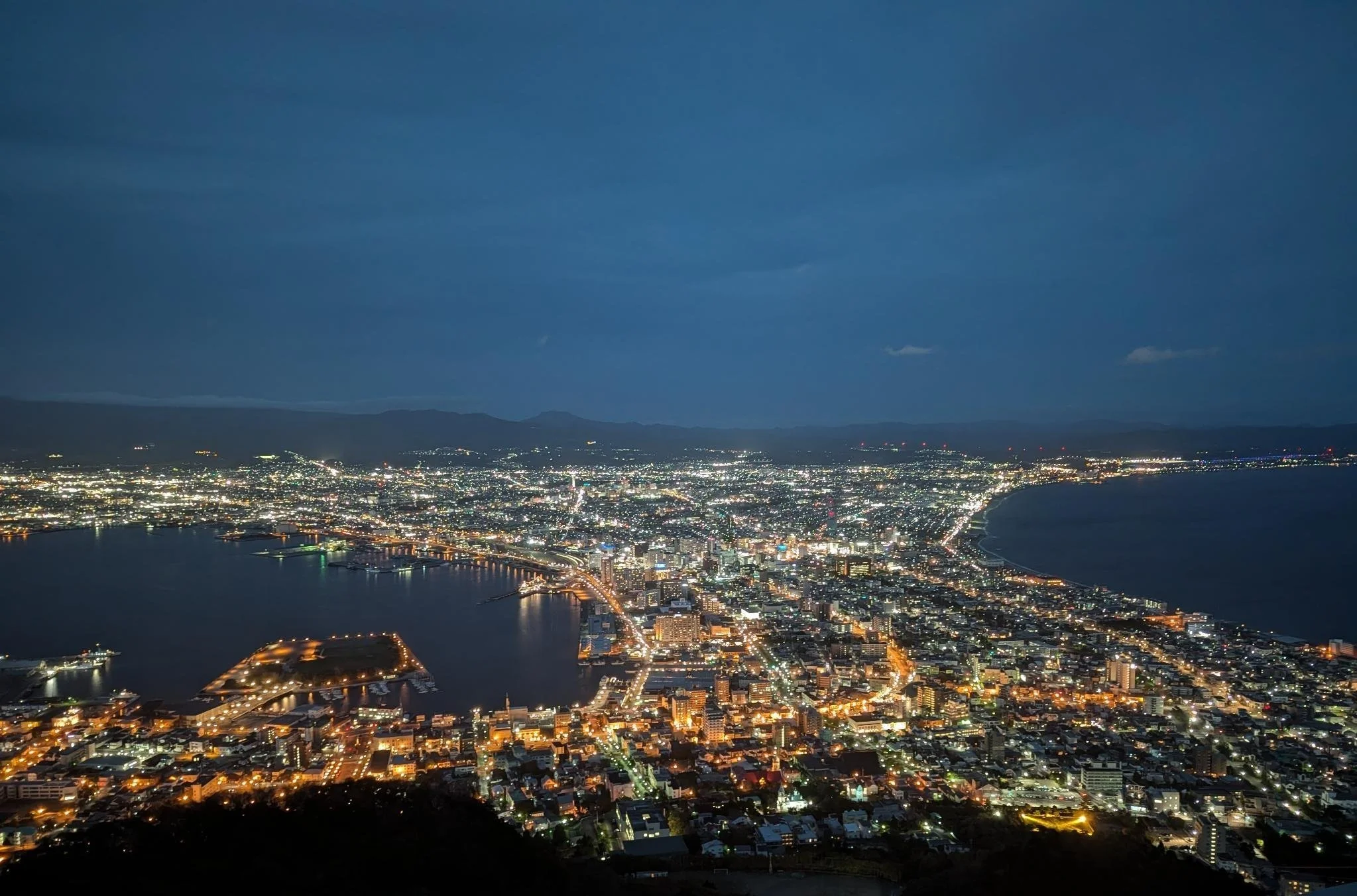
The 4:10 PM Mount Hakodate Climbing Bus ride took about 30 minutes. Despite the crowds, we arrived just in time for golden hour and a breathtaking sunset over the bay, lucky to have clear skies. The observation area was bustling, and the facilities included restrooms, a restaurant, and even a small movie room (which we did not explore). The observatory offers a breathtaking view of the city, bay, sea, and mountains, with the most stunning sight unfolding as night falls and the city lights come to life.
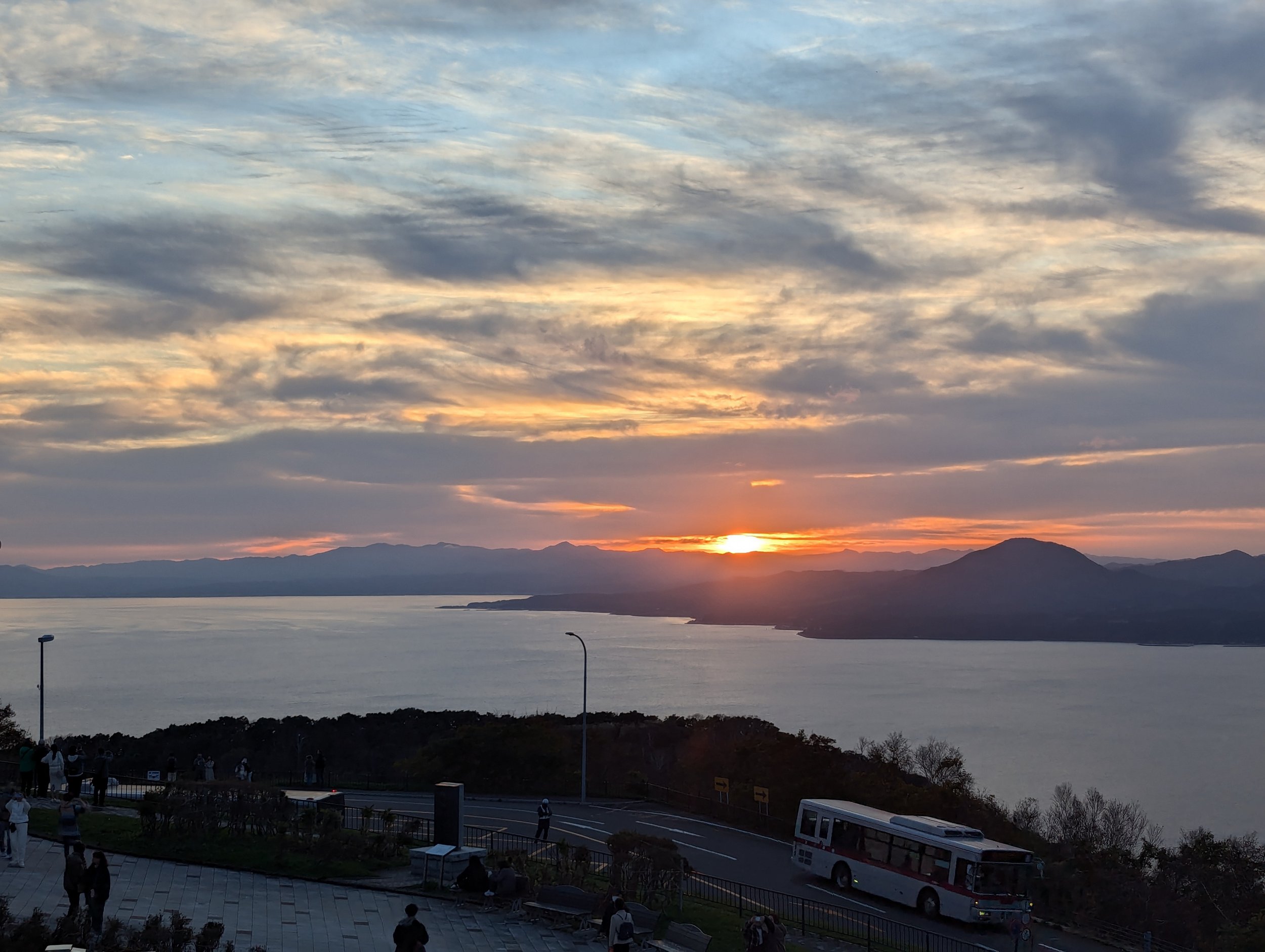
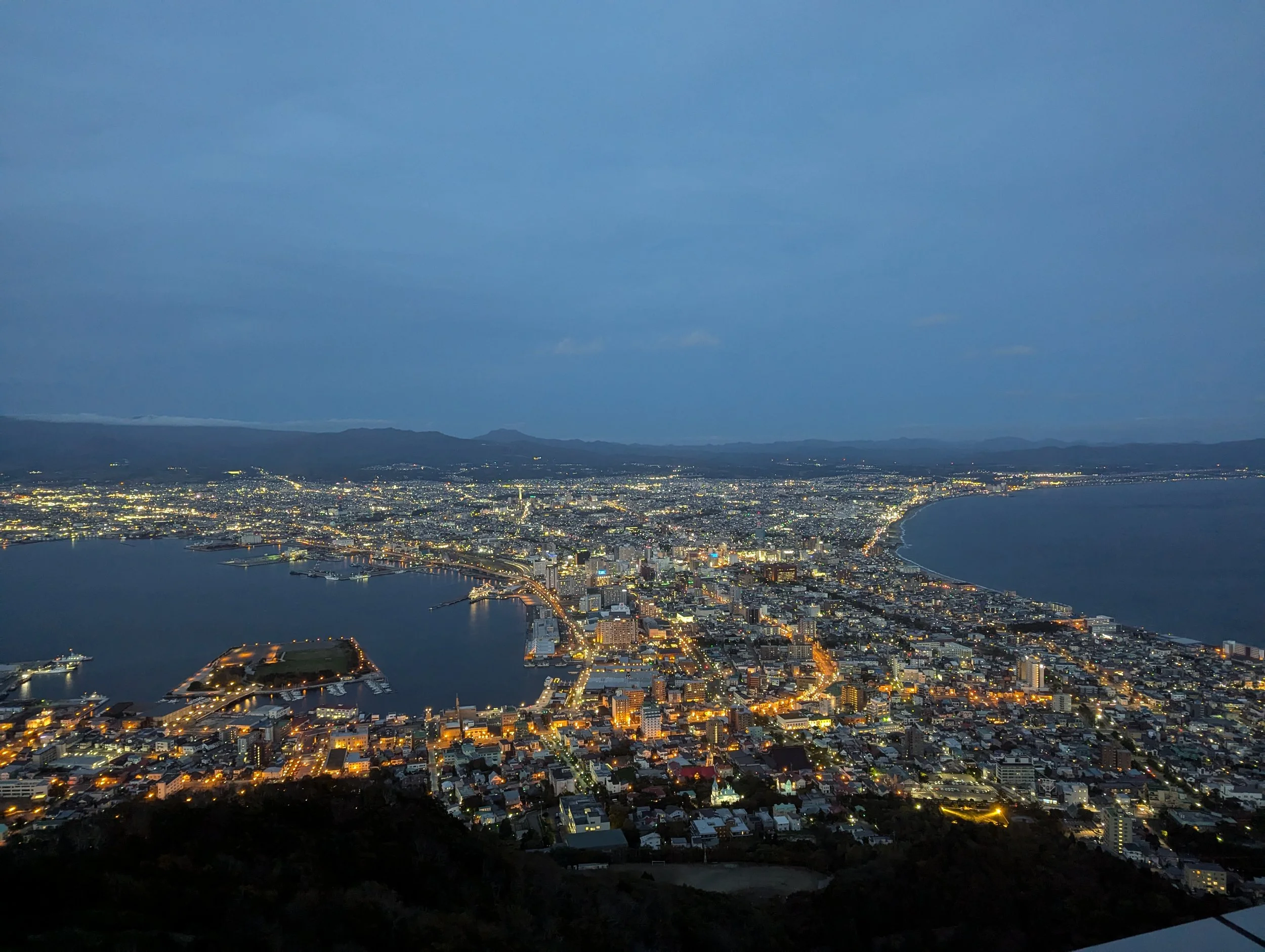
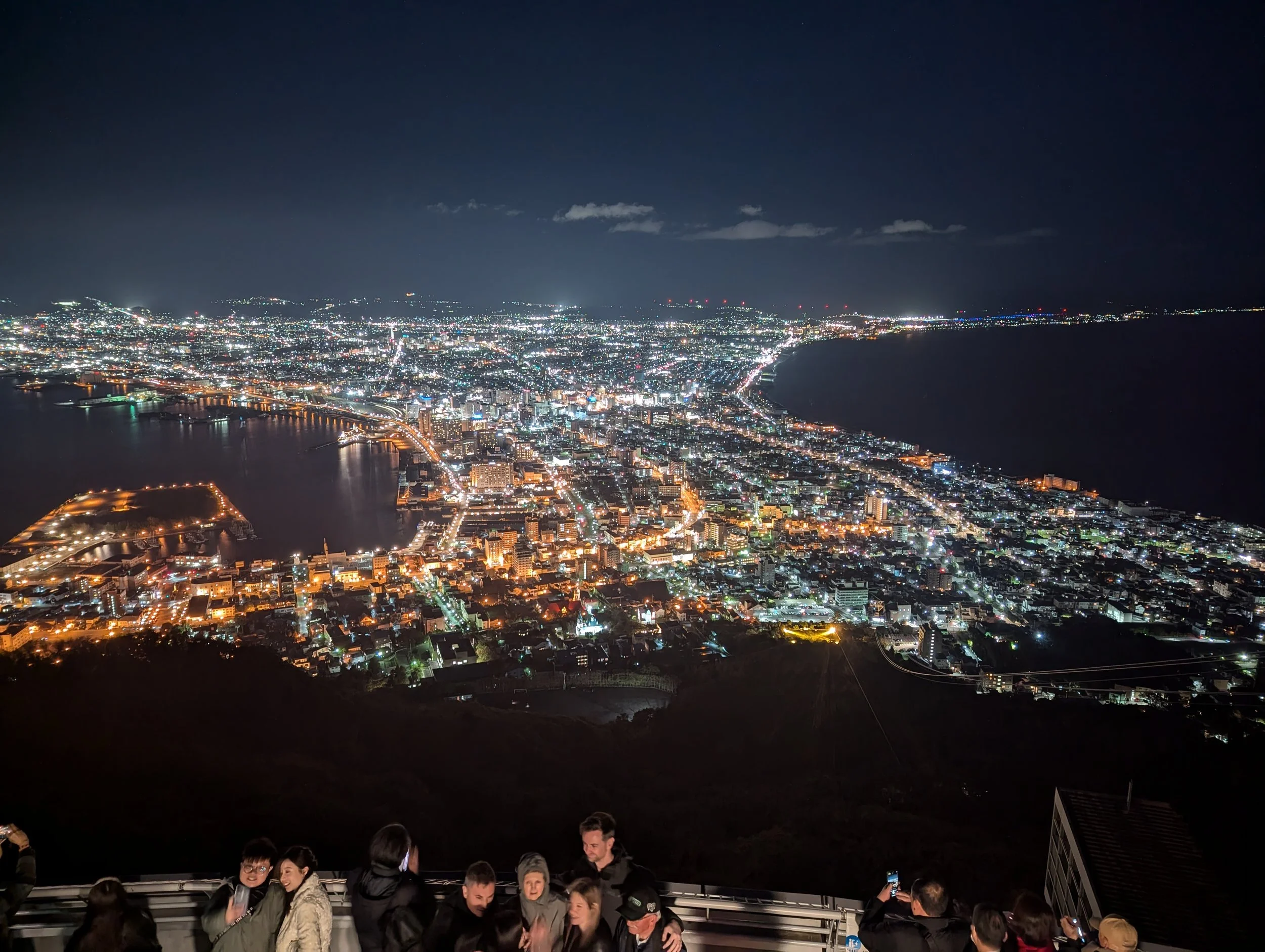
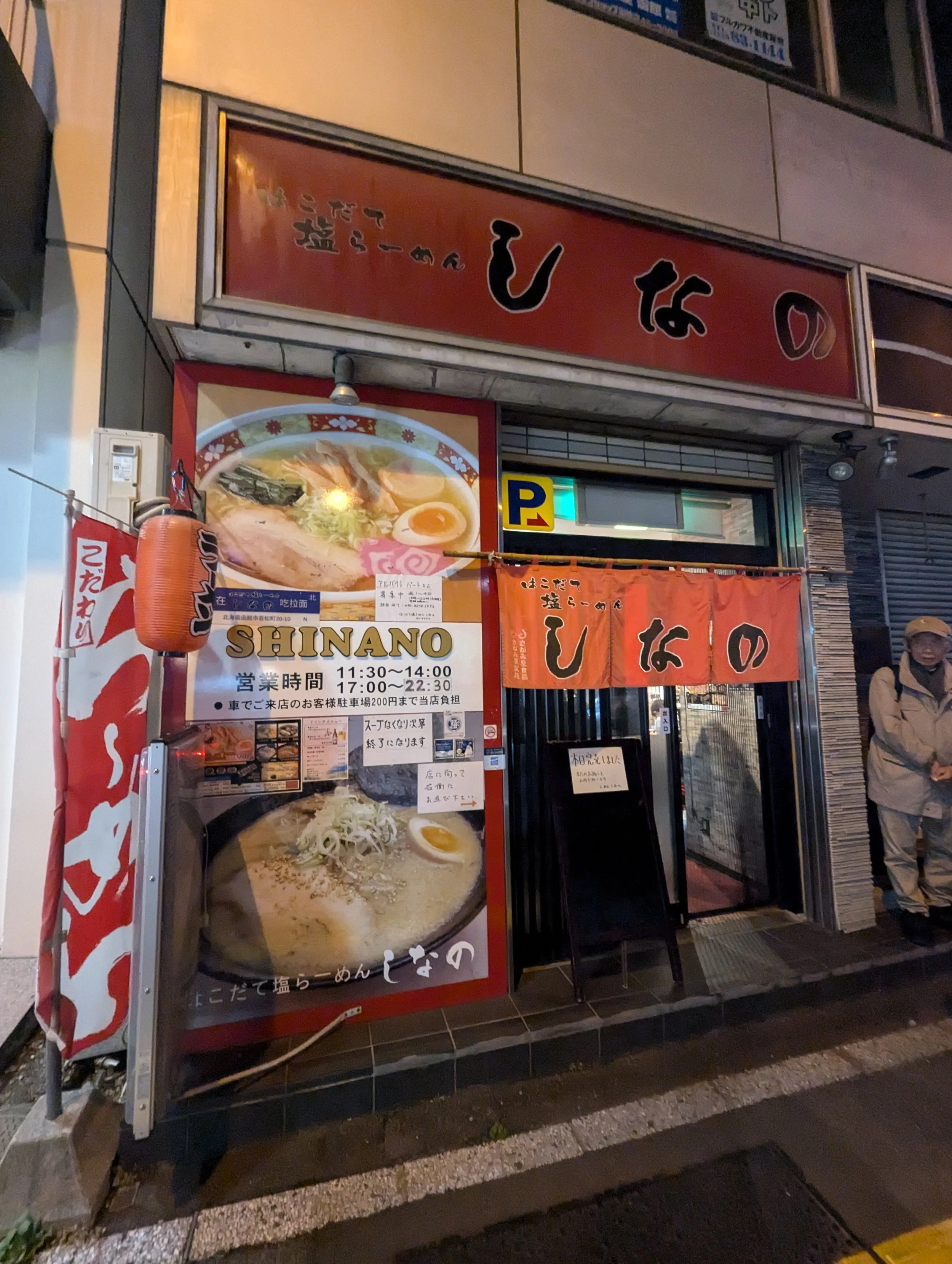
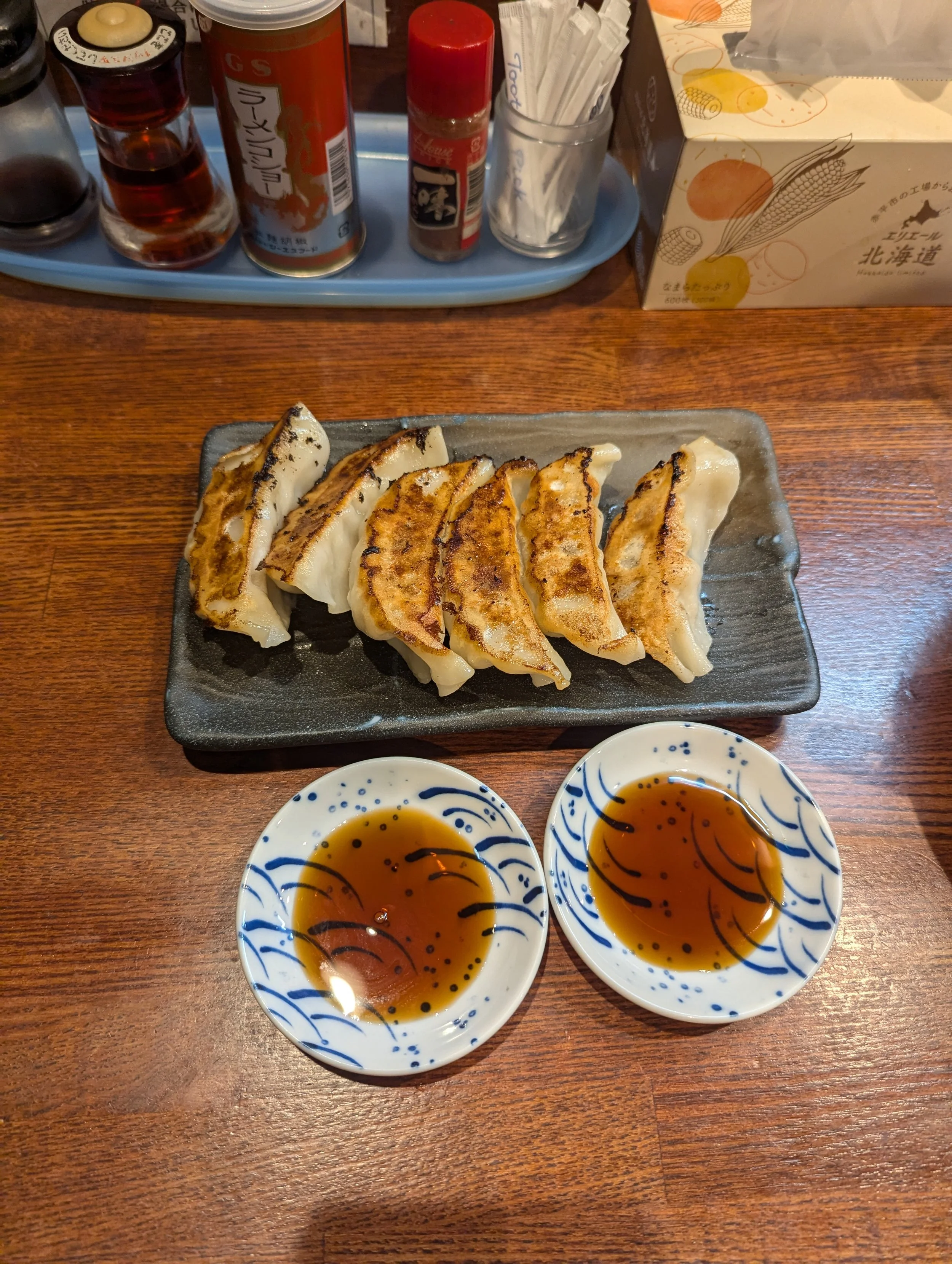
By 5:45 PM, after we had enjoyed the night view, the temperature had dropped to 55°F with a chilly wind. There was a long line for the bus that snaked around the landing area, as everyone had taken either the bus or taxi up (again, since the ropeway was closed). We boarded the bus back at 6:40 PM, returning to Hakodate Station by 7:15 PM. Across the street, we joined a small line at Shinano Ramen. There were six people in line ahead of us. Hakodate is known for shio ramen - not particularly my favorite, but we always make it a point to try the local favorites. By 7:40 PM, we were seated, enjoying delicious shio ramen (900 yen each) and sharing gyoza (500 yen). Both were incredible and really hit the spot, especially after waiting in the chilly evening air for our seats at the bar to open up! The shio broth was more complex than just “salt”, which I suppose is what my expectations were given my past experience with shio ramen. Here, though, it had dimension and - of course - umami and complexity and was perfect. Even the gyoza were perfect. The cozy spot had nine bar seats and three small tables, staffed efficiently by four team members. Our food arrived quickly, and as we left around 8:15 PM, the line had grown significantly.
Since the ramen shop was across the street from the bus station, and our hotel was across the street from the bus station on the other side, we were back at the hotel by 8:20 PM. Kevin called it a night around 9:30 PM. I spent some time catching up on e-school lectures before finally heading to bed at 10:20 PM. A day well spent in Hakodate, filled with local flavors, scenic views, and cultural discoveries!

Day 6 - October 22: Shiroi
Our morning in Hakodate started early—Kevin woke up at 5:30, which led to a discussion about breakfast options. We debated between purchasing a whole crab at the morning market to be cooked to order for us, another round of kaisendon, or the hotel breakfast. Ultimately, we decided to make the most of our time and returned to the market, this time selecting a different kaisendon restaurant. The market in the early morning is a peaceful experience, before the tour groups flood in. From our hotel window, we could see that while the market technically opens at 6 AM, not all the shops are open that early.
We left the hotel a little after 7 AM and were seated and ordering by 7:15. We both opted for a "make your own" bowl with ikura, uni, and crab. I got the small bowl (¥2,200), while Kevin went for the regular size (¥2,700). There was an upcharge for uni—¥300 for my bowl and ¥500 for his—but it was absolutely worth it. The uni here was noticeably better than yesterday's: sweeter, less bitter, and softer, with larger pieces. However, we both agreed that the ikura from yesterday was superior. The meal also included salted or fermented squid, which was surprisingly delicious. We’ve noticed that places here bring the check along with the food, a practice we’re now accustomed to, and in my opinion is efficient and productive so we can be on our way once we are ready, but to the foreigner it could seem like they are trying to rush you out. Luckily, we arrived just in time, as a line had formed outside shortly after we were seated. We finished eating at 7:45 and went back to the hotel.
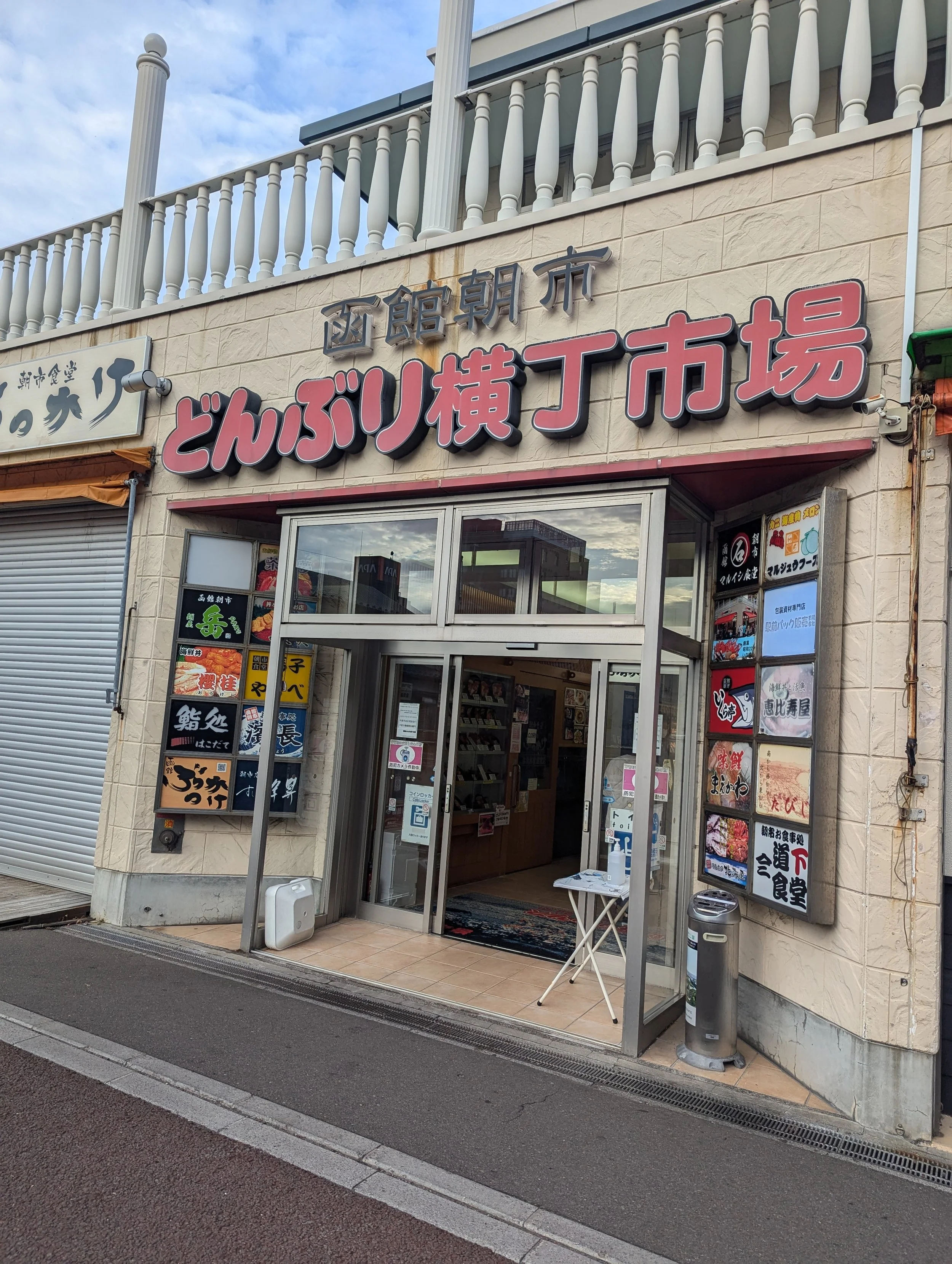


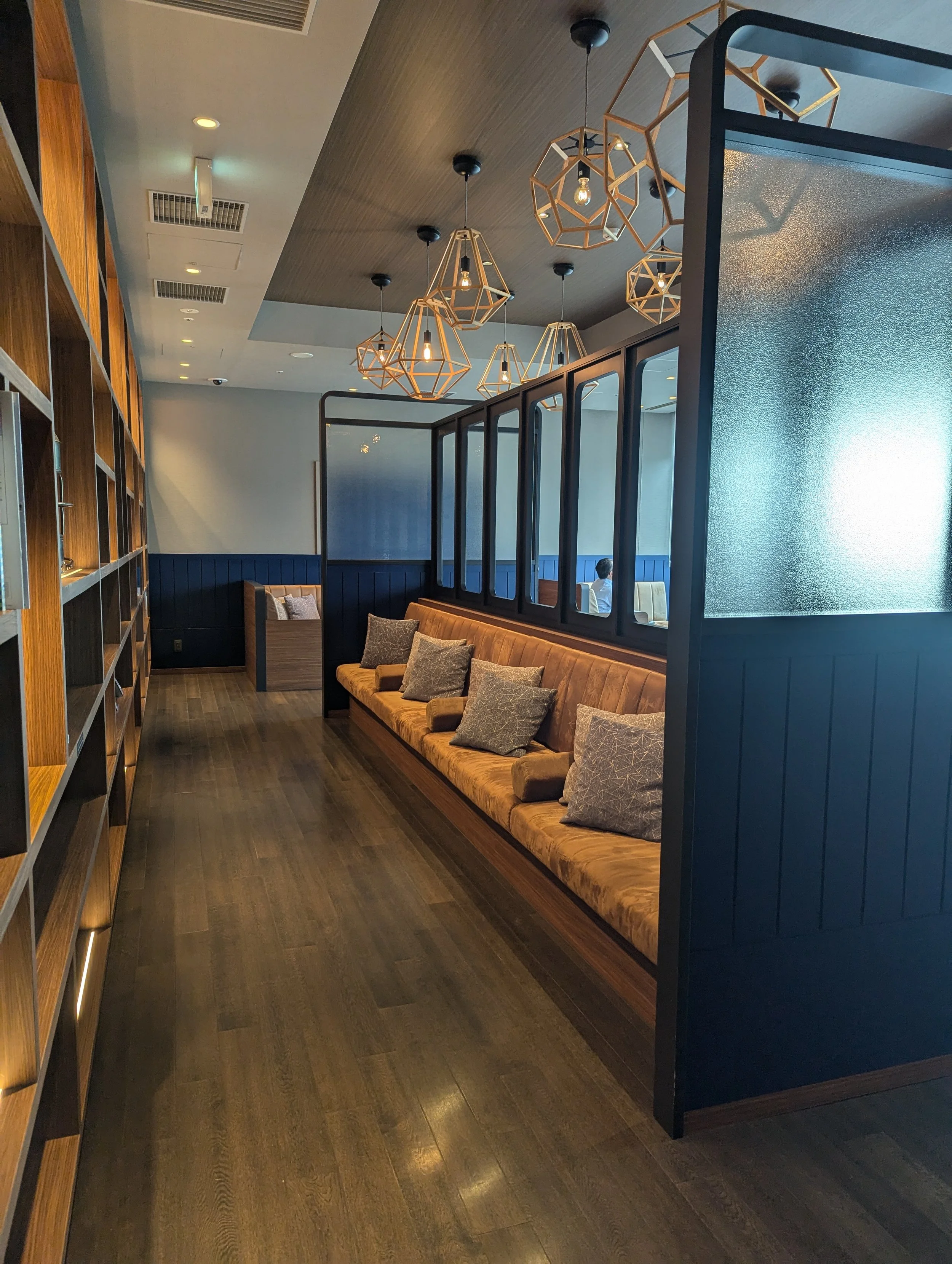
After breakfast, we decided to check out the hotel's 12th-floor lounge, which had a public bath and a coffee station. We didn’t check out the bath, but we enjoyed our coffee while taking in the panoramic views of the town, Mount Hakodate, and the Tsugaru Strait, which connects the Sea of Japan with the Pacific Ocean. It was a relaxing way to start the day.


We checked out of our hotel at 8:30 AM and walked a couple blocks to the rental car place. There were two people working the desk and a short line ahead of us, but we were on the road at 9, marking the start of our Hokkaido road trip! We worked our way northeast. By noon, we had arrived in Shiraoi. Before our trip, Kevin had stumbled across Amano Family Farm that had peaked our interest, and he waited until reservations had opened to snag one. Our lunch reservation was for 1PM. Since we had an hour to kill, we made a quick visit to the Upopoy National Ainu Museum.
The museum opened in 2020, and is dedicated to preserving and celebrating the history, culture, and traditions of the Ainu people, the indigenous group of Japan. "Upopoy" means "singing together" in the Ainu language, reflecting the museum's mission to revive and share Ainu heritage. The museum features exhibits that highlight Ainu history, language, crafts, and spiritual beliefs, and includes an outdoor area, where visitors can explore Ainu-style buildings, including a ceremonial house and traditional dwellings, as well as workshops and cultural activities led by Ainu people. The museum serves not only as a place of learning but also as a space for cultural exchange, emphasizing the importance of preserving the Ainu culture for future generations.


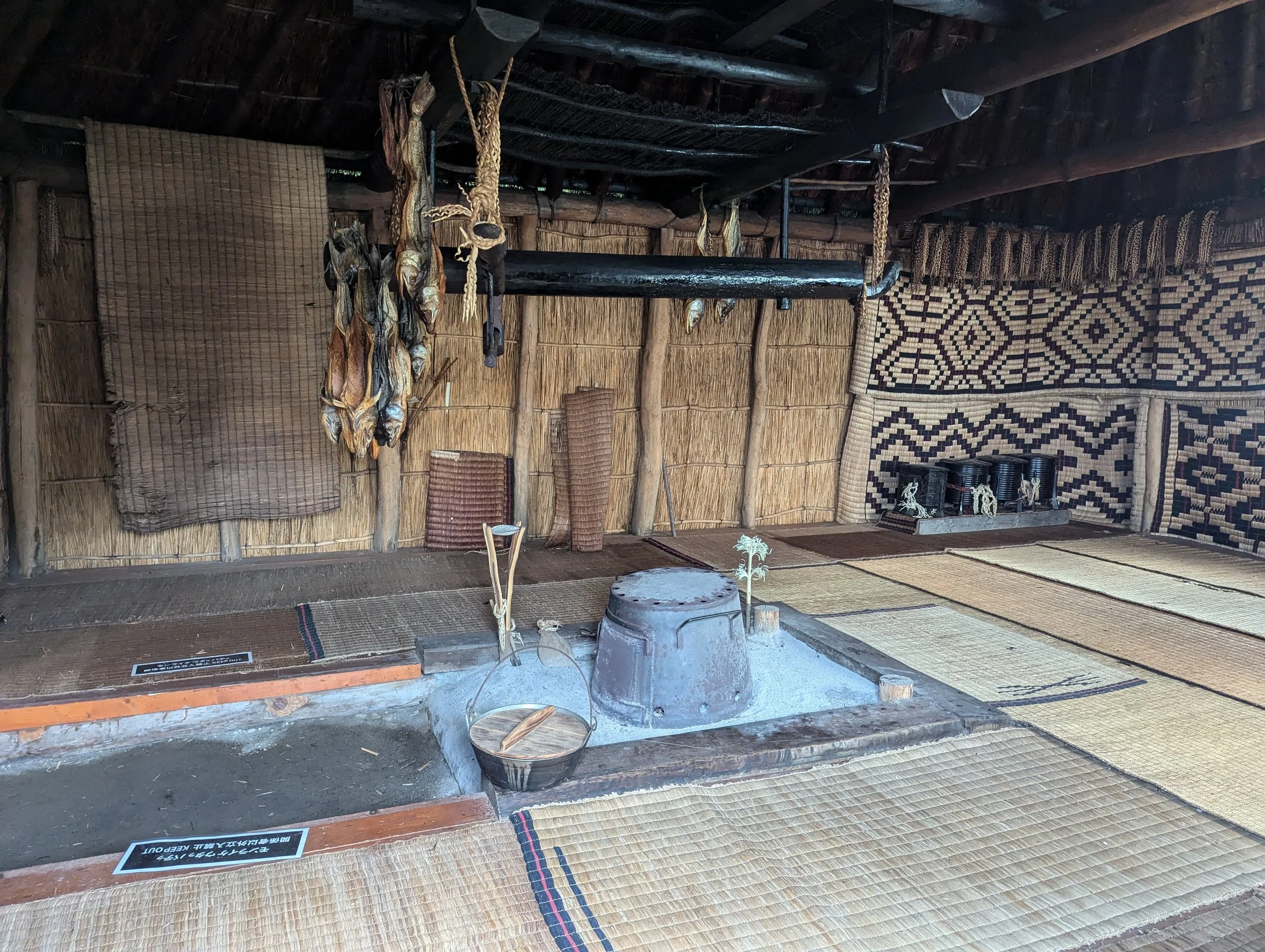
The museum is definitely worthwhile, but we had to rush through to make it to lunch. We prioritized the area of the “town” - what homes looked like, how they stored their food and bears. On our way out of the museum to head to lunch, we saw that our admission ticket would allow us to return after lunch. It’s conveniently located just 10 minutes from the restaurant.
A reservation at Amano Family Farm is definitely the way to go—the main dining area was packed. We were a couple of minutes late (arriving at 1:06), but the staff was too busy to notice or care. We were promptly taken to our table in the annex, which had only three tables. We sat on the floor with cushions, in the traditional Japanese style, around the low tables with built-in grills in the center.

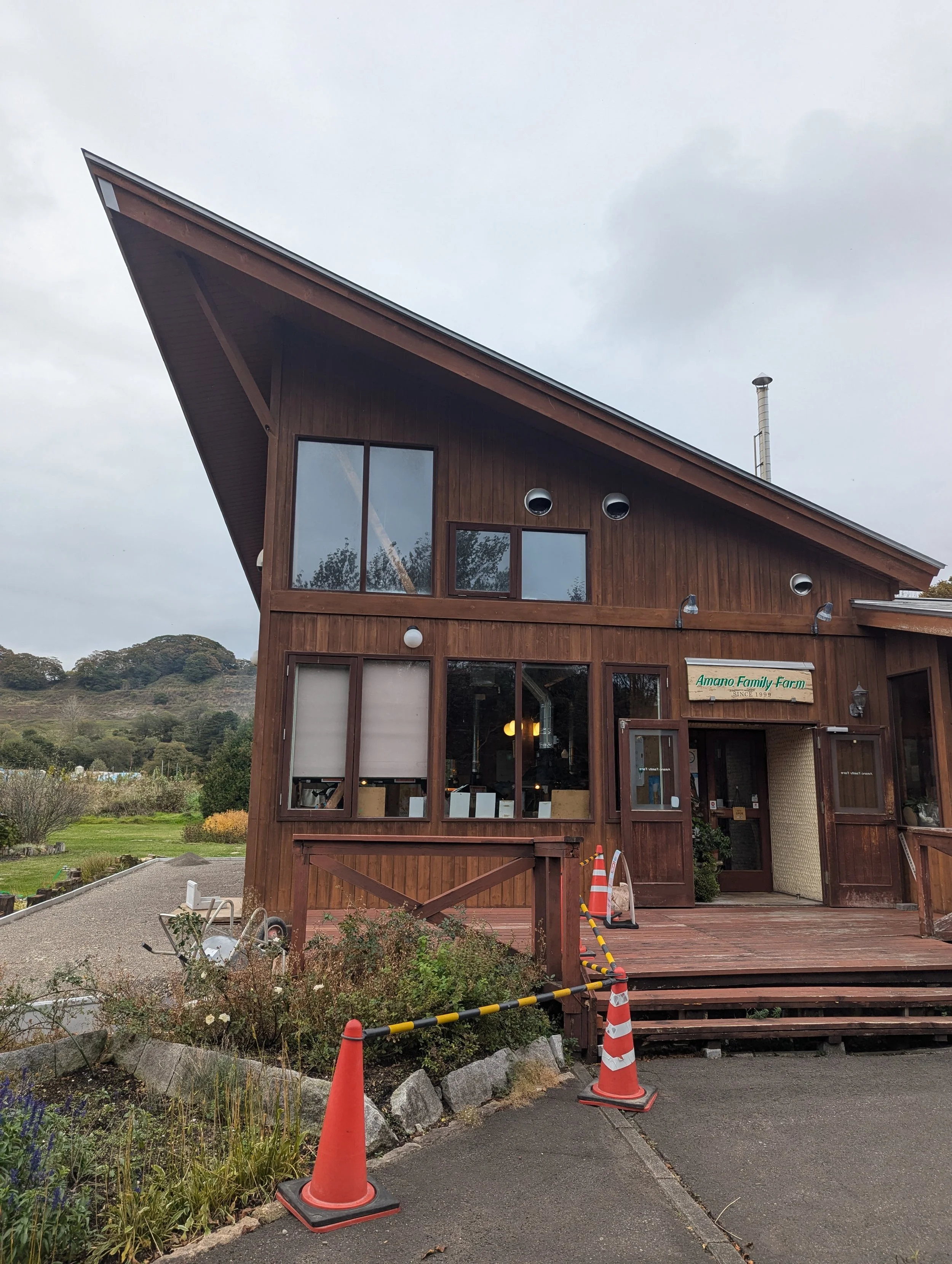
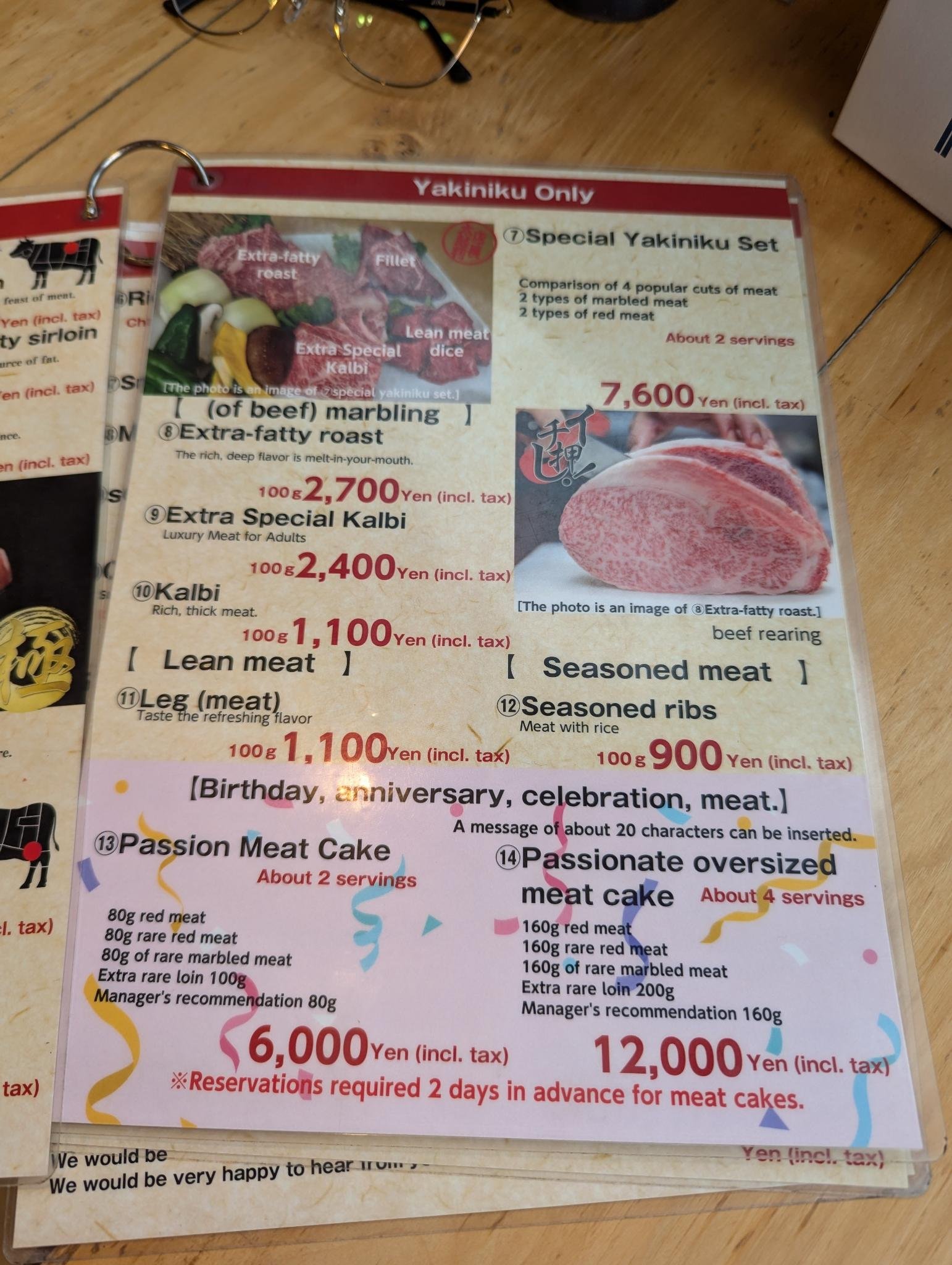
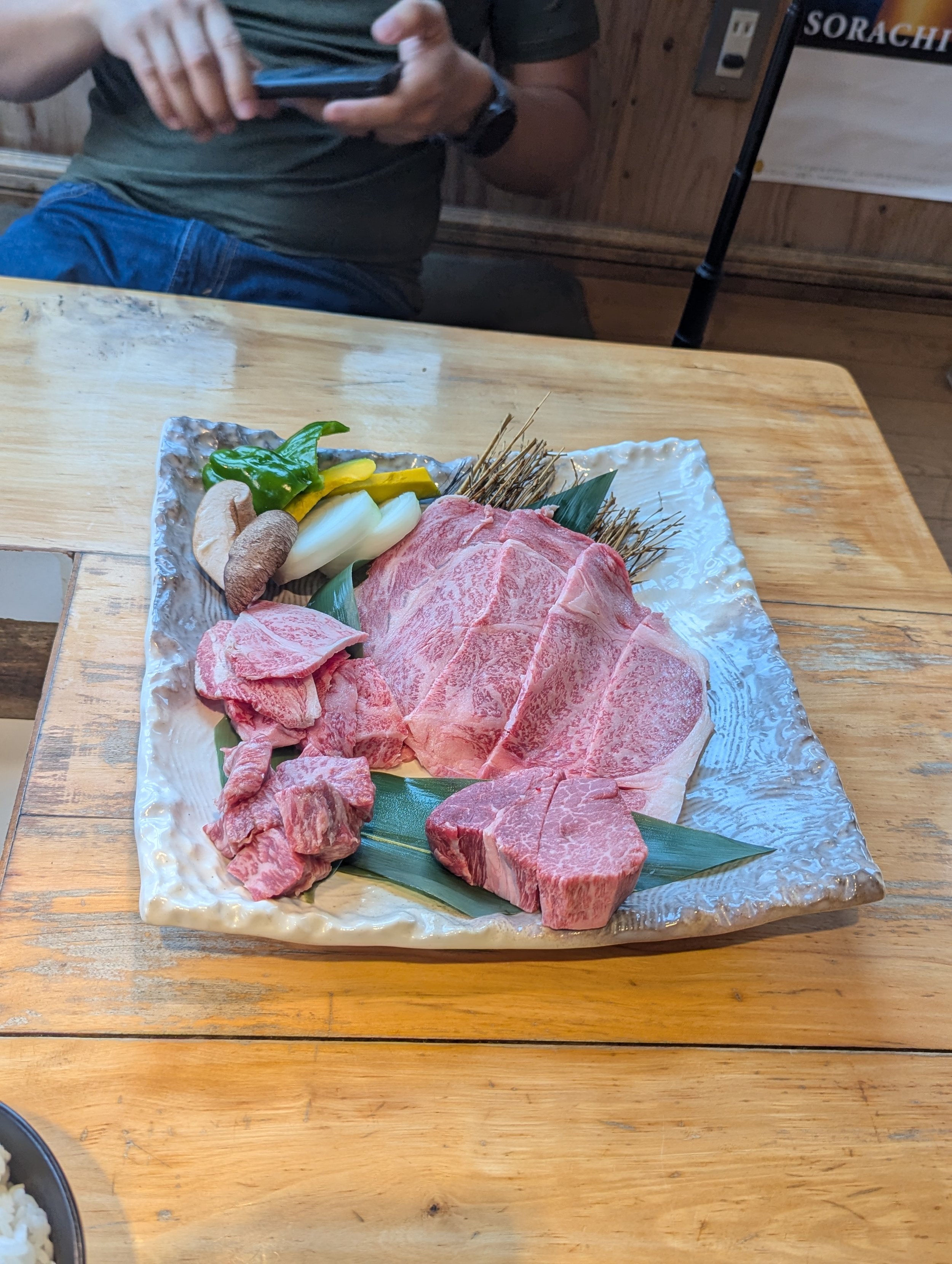
We ordered the special yakiniku set, which featured four different cuts of wagyu, all of which were excellent. I tried a melon soda (¥300), while Kevin opted for tea (¥300). Before leaving, we treated ourselves to Hokkaido milk ice cream (¥450), which was rich and creamy. Beyond the delicious beef, the farm provides a beautiful, serene setting where you can enjoy stunning views of the surrounding countryside, making the meal a complete sensory experience—combining top-tier food with the charm of rural Japan.


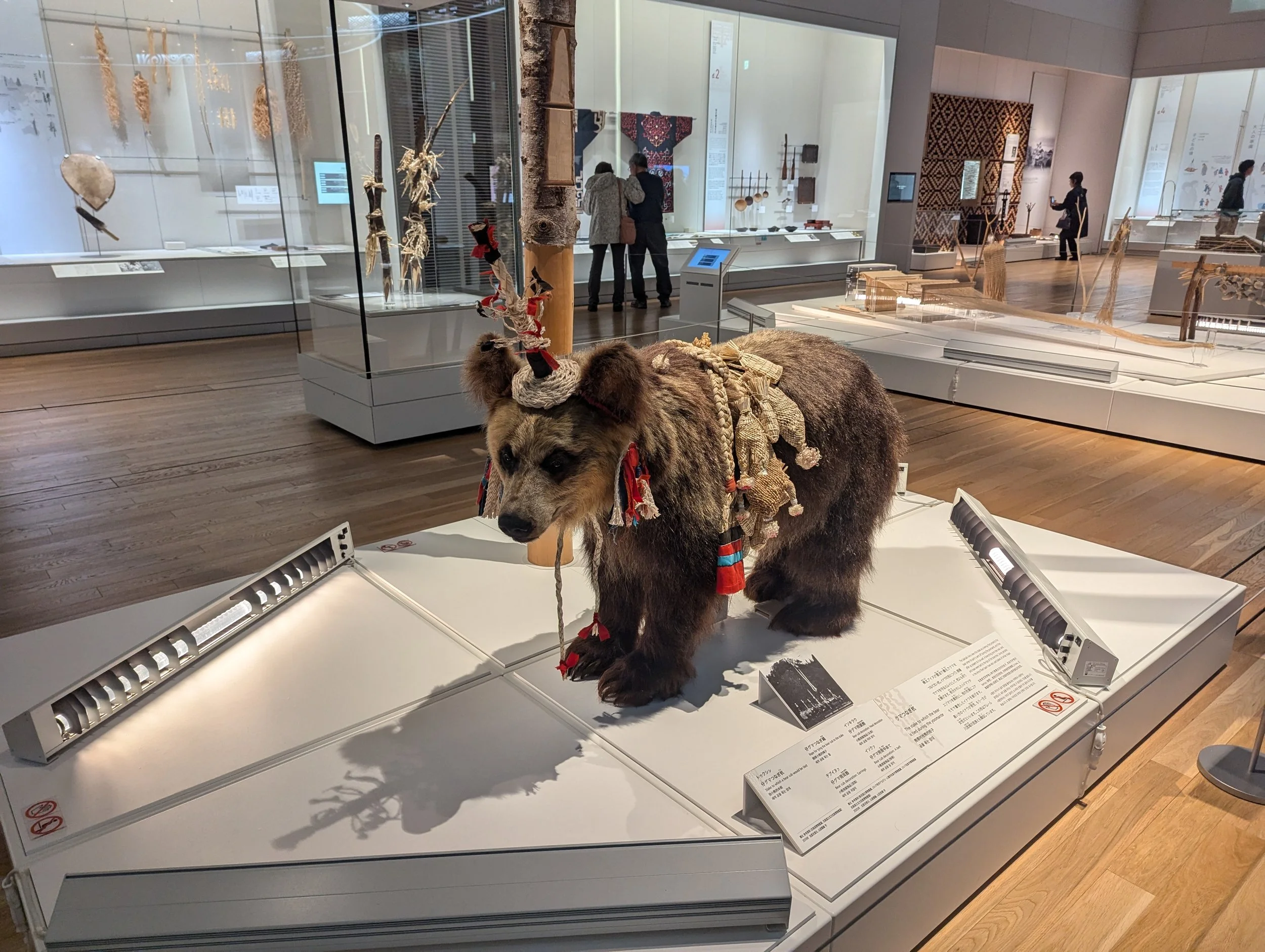
Originally, our plan included visiting Noboribetsu today, but after lunch, we decided to return to the museum instead and save Noboribetsu for the following day. We arrived back at Upopoy around 2:30 PM and spent another hour exploring. The museum sheds light on the history and struggles of the Ainu people, who have faced discrimination and continue to fight for recognition. The museum sheds light on the Ainu's struggle to preserve their identity and rights throughout Japan’s history, particularly during periods when their culture was suppressed and marginalized. Through exhibits, personal stories, and multimedia displays, visitors learn about the hardships the Ainu faced, including forced assimilation and land displacement, as well as their resilience in the face of these challenges.
My favorite part was learning about the craftsmanship, spirituality, and art. The museum showcases how the Ainu traditionally made tools and household items, with intricate details on the methods used to craft everyday tools to build, cook and hunt, clothing, and ceremonial objects. Visitors can also learn about Ainu spirituality, which is deeply connected to nature and ancestral worship. The exhibits explore the role of animals, plants, and natural elements in Ainu rituals and beliefs.


By the time we finished going through the exhibits, it was 3:45 PM. We hit the road again to make it to our final sop of the day, Lake Toya.
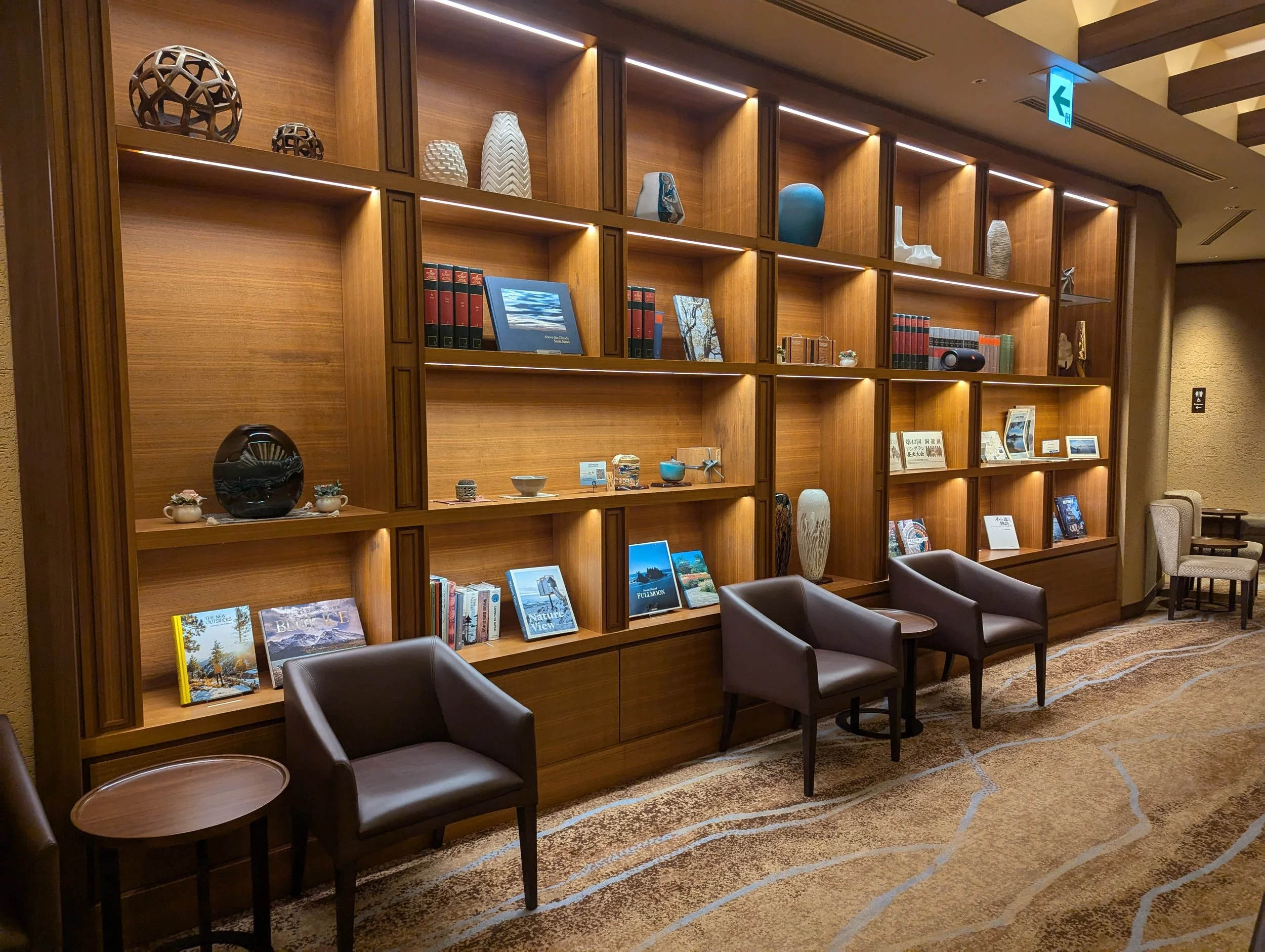
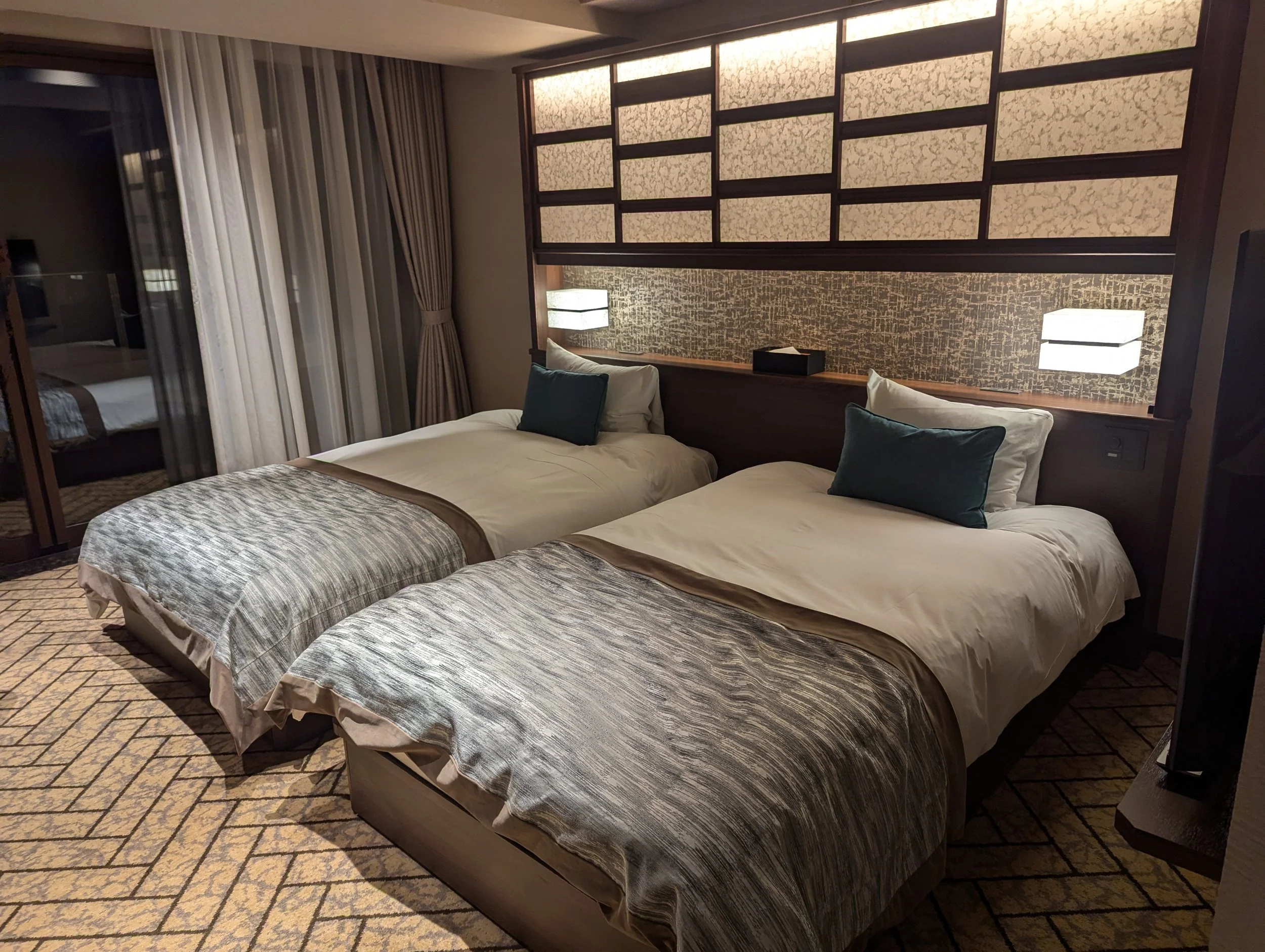
We arrive at our ryokan, The Lake Suite Ko No Sumika, at 5 PM. It doesn’t look like much from the road, but from the moment the automatic doors part, you are immersed in elegance and zen. First, you step into a “courtyard” which has a waterfall wall and a stone pool with a walkway. Passing the second set of automatic doors, you are inside facing floor to ceiling windows overlooking the lake. In the lobby, those magnificent windows continue, behind reception, in the sitting area where there is coffee and a large bookshelf on the opposing wall. The staff was waiting to greet us, and our luggage was brought to our room—#707—shortly after our arrival. Our room was relaxing and luxurious. It had the dark wood, dark gray stone complementing light textured wallpaper. Our balcony faced the lake and we had a private open air bath. We took some time to explore the both buildings on the property before our 6 PM dinner.

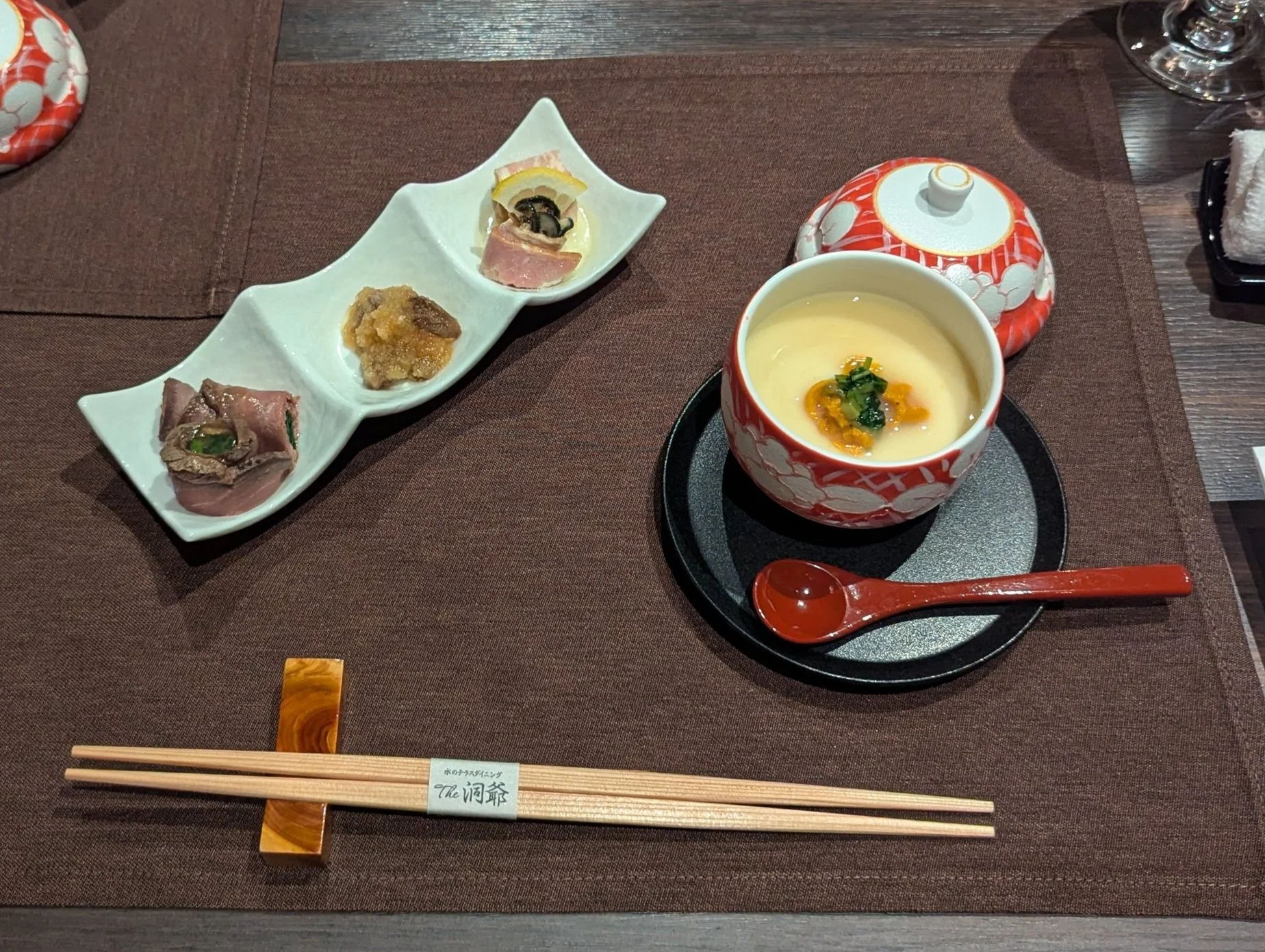
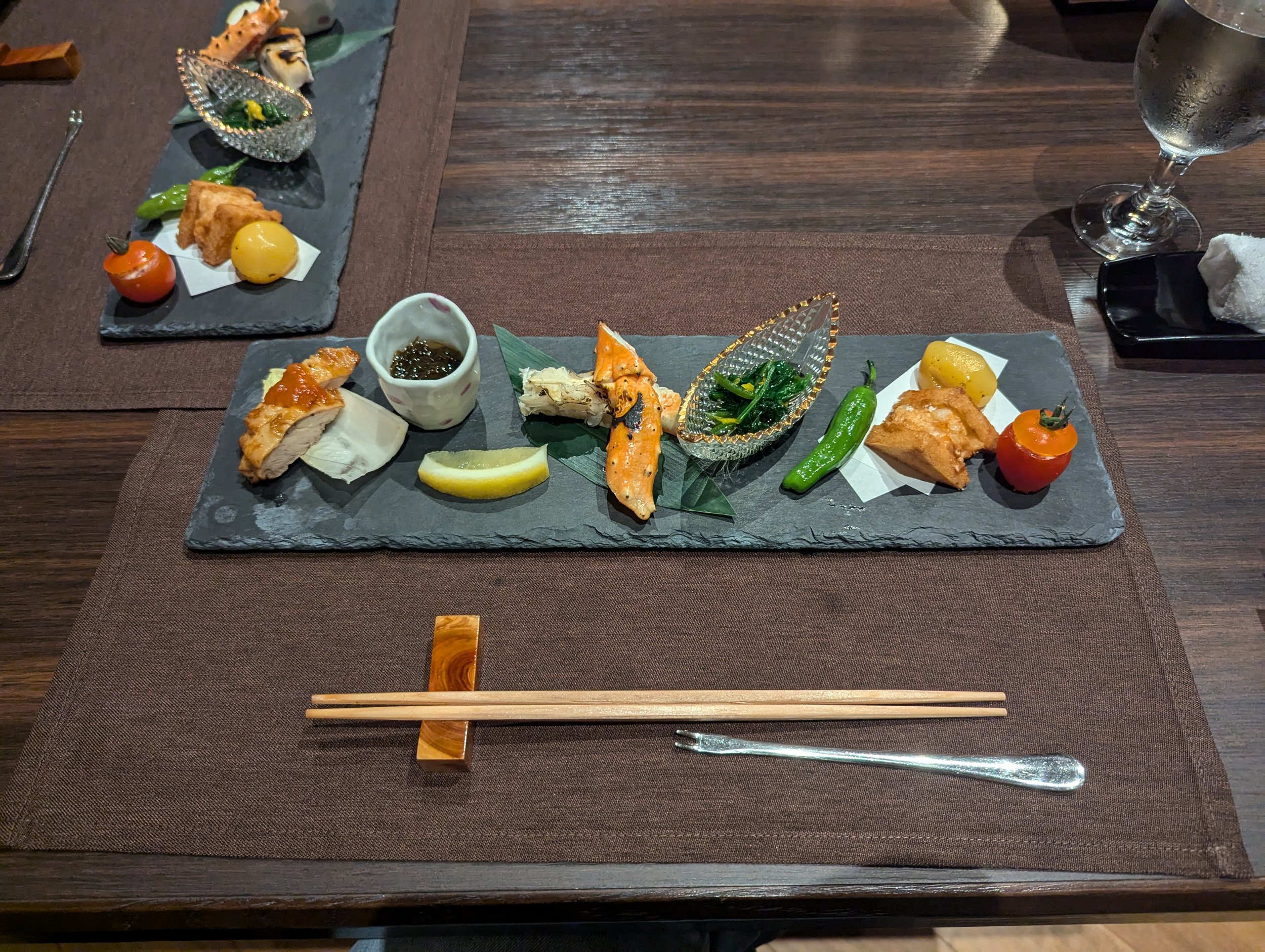
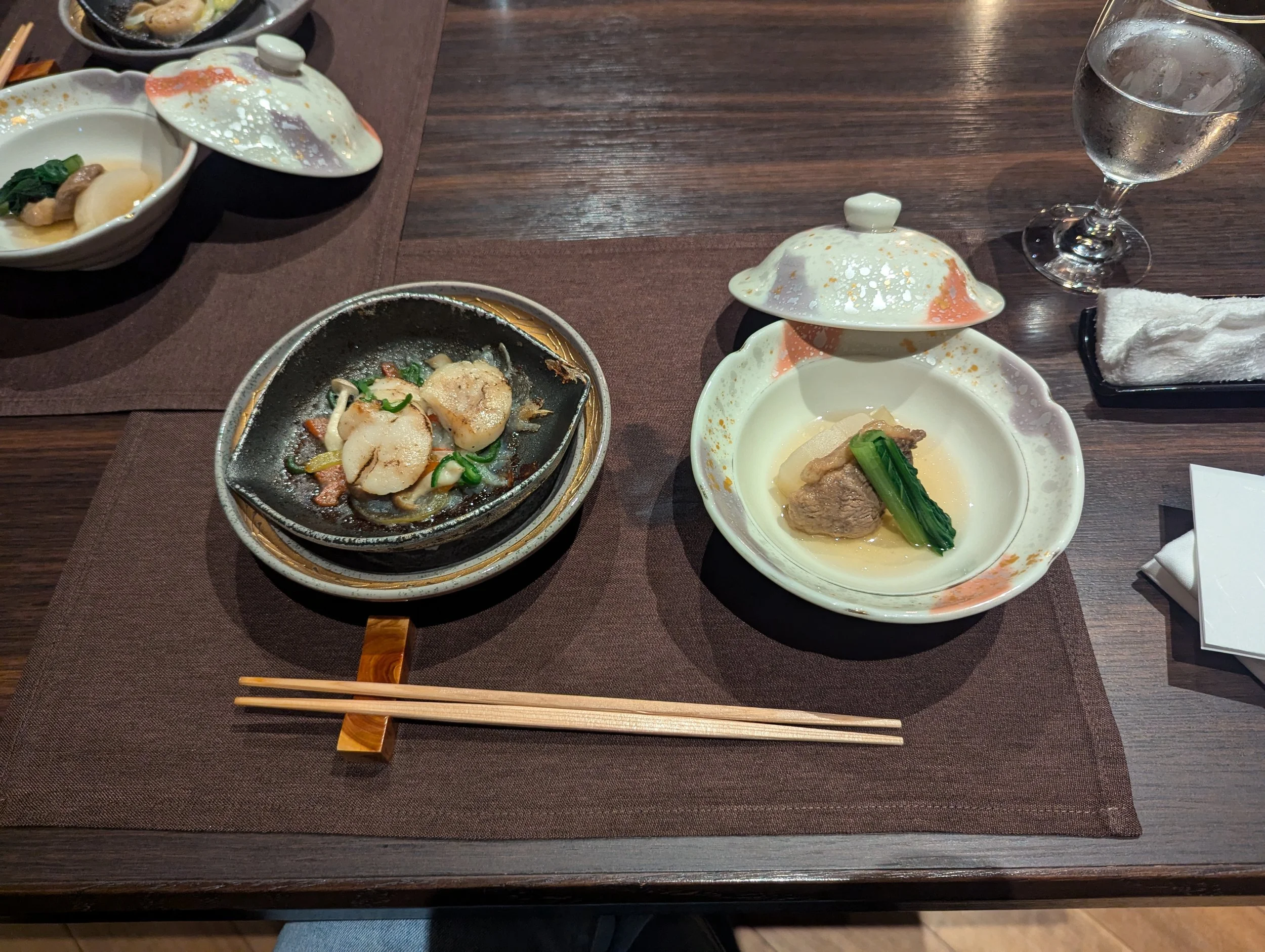
Our keiseki dinner was an unforgettable experience with a beautifully curated menu:
Appetizers: Venison, Japanese radish with mushrooms, and bacon-wrapped oyster in olive oil.
Chawanmushi: Steamed egg custard with mushrooms and uni.
Soup: broth with mushrooms and prawn, drizzled with setouchi.
Sashimi: Shrimp, tuna, clam, trout, Pacific sanma (which had a rich, oily taste similar to mackerel), and sea bream with soy sauce and ponzu.
Hot Dishes: Duck with braised turnip (the turnip was the start of the dish - amazingly tender and juicy), scallop, grilled chicken with tomato sauce, pickled seaweed, grilled crab, boiled vegetables, and deep-fried shrimp paste sando. There was also a chestnut pickled in brandy, which was a unique and flavorful bite.
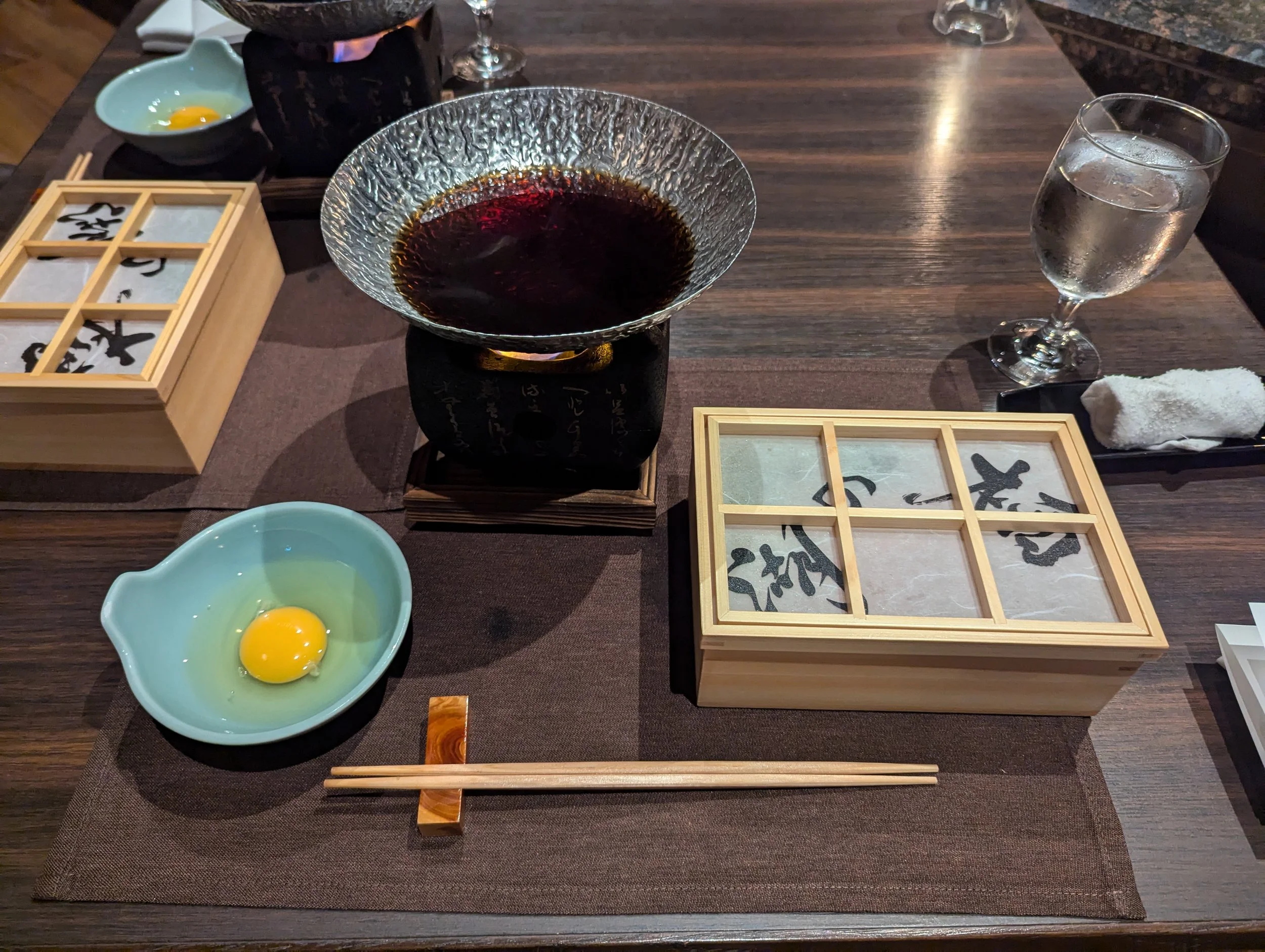
Meat Course: Sukiyaki.
Rice Course: Matsutake rice with ikura, pickles, and miso soup.
Dessert: Yokan, framboise cake, and shiny muscat grapes.
Our server, Sato from Sendai, was fantastic—his English was excellent, and he explained each course in detail. He had such a warm personality and embodied hospitality.



After dinner, we showered and got ready for the nightly fireworks show, which ran from 8:45 to 9:05 PM. The experience of watching fireworks over Lake Toya was truly magical. To wind down, we soaked in the onsen before calling it a night at 10:30 PM.
This day was packed with cultural experiences, incredible food, and breathtaking scenery—a perfect blend of everything we love about Japan.
Day 7 - October 23: Lake Toya and Noboribetsu
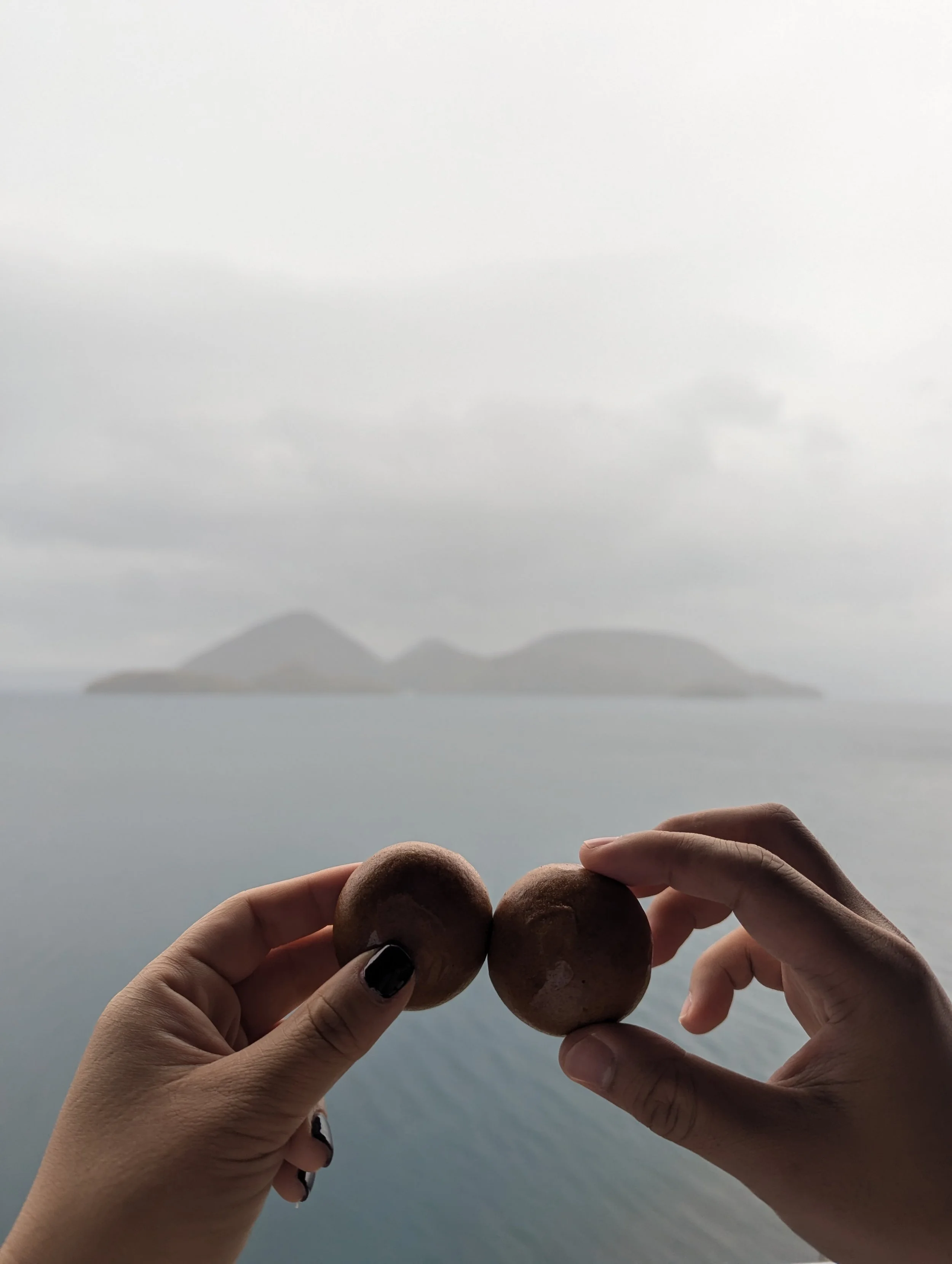
We woke at 6:20 to a misty, overcast morning over Lake Toya. I had planed to time-lapse the sunrise over the lake, but the weather had other ideas. With thick clouds hanging low over the water, we adjusted our expectations and embraced the peaceful, moody, rainy vibes of the day.
At 6:50, we made our way to the top-floor public bath. This bathhouse offered both indoor and outdoor options, each with its own appeal. Inside, there was a cold plunge and a dry sauna, while the outdoor section featured a lay-down bath with bubbling jets and an infinity pool that overlooked the lake. Watching the clouds roll in over the golden and russet foliage of the mountains was a serene way to start the day.
After starting the day off with a relaxing soak and fresh air, we went to breakfast. At this property, both buildings (Lake Suite Ko No Sumika and its sister hotel) share a breakfast facility. It is a breakfast buffet, featuring all sorts of foods. The highlights for us were the corn soup, make-your-own kaisendon with an assortment of fish - of course for us the star was ikura - grilled mackerel, a noodle station, and a made-to-order onigiri station.
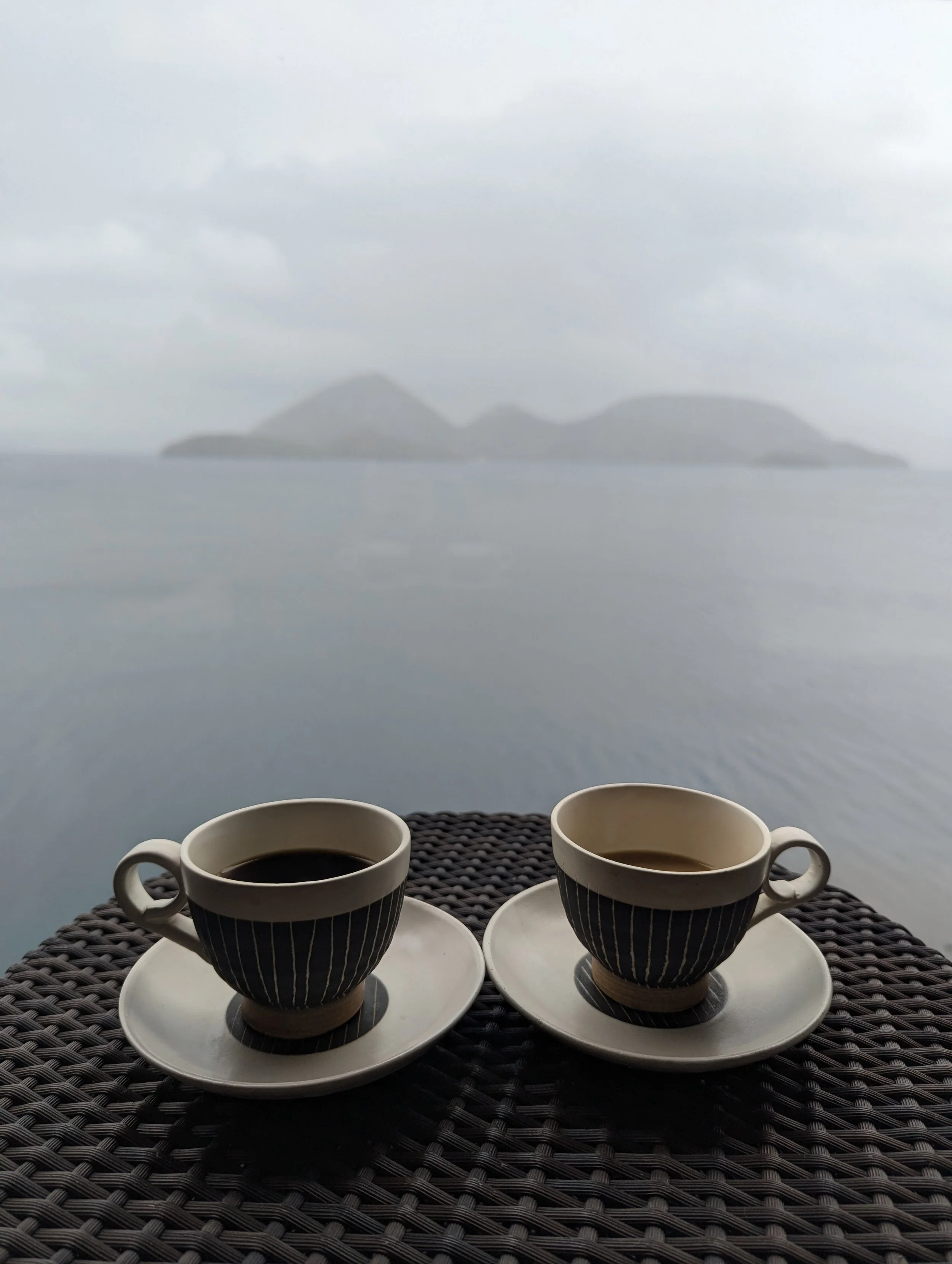
Back in our room, we brewed their specialty coffee with a hand grinder and enjoyed a leisurely morning on our balcony. We sipped our steaming cups of coffee while soaking in the majestic, tranquil and moody vibes of the lake. We indulged in one last onsen soak before checking out and heading towards Noboribetsu.

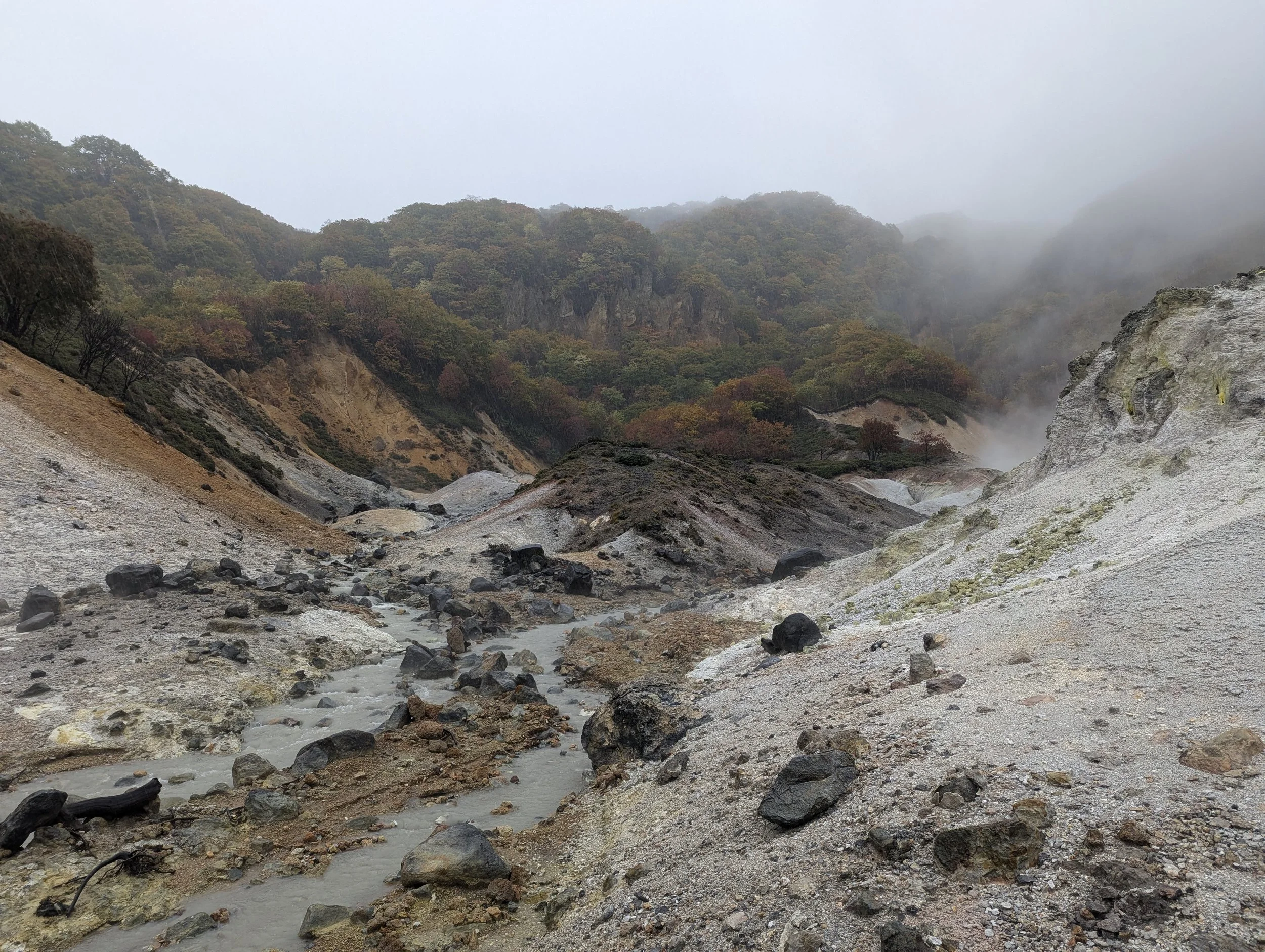
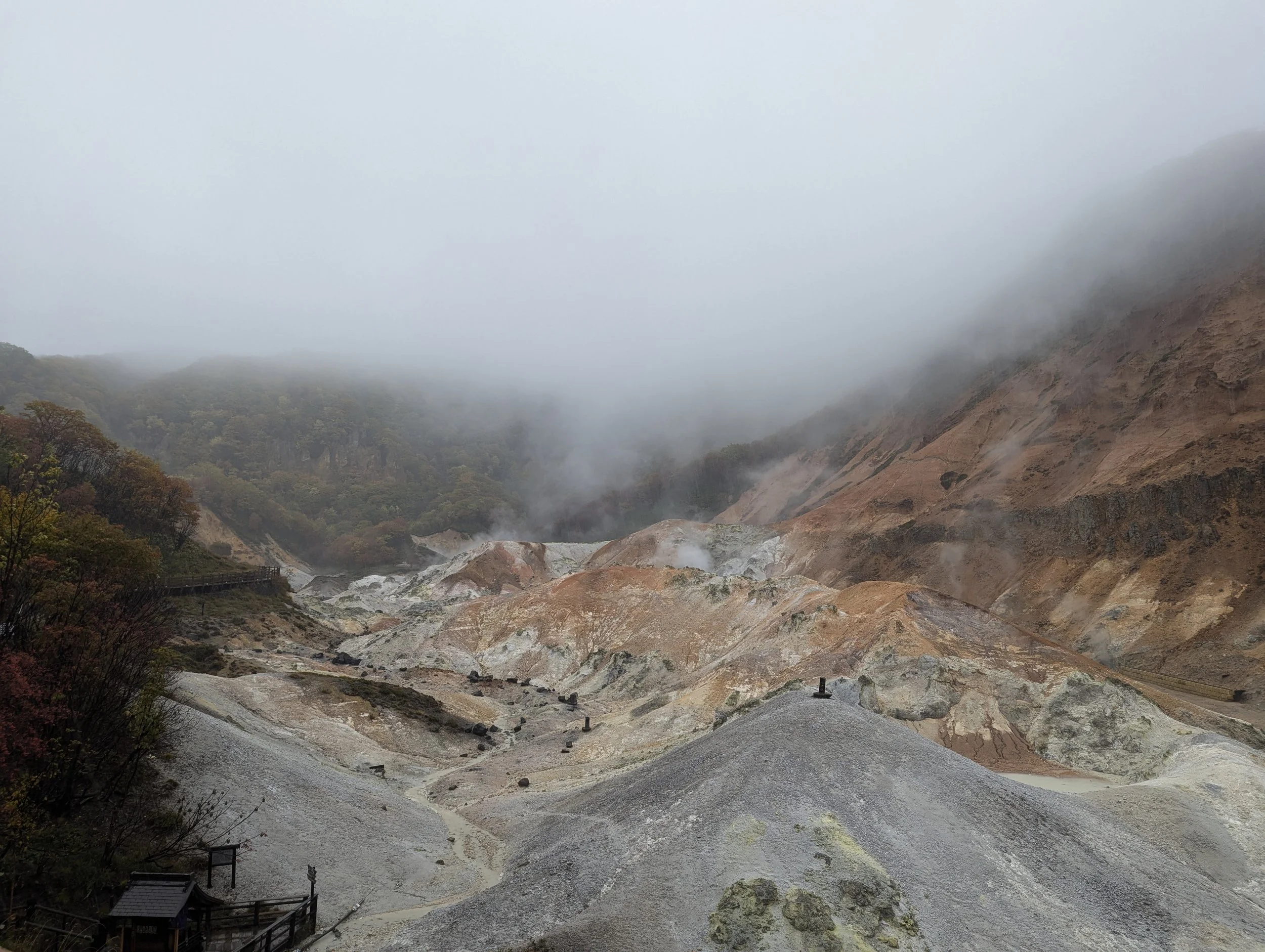
By noon, we arrived in Noboribetsu and the light rain we experienced at Lake Toya had developed into a full blown downpour. Before doing any exploring, we made a quick stop at 7-11 for umbrellas and onigiri—essential rainy-day provisions. Noboribetsu is a geothermal area with steaming vents, bubbling sulfuric springs, and dramatic volcanic landscapes, known for its natural hot springs. We parked in P1 for 500 yen and set off to explore Jigokudani, the "Hell Valley" of Noboribetsu, part of the Shikotsu-Toya National Park. There are several parking areas, all of which are close to each other and close to the entrance of the park. On this particular day, because of the weather, there weren’t many visitors and only P1 was open. Unlike Yellowstone, the sulfuric smell here was much milder, making for a more pleasant walk through the steaming, otherworldly landscape. The autumn colors were striking, though hard to capture in photos due to the mist rising from the geothermal vents. The rain added an eerie beauty to the scene, intensifying the rich hues of the wet foliage. There are marked trails and walkways throughout the park that go around and up close to the geothermal features. We only did a short section of the trail because of the rain - there is plenty to explore.

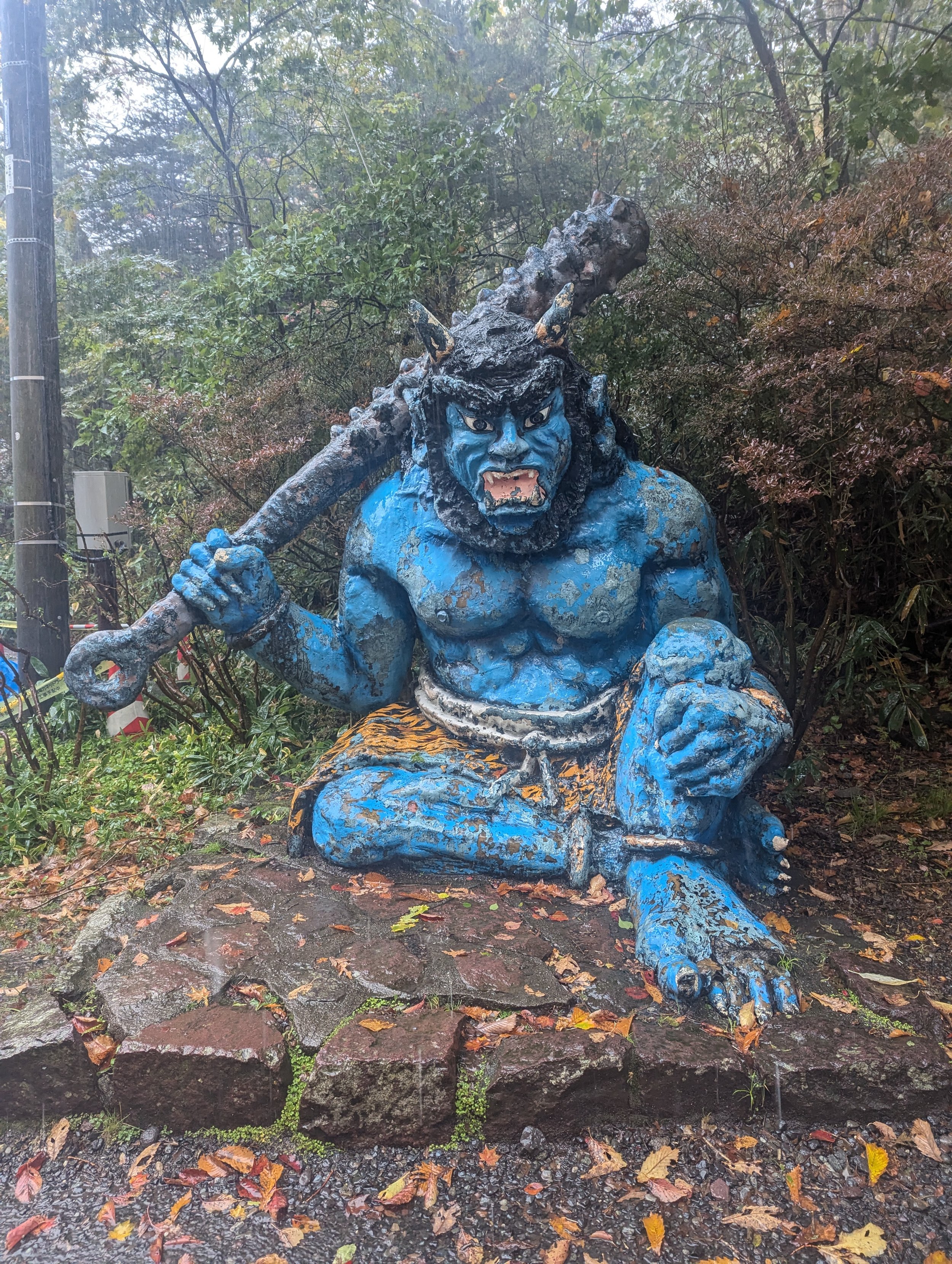
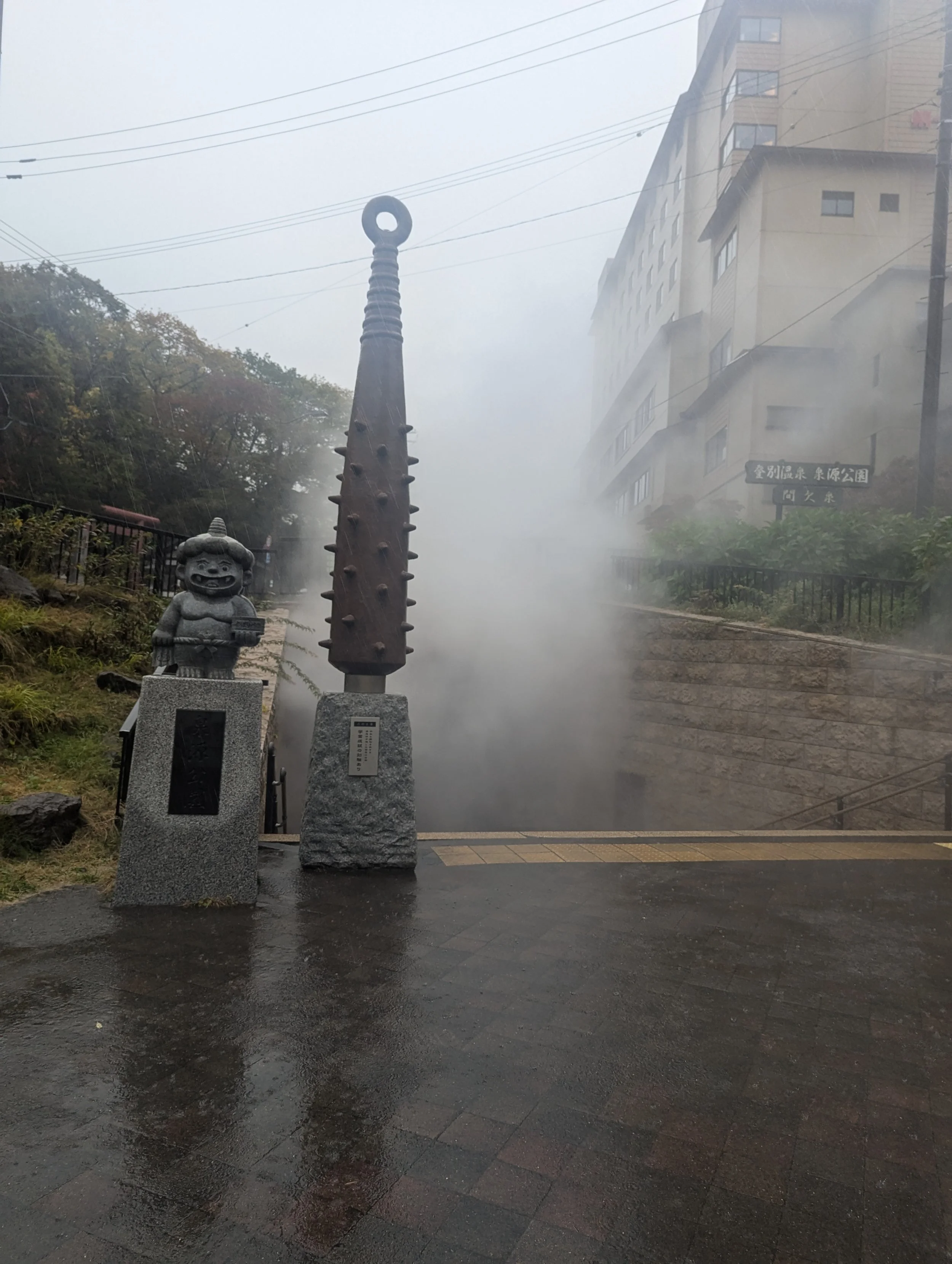
Noboribetsu is also known for oni, or demons, that are deeply connected to the town’s identity and Jigokudani. In Japanese folklore, oni are supernatural creatures often associated with hell, and since the steaming, sulfuric landscape of Jigokudani resembles a scene from Japanese depictions of hell, the town has embraced the oni theme. While they look scary, the oni in Noboribetsu are seen as guardians of the hot springs, watching over the town and ensuring the healing waters continue to flow. The red oni (akaoni) symbolizes strength, protection, and warding off evil, while the blue oni (Ao-oni) represents intelligence, calmness, and healing. There are oni statues all around town, including a huge one as you get off the highway, and oni manhole covers. In Sengen Park, there is an oni that “breathes” the steam from the hot spring below.

Originally, we had planned to take a trail to visit Oyunuma Pond & River Oyunuma, s sulfuric hot spring lake and a warm river where you can soak your feet. We opted to skip it since we were completed soaked.
By 1:30, we were done exploring. Kevin had to wring out his socks after getting them soaked in the rain. Given the weather and poor visibility, we decided to skip Lake Shikotsu (driving along Lake Shikotsu is supposed to be one of the most picturesque drives of Hokkaido) and the Hill of the Buddha, opting instead to head straight for Sapporo.
We arrived at the Sapporo Olympic Museum around 4PM and found parking conveniently located across the street. The museum showcases the history of Sapporo’s 1972 Winter Olympics, featuring interactive exhibits where visitors could test their skills at ski jumping and bobsledding, virtually. It was a fun way to stay dry and learn more about Japan’s winter sports legacy. We rode the chairlift to the top of where the ski jump was held. There is a lodge that serves warm drinks and an observation deck overlooking the city.
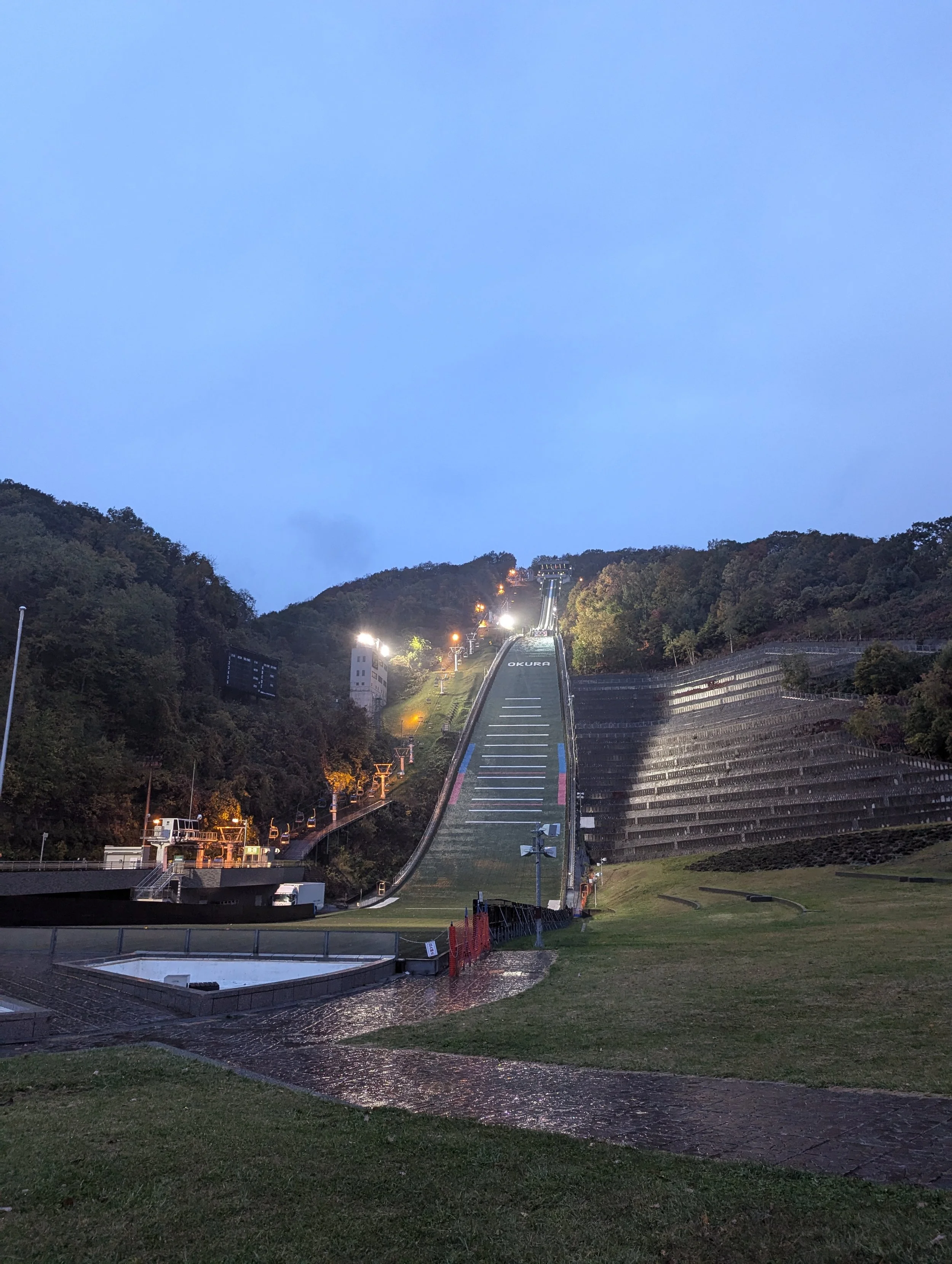
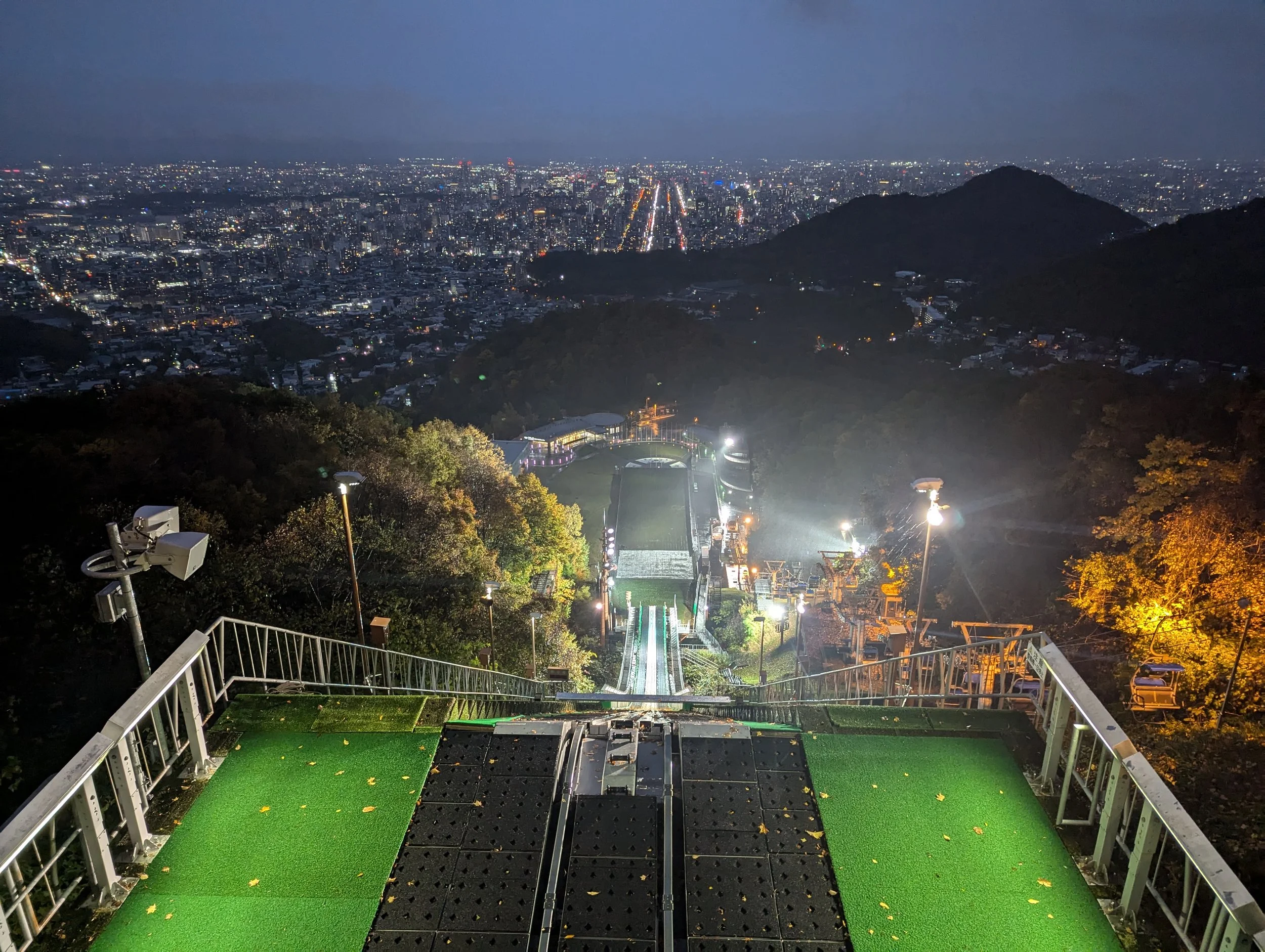
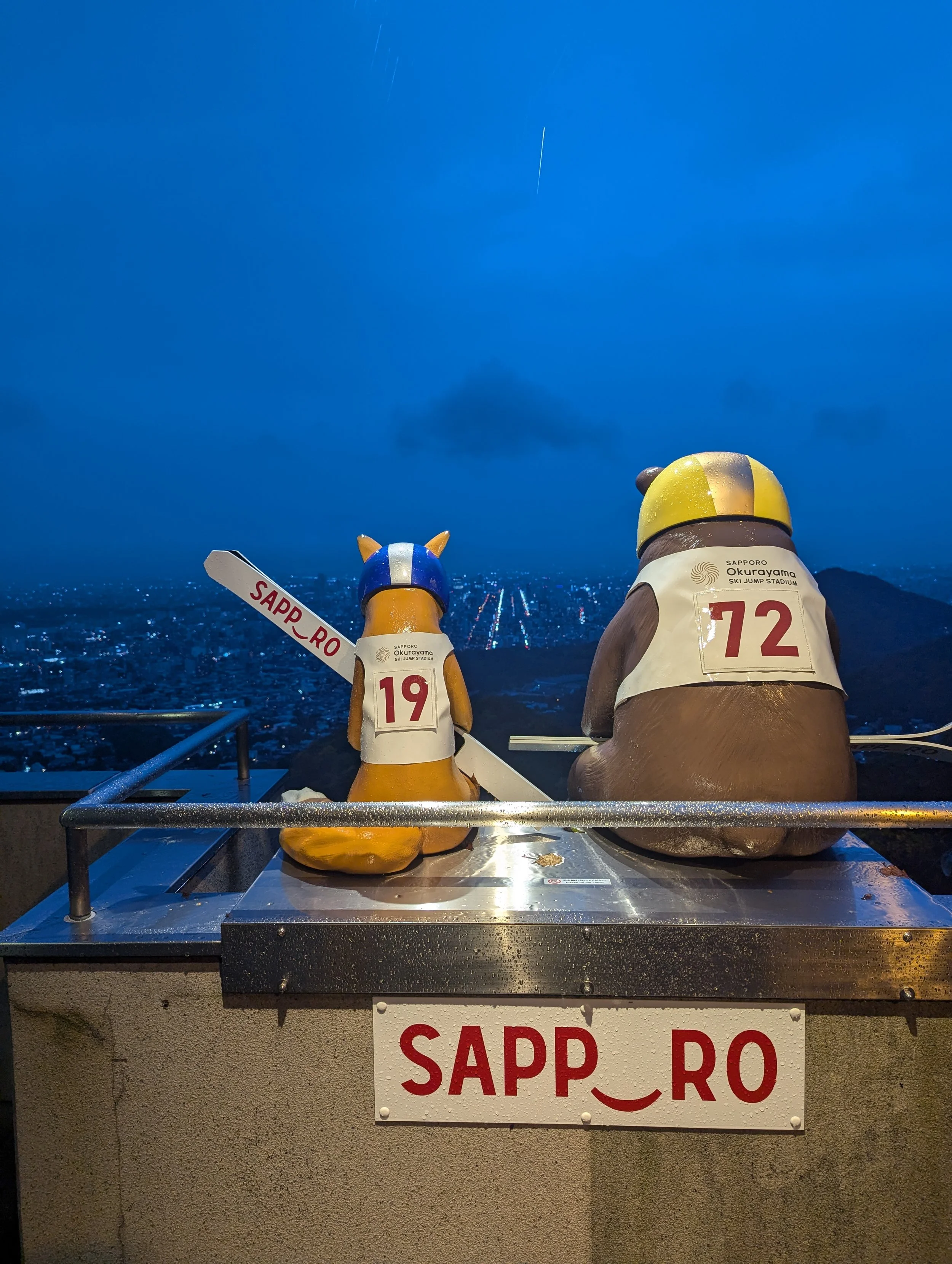
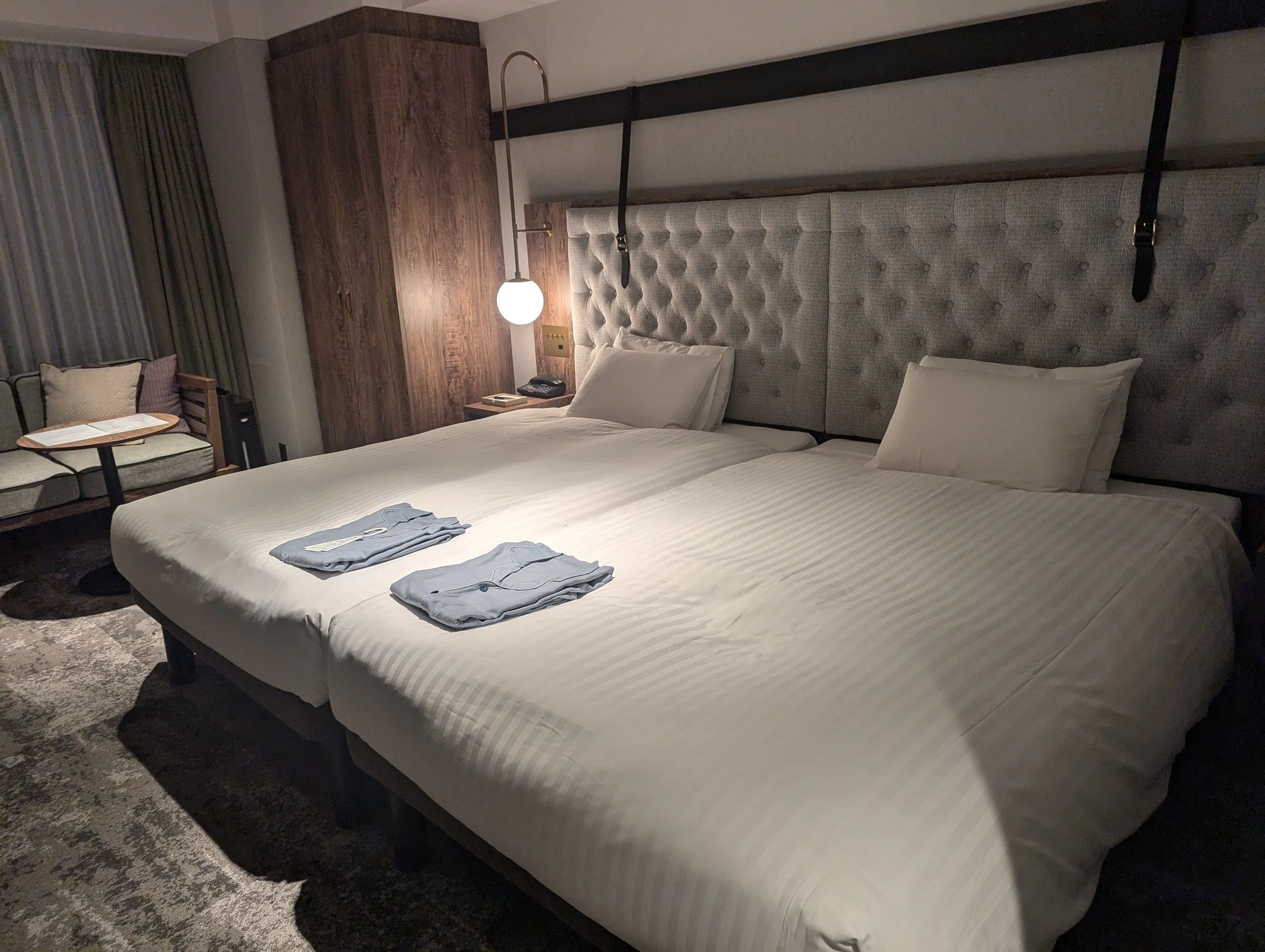
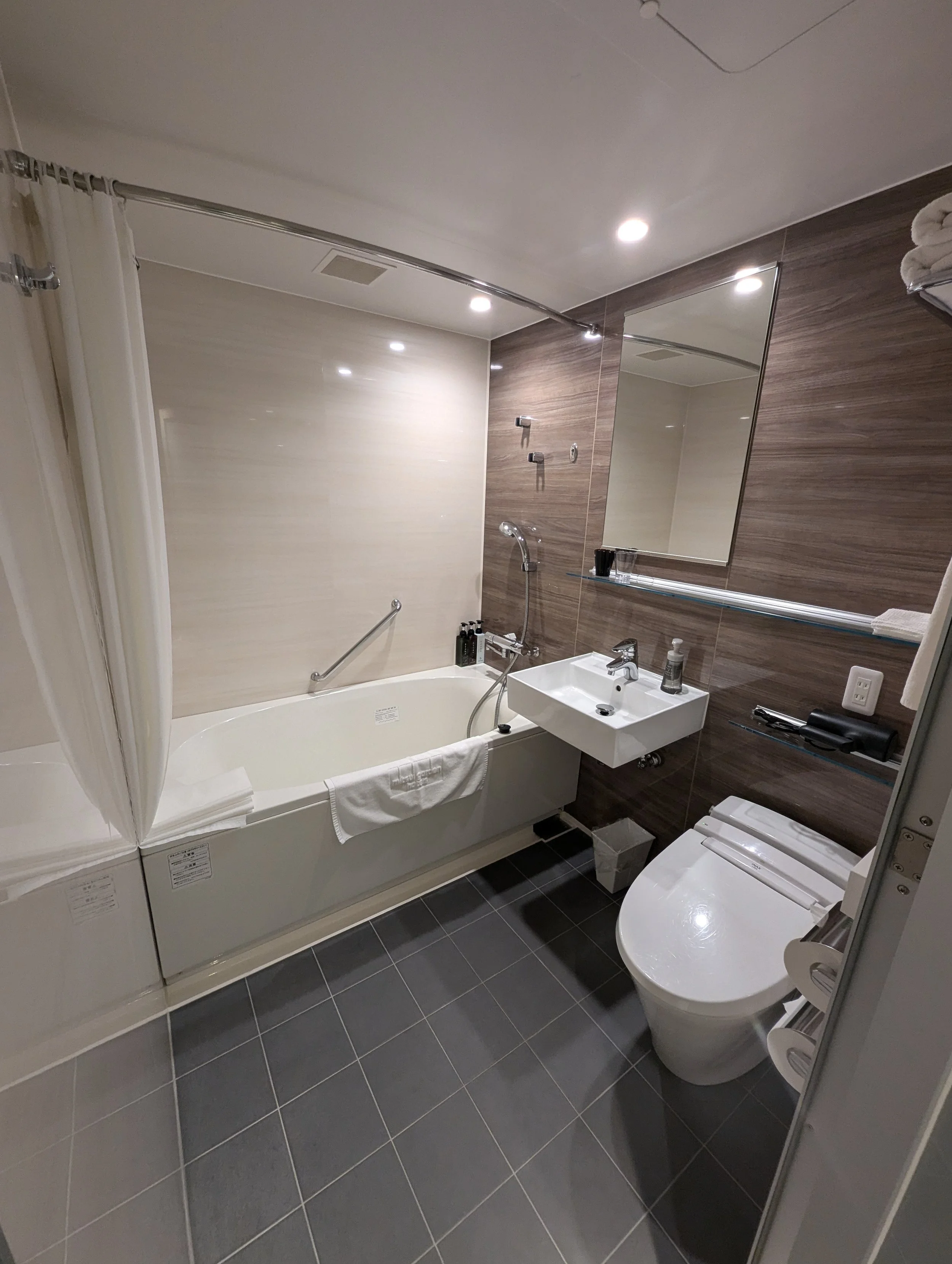
After an hour or so exploring the exhibits, we set off for our hotel, arriving at 6PM. We checked into our hotel, the Mitsui Garden Sapporo West, which was a nice but basic hotel room. Our rental car was stored in a car vending machine, a futuristic experience where cars are stacked aboveground. We kept the keys. There is a little monitor outside the garage door where you can watch the car be pulled from its spot. We had chosen this hotel due to its proximity to Sapporo Station - it was about a five minute walk, two blocks away.

With the rain still coming down, we opted for the underground walkways from Sapporo Station to Odori and Susukino Stations—an easy and convenient way to navigate the city without getting drenched. We believe the city was designed this way because of the cold winters and the amount of snowfall Sapporo gets, but it worked in our favor as well. In our opinion, the pedestrian walkways are always nice - you don’t have to worry about traffic or weather, and they are lined with shops of all kinds.
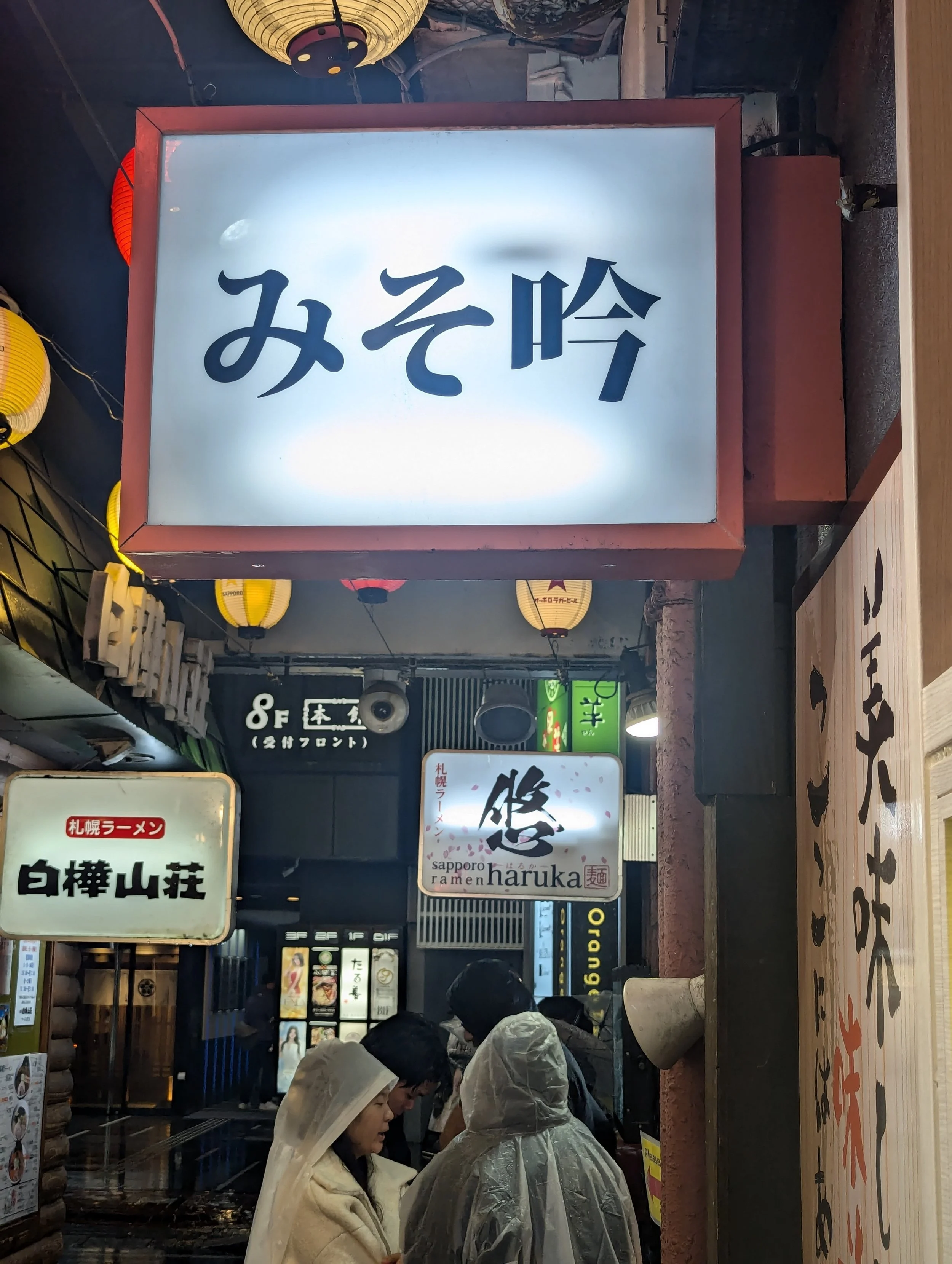
For dinner, we headed to Ganso Ramen Yokocho, a famous alley lined with tiny ramen shops. The yokocho is one block over from Susukino Station and the iconic Nikka Whiskey sign.
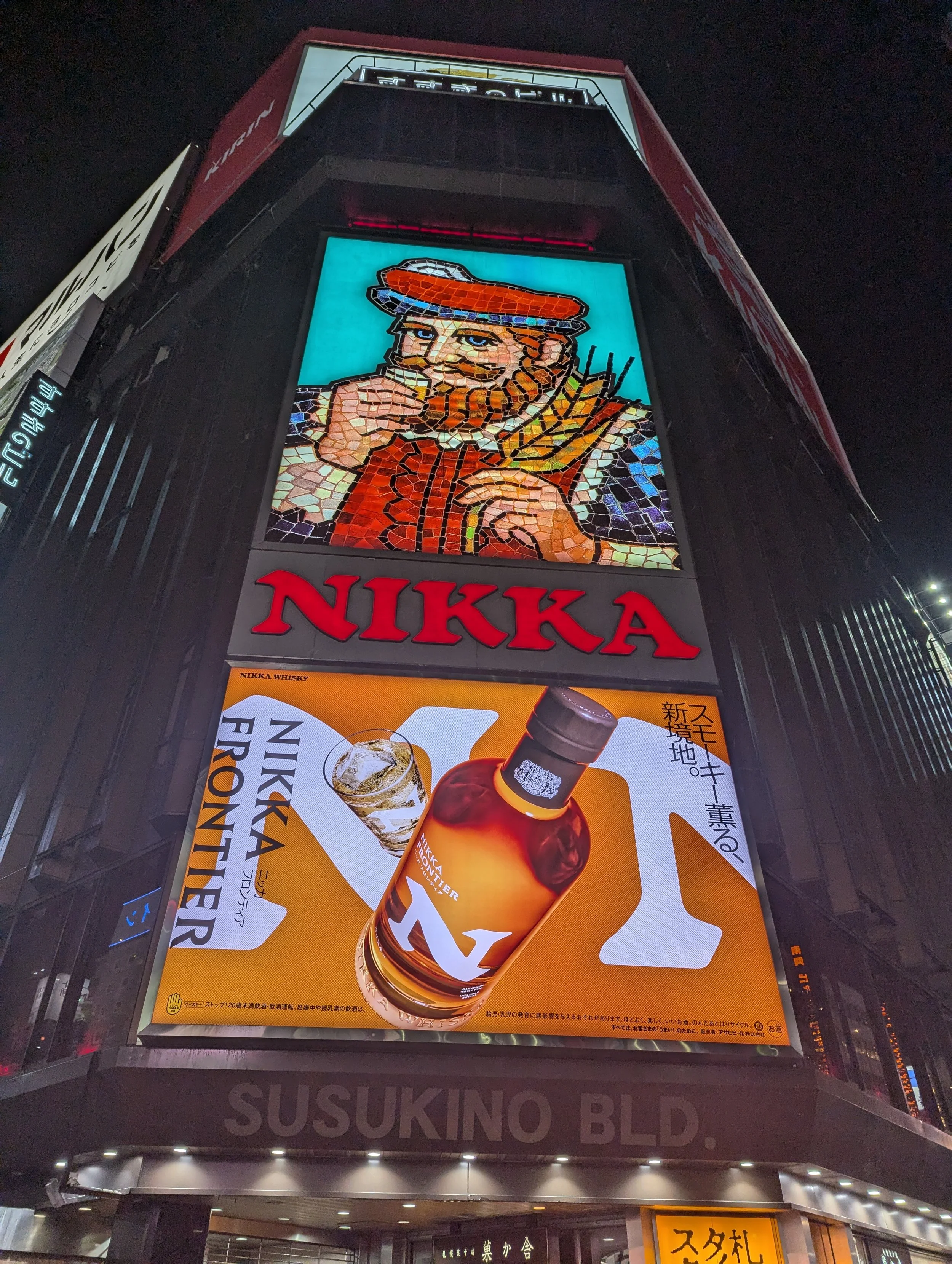
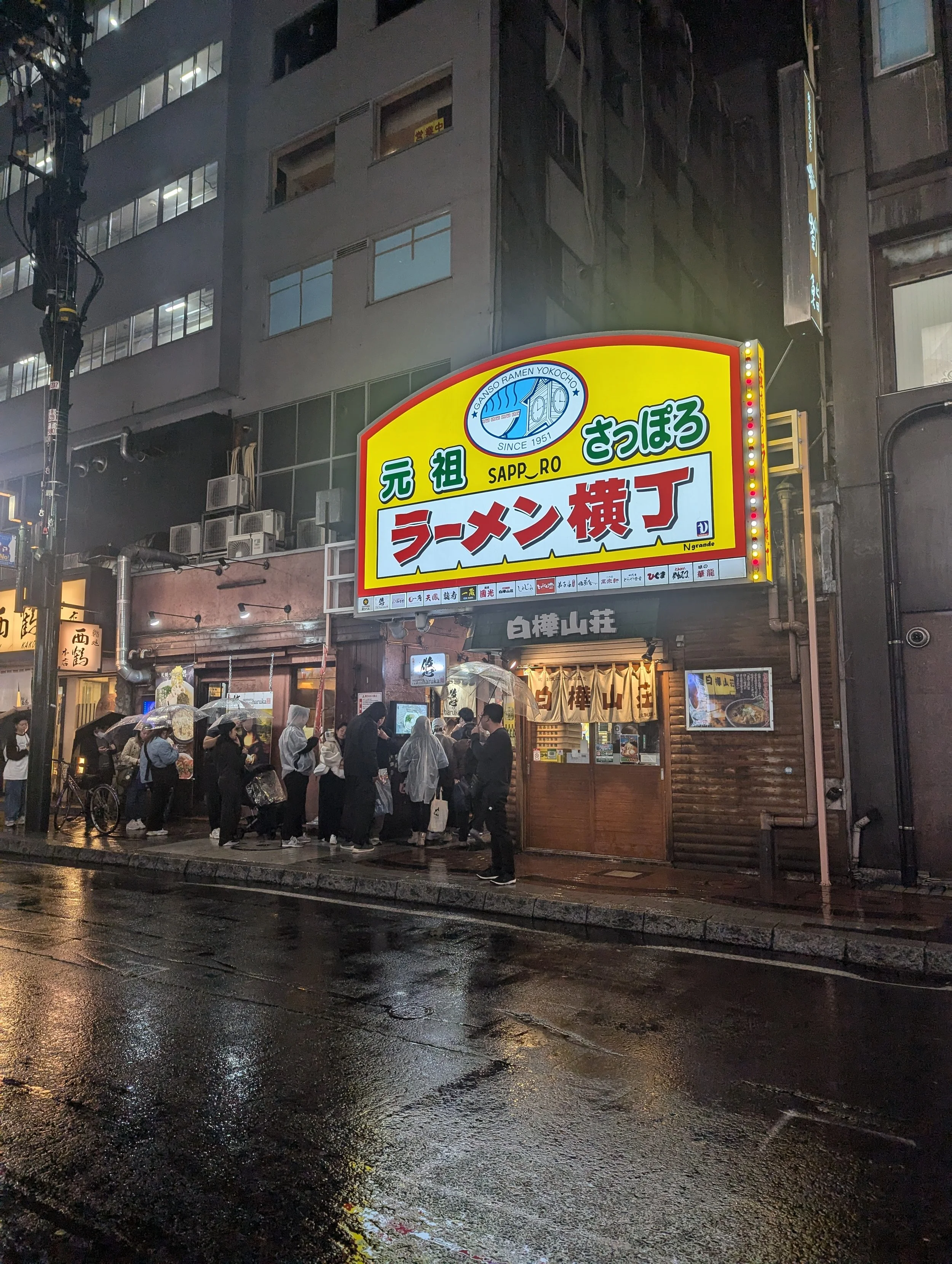
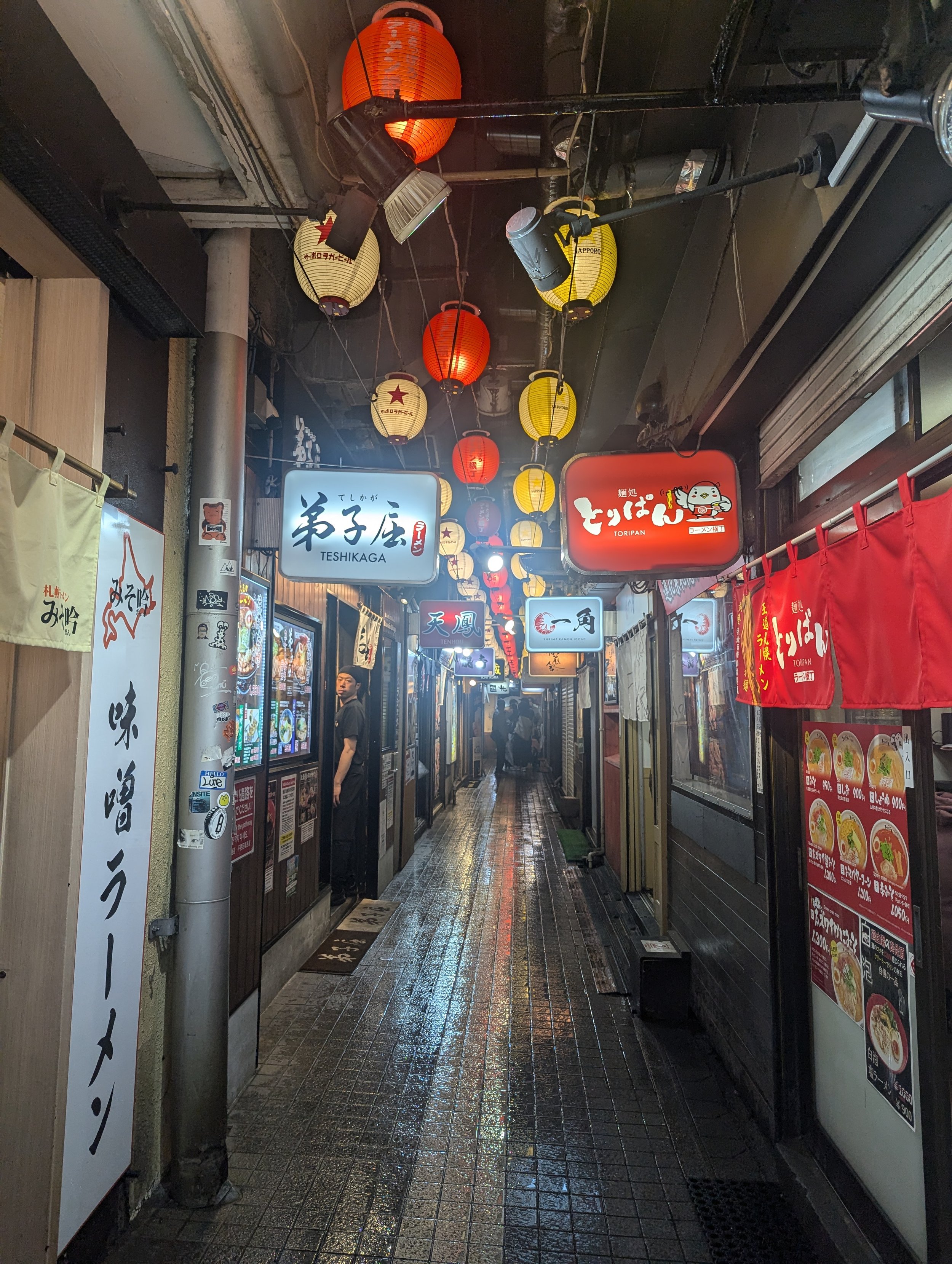
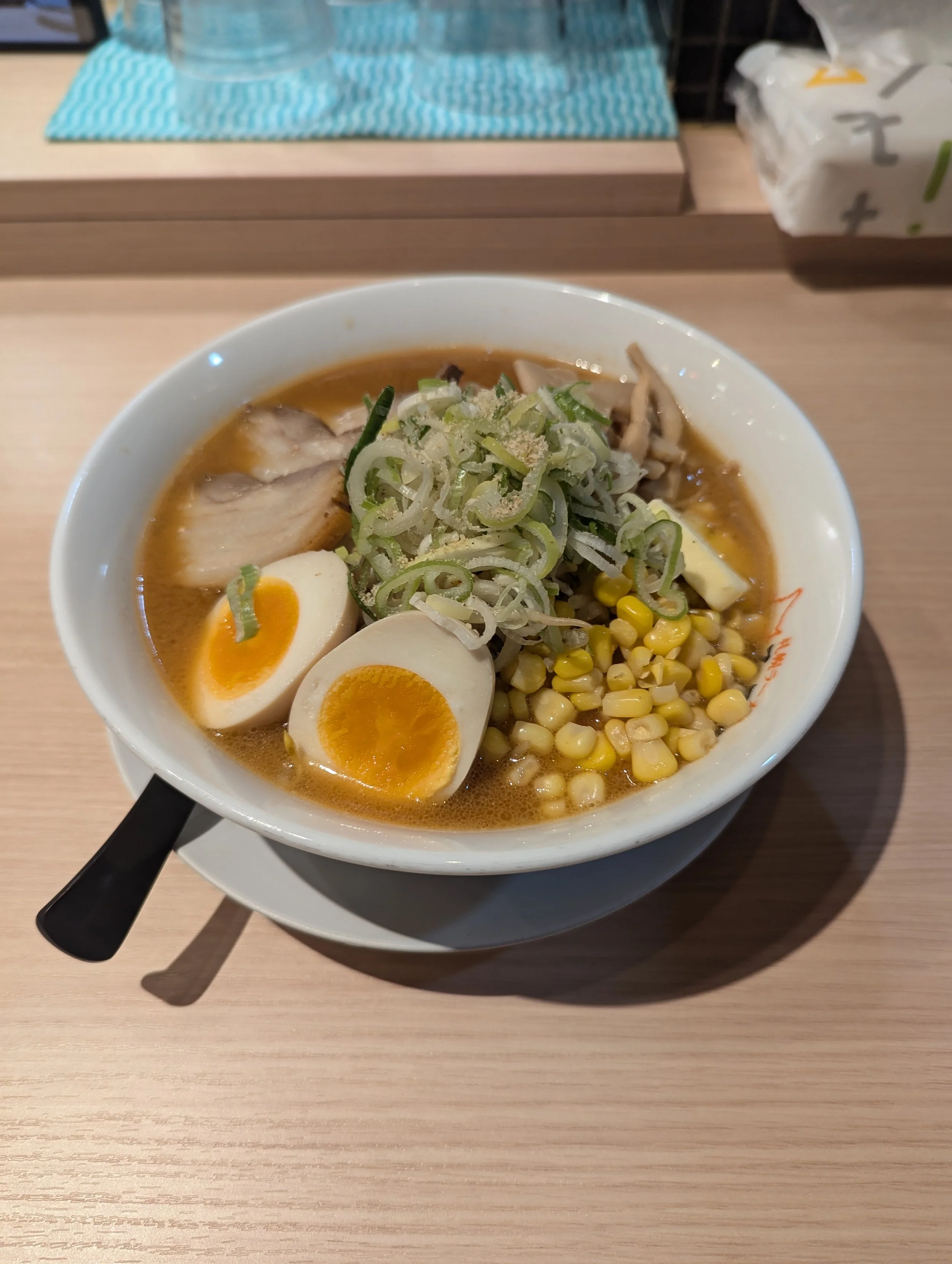
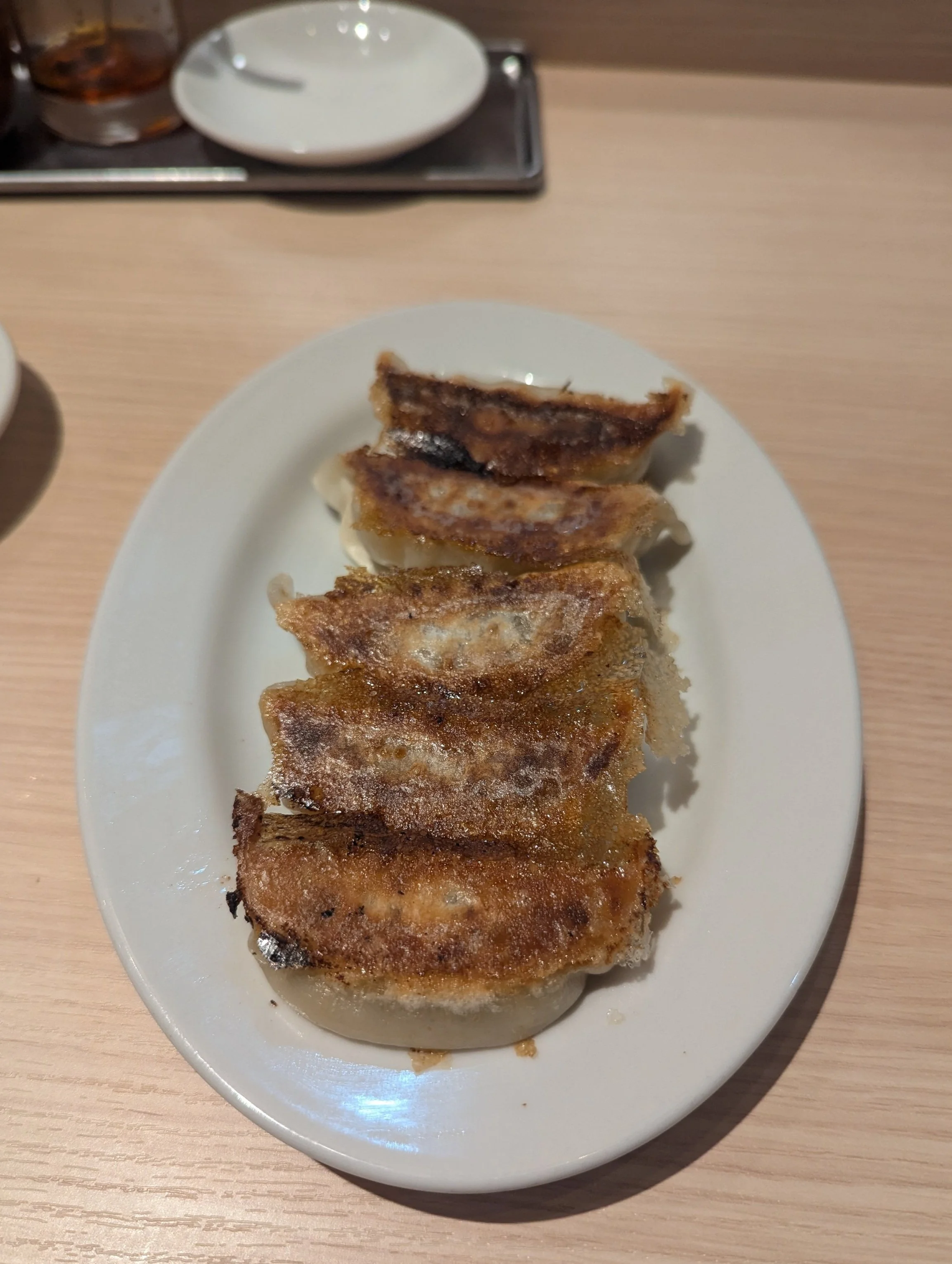
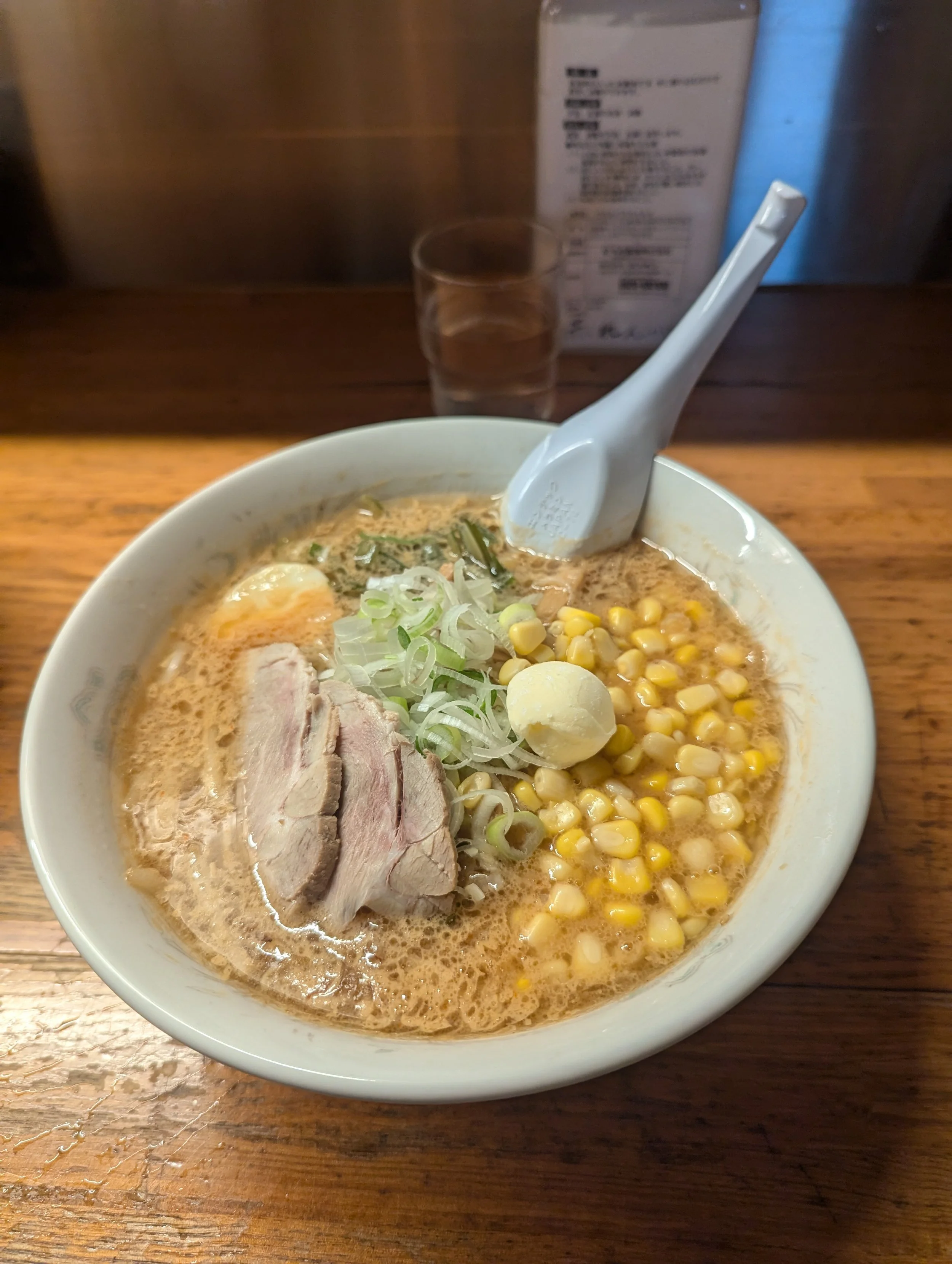
Sapporo is known for miso ramen with butter and corn, and we were on a mission to find the best one! By 7PM, we had chosen our spot and placed our order—steaming bowls of miso ramen, plus a side of gyoza. It was delicious and hit the spot! The ramen shop had only eight seats, and two people working the shop. The shop next door had a line that wrapped around the building, a testament to how seriously Sapporo takes its ramen. With full bellies, we made our way back to the hotel by 8:30. By 10PM, we were in bed, ready for another day of adventure in Hokkaido.
Day 8 - October 24: Hill of the Buddha and Otaru
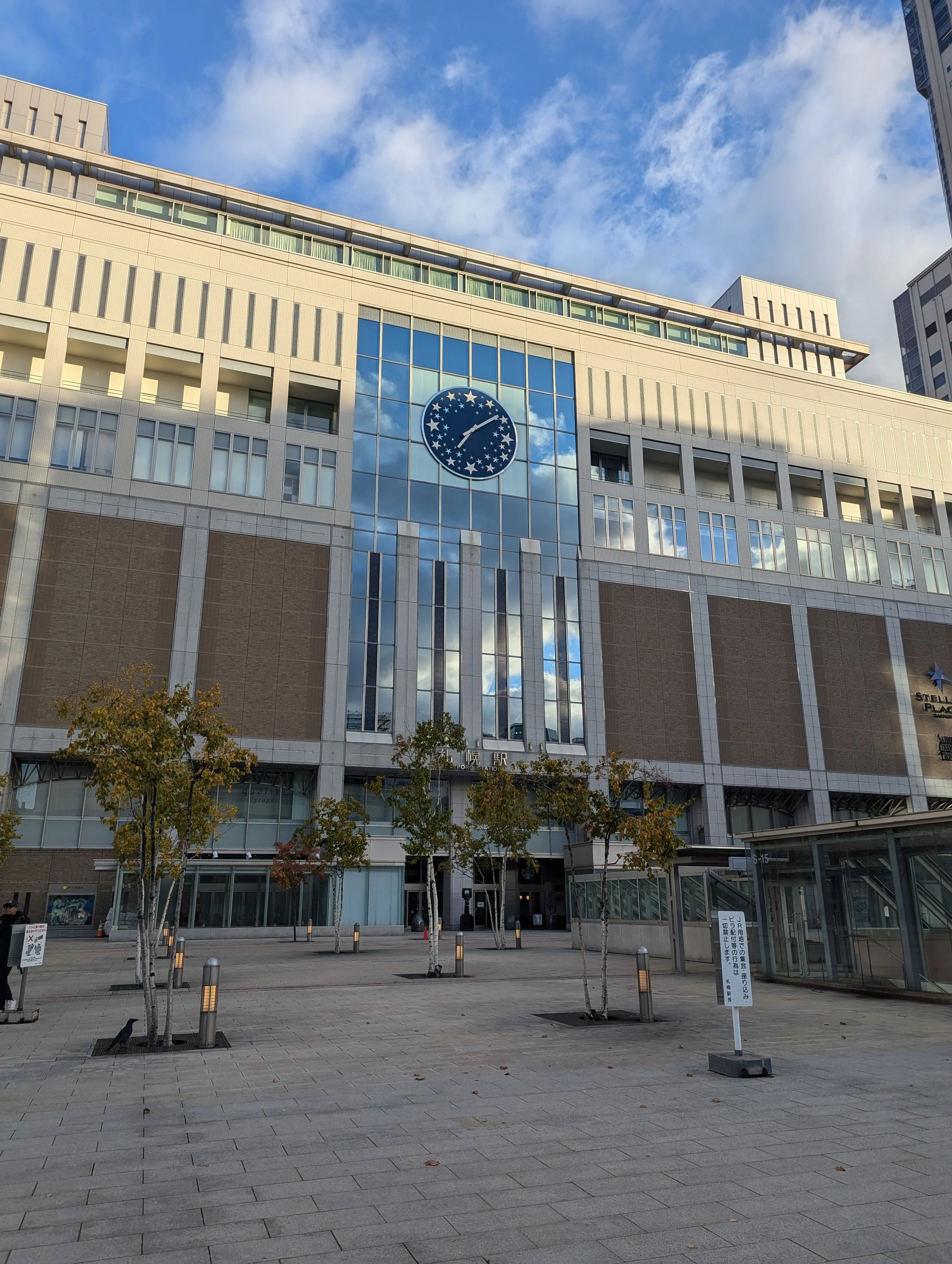
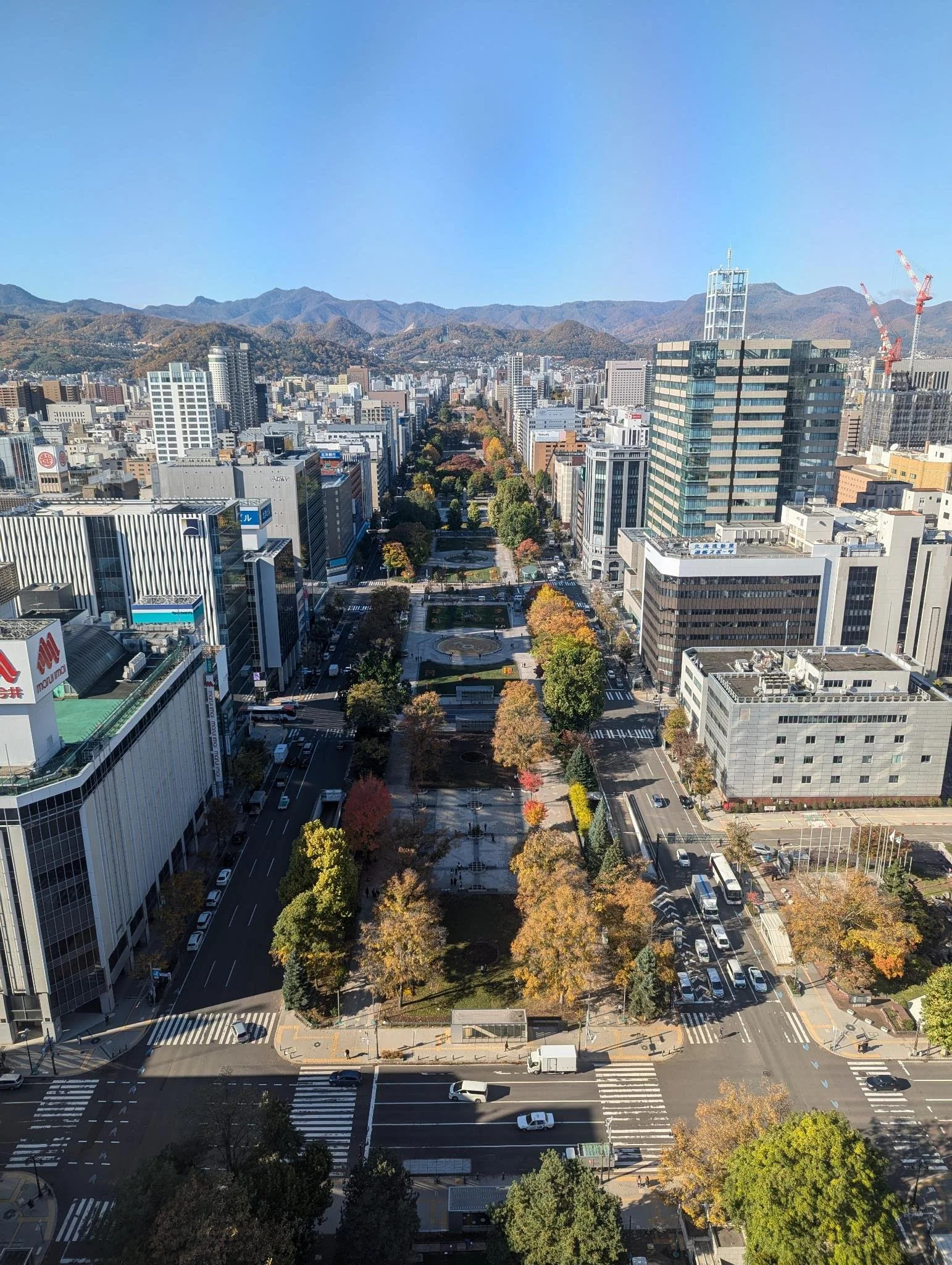
We started the day early, waking up at 6 AM and leaving our hotel by 7 AM to explore the morning market, Nijo Market. The weather was too nice to pass up, so we decided to walk outside, as opposed to the underground pedestrian walkway, but that led to multiple distractions along the way - including Sapporo Station in the day time, Sapporo Clock Tower, the Hokkaido Government Office, Odori Park and Sapporo TV Tower. As a result, we didn’t reach the market until 7:45 AM.
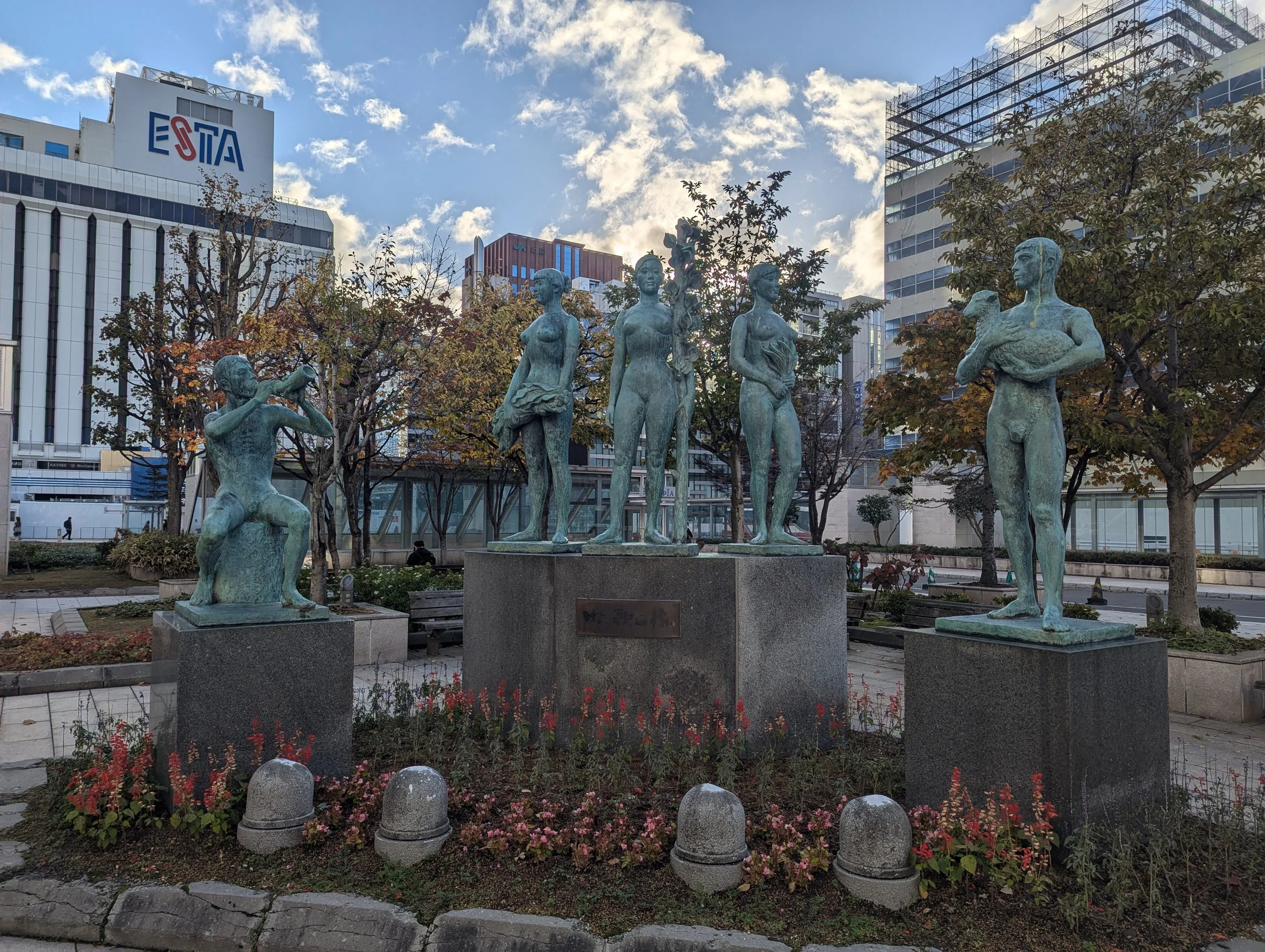
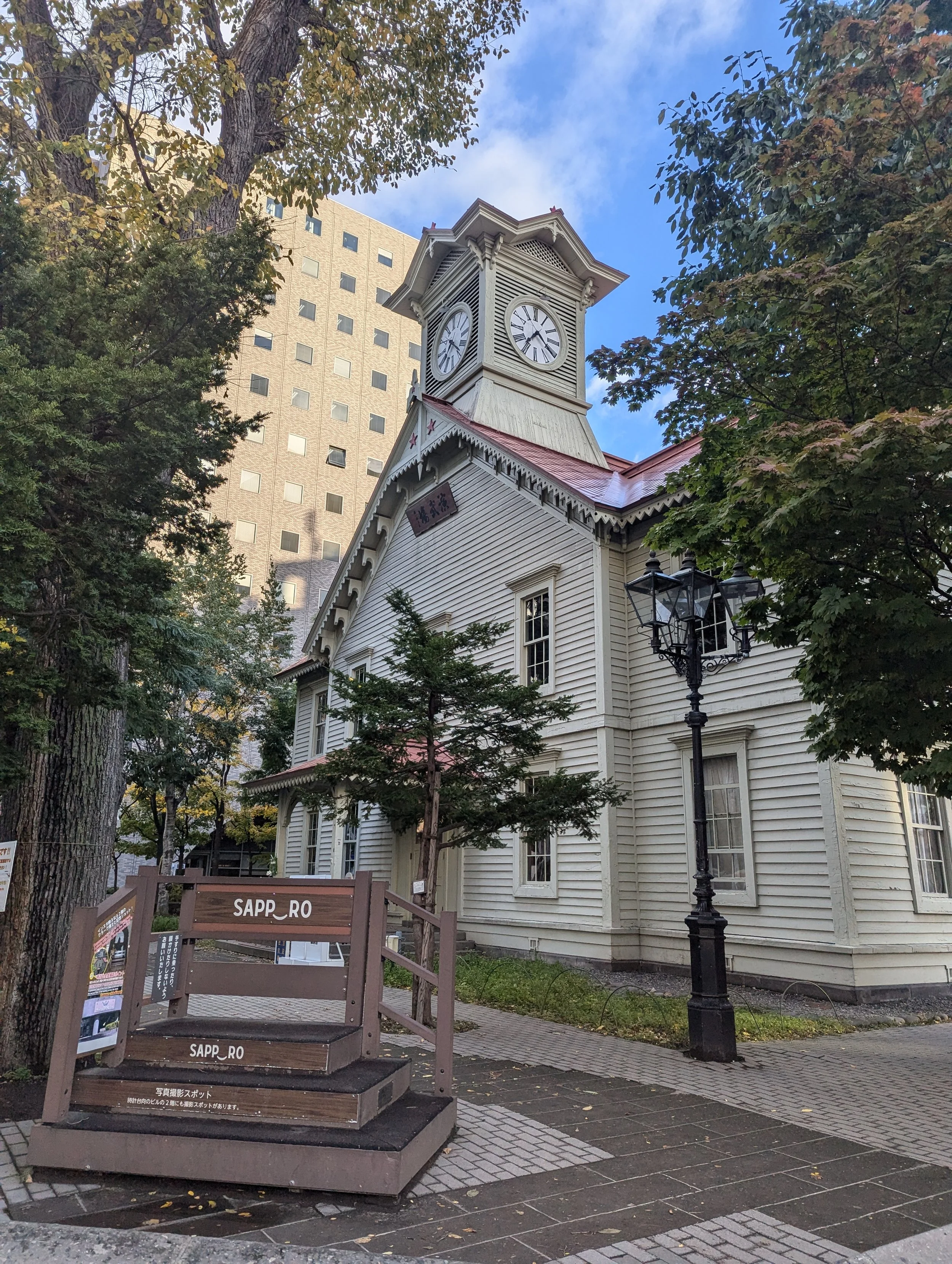
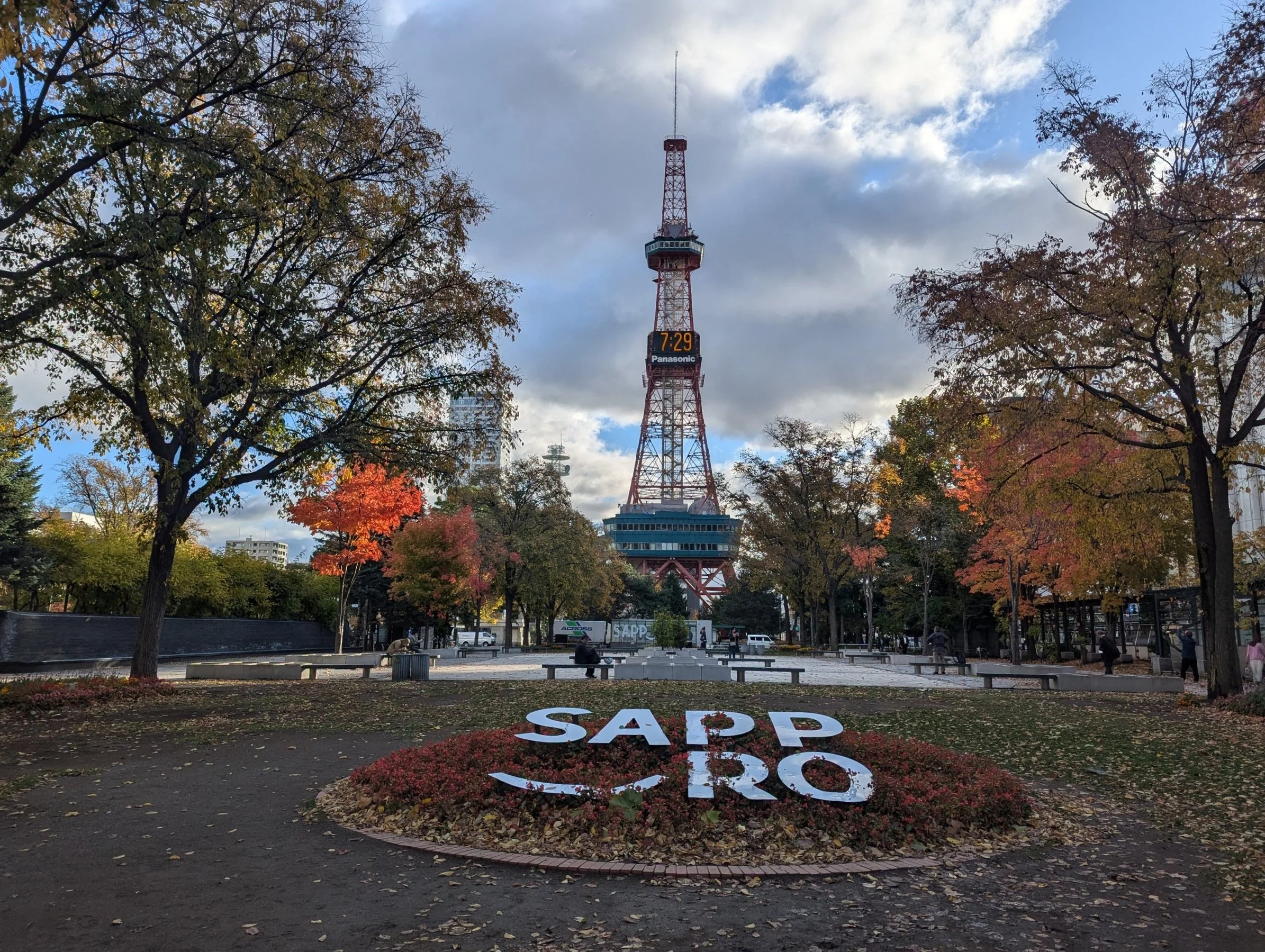
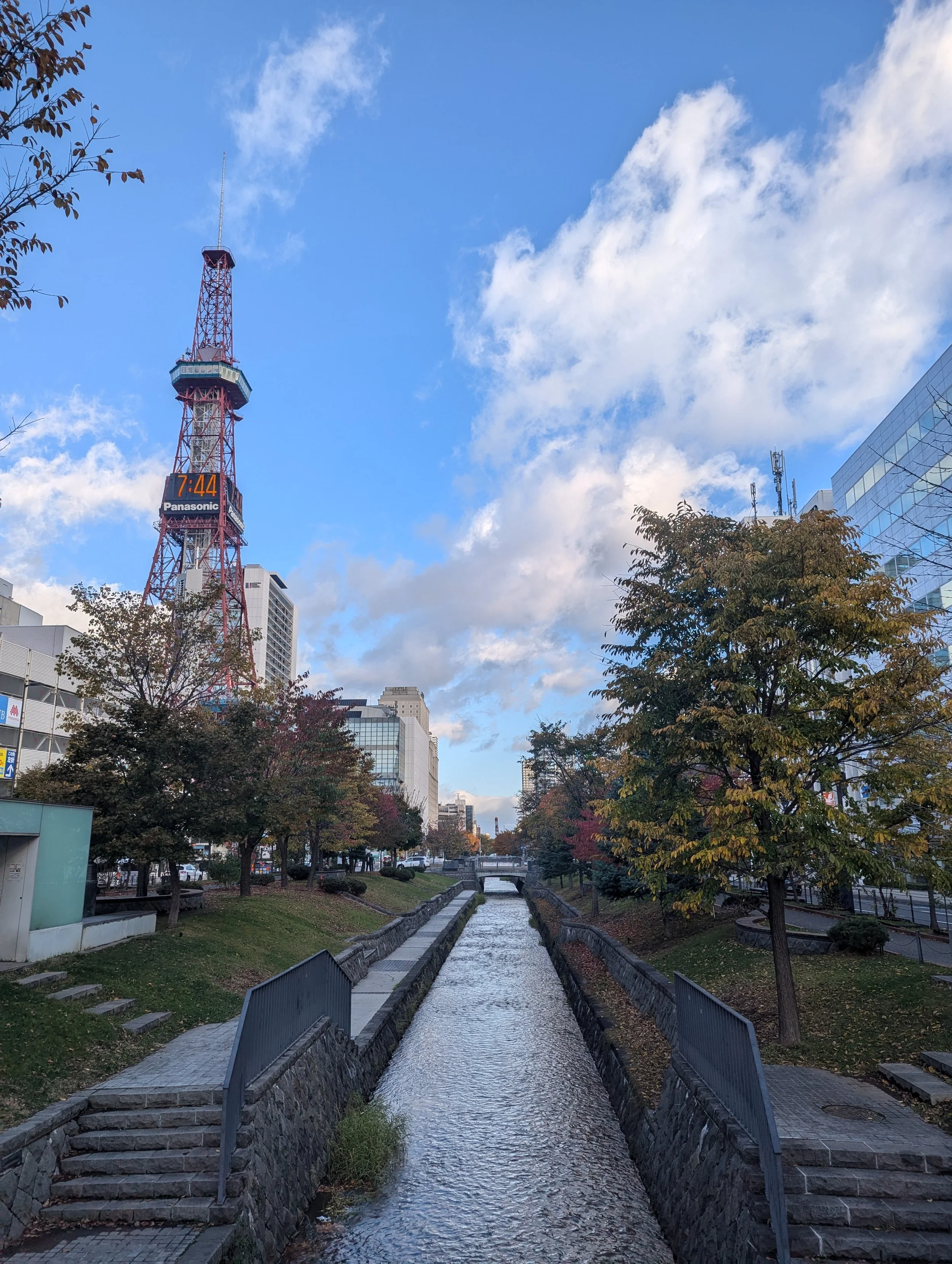
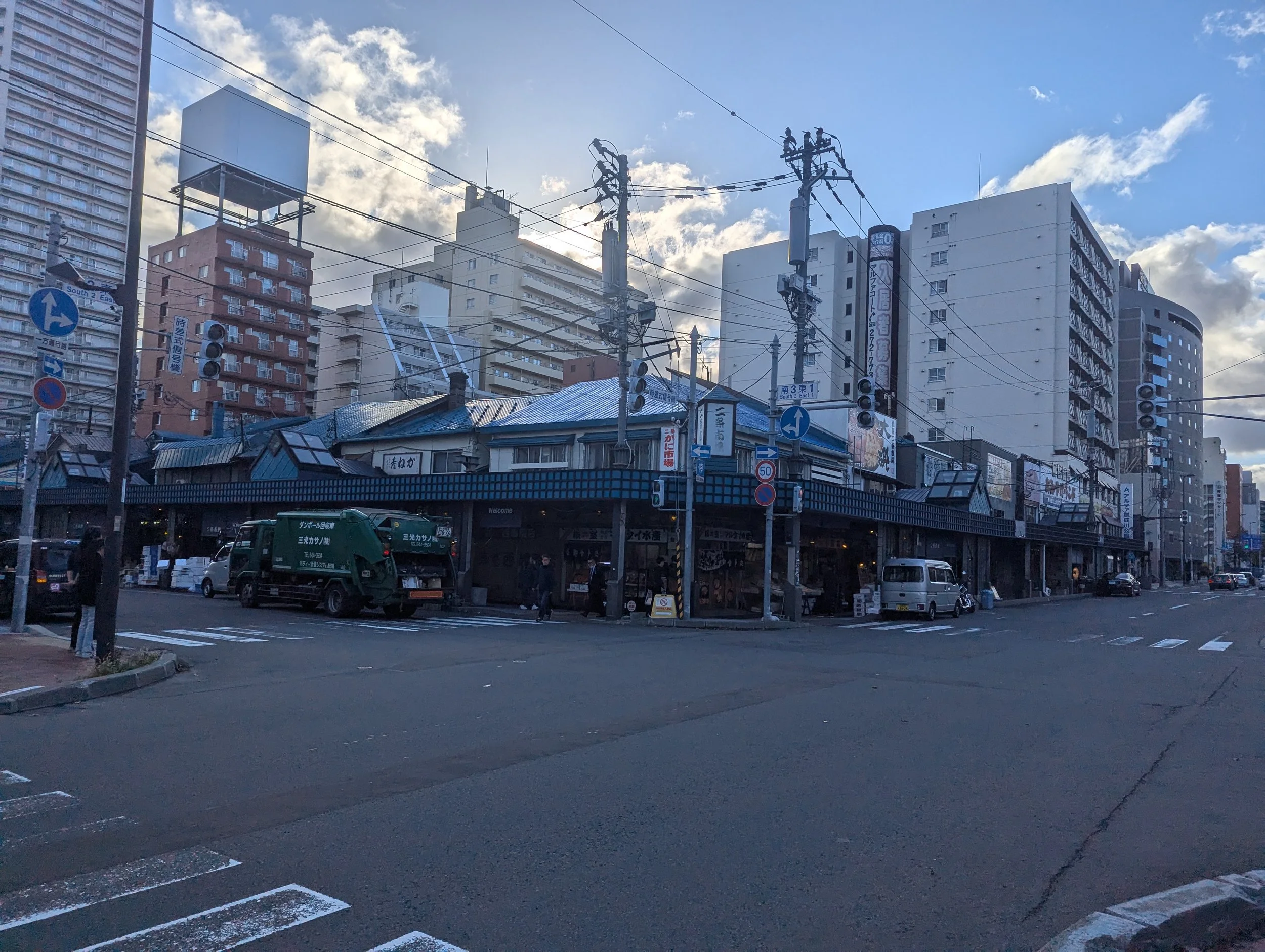
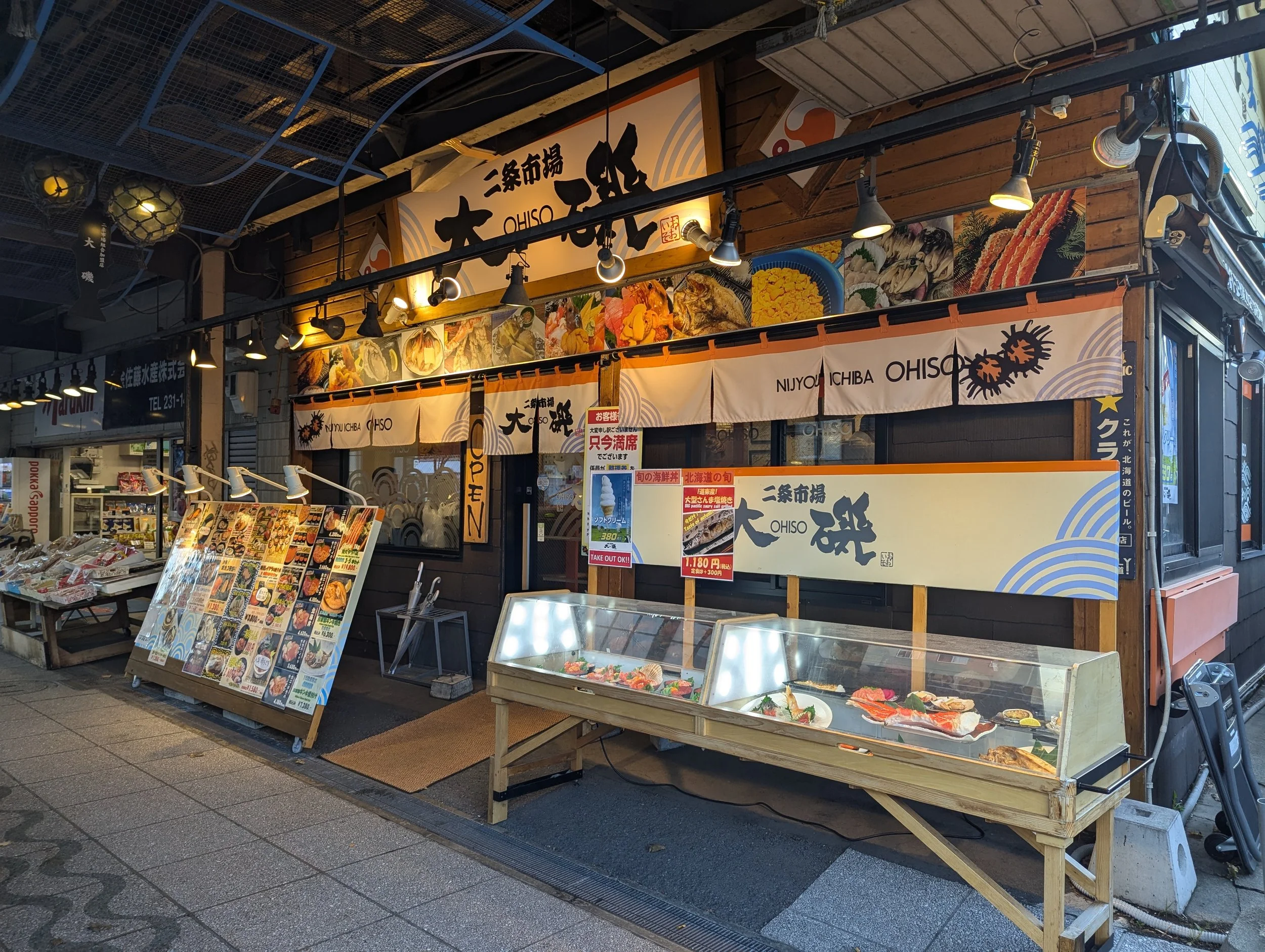
Once there, we wandered a little bit to decide where we wanted to eat. We got a number for Ohiso, a popular seafood restaurant. Unlike other places where you can wander around while waiting, Ohiso requires you to stay near the entrance - there are a few seats on the sidewalk by their entrance. If you’re not present when they call your number, “you will be canceled”. Luckily, we were seated by 8:05 AM. Across the street, we noticed another small restaurant with an even longer line, and from the looks of it, it was a tiny space inside.
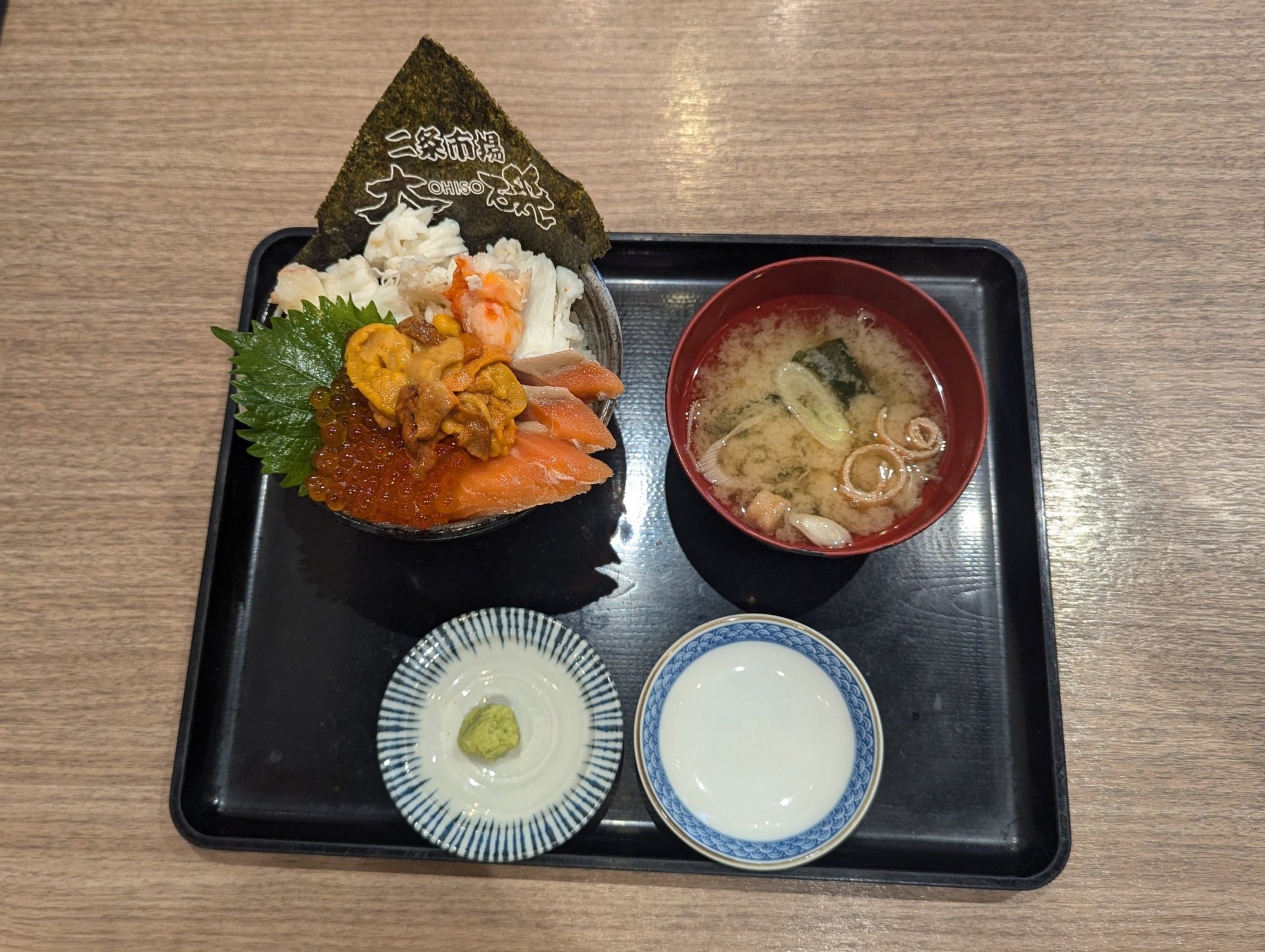
We both ordered the Hokkaido Don, a luxurious seafood bowl topped with uni, king crab, salmon, and ikura for 4,620 yen. Kevin upgraded to crab soup for an additional 380 yen. The uni was hands down the best we’ve had so far—sweet, fresh, and absolutely melt-in-your-mouth.
To avoid getting sidetracked again, we took the underground walkway back to the hotel and left by 9:30 AM. We arrived at the Hill of Buddha at 10:20 AM. Despite some online sources stating there was no entrance fee, it was actually 300 yen per person. Parking is charged in some lots, but we found a free one.
Before reaching the Buddha itself, we passed by the Stonehenge replica, which has a sign stating “Do not pass” because it is a mausoleum and off-limits—though plenty of people ignored that and climbed on the rocks anyway. The Moai statues nearby were particularly impressive, massive structures so tall that they are each composed of multiple stones. Each one had detail different from the next, like facial expression or decorative patterns.
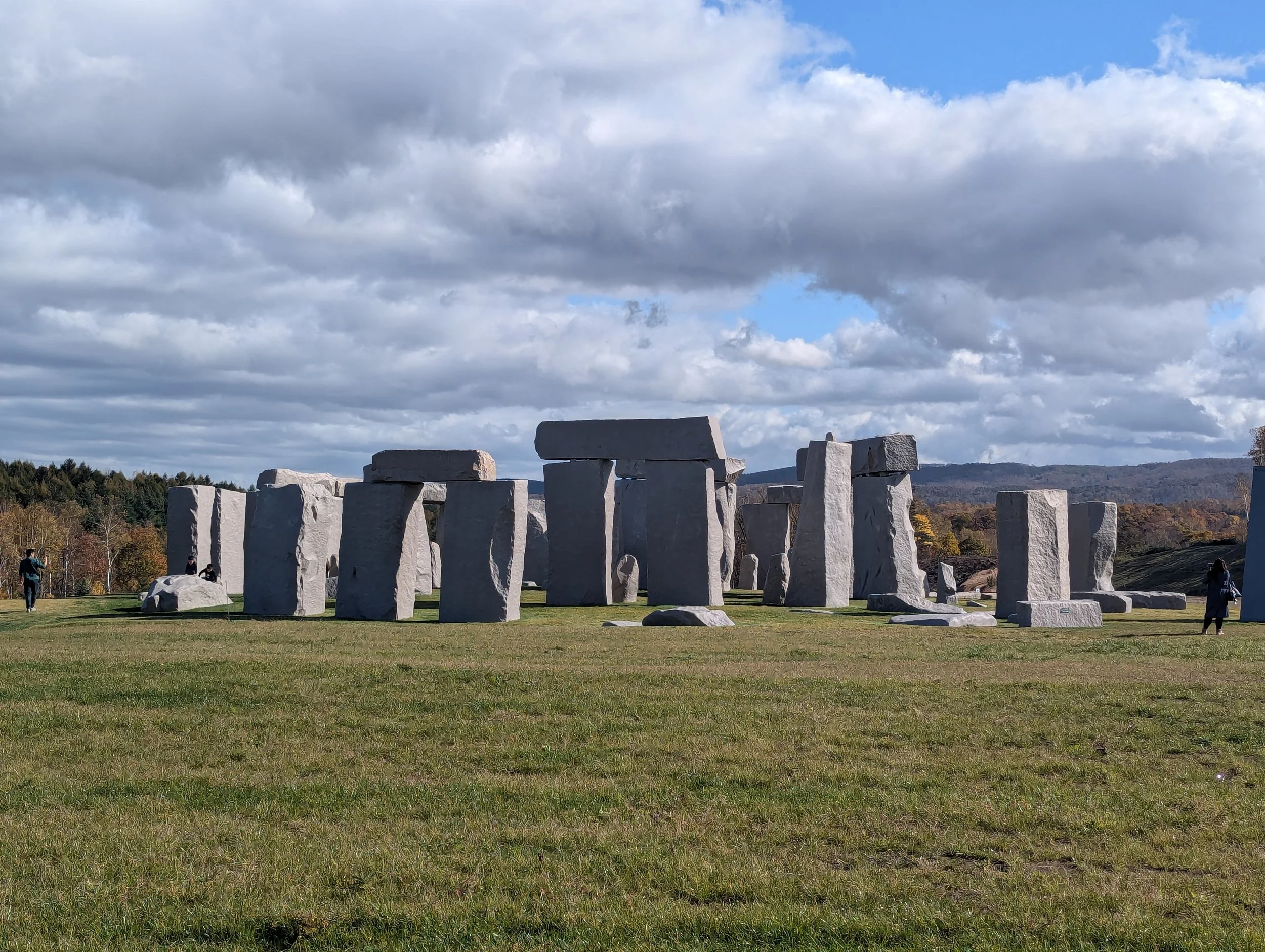
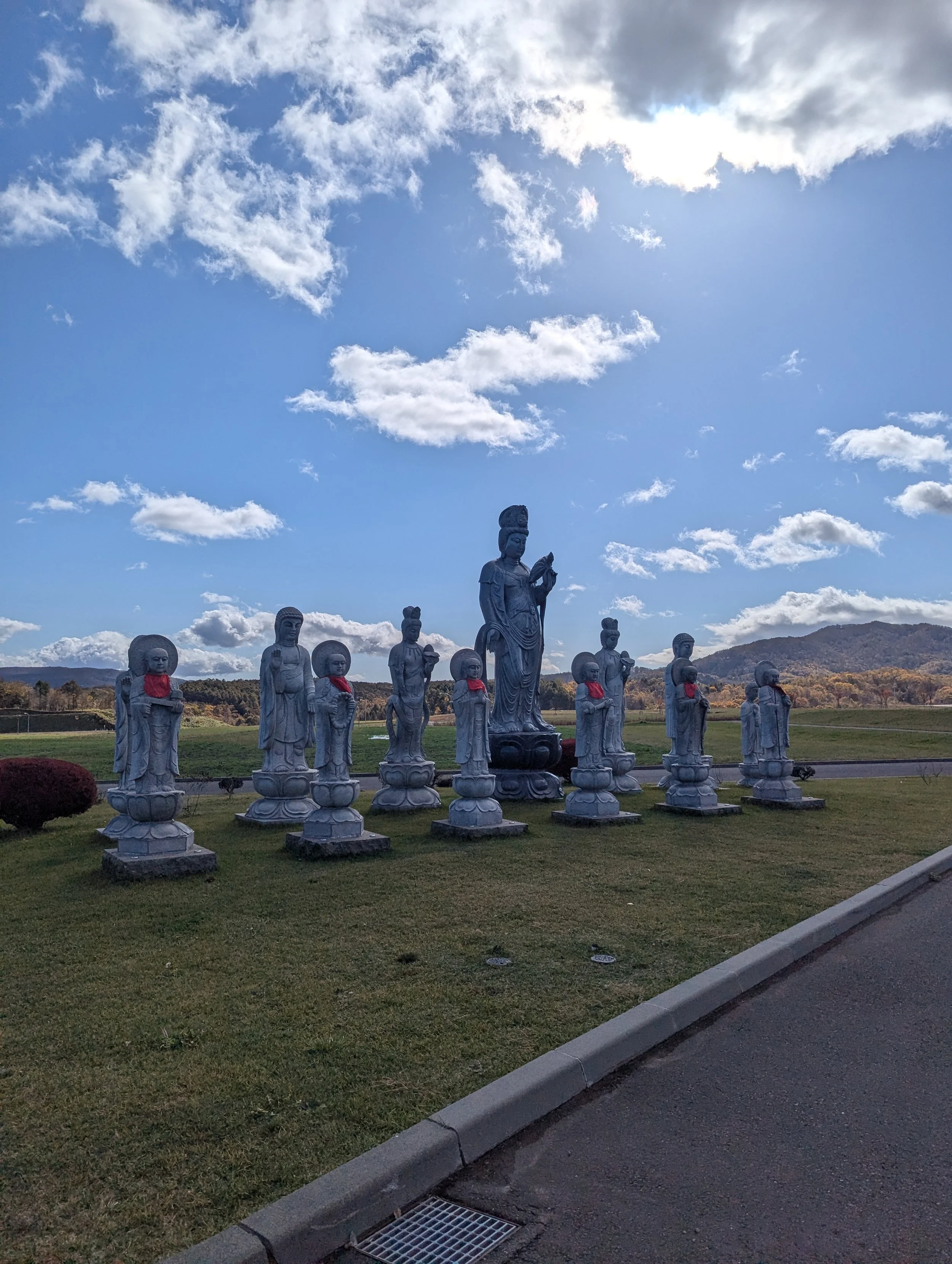
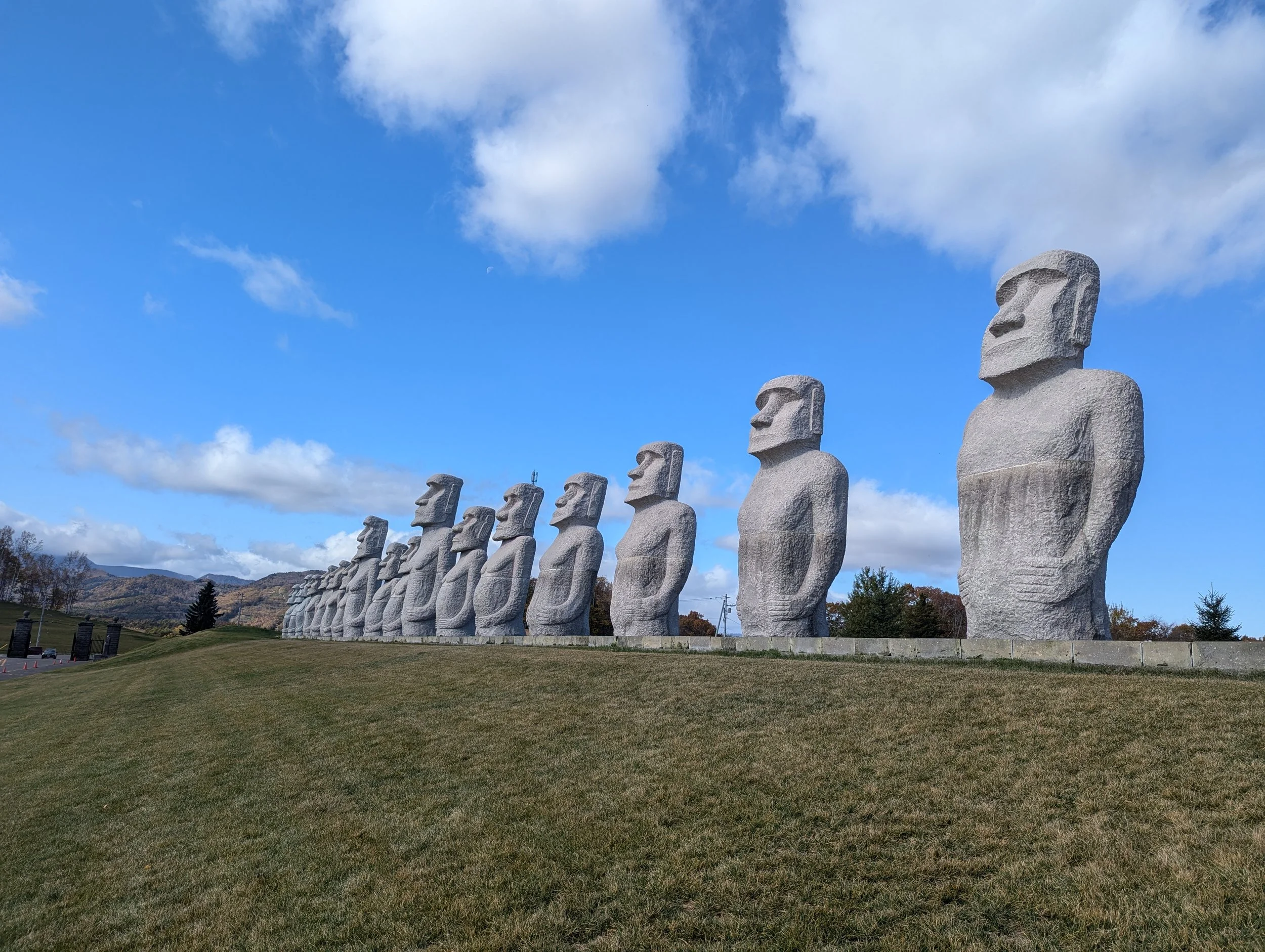
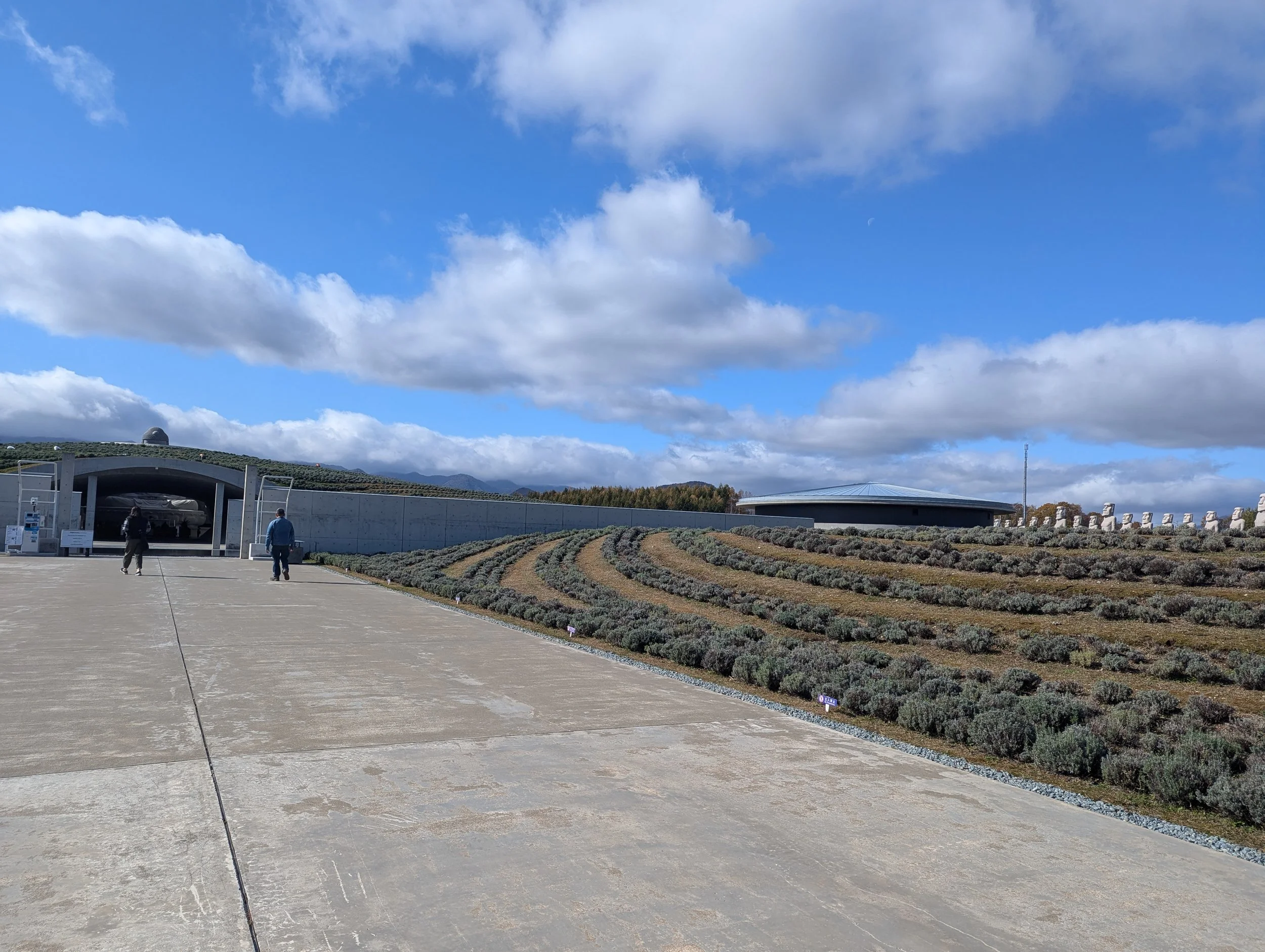
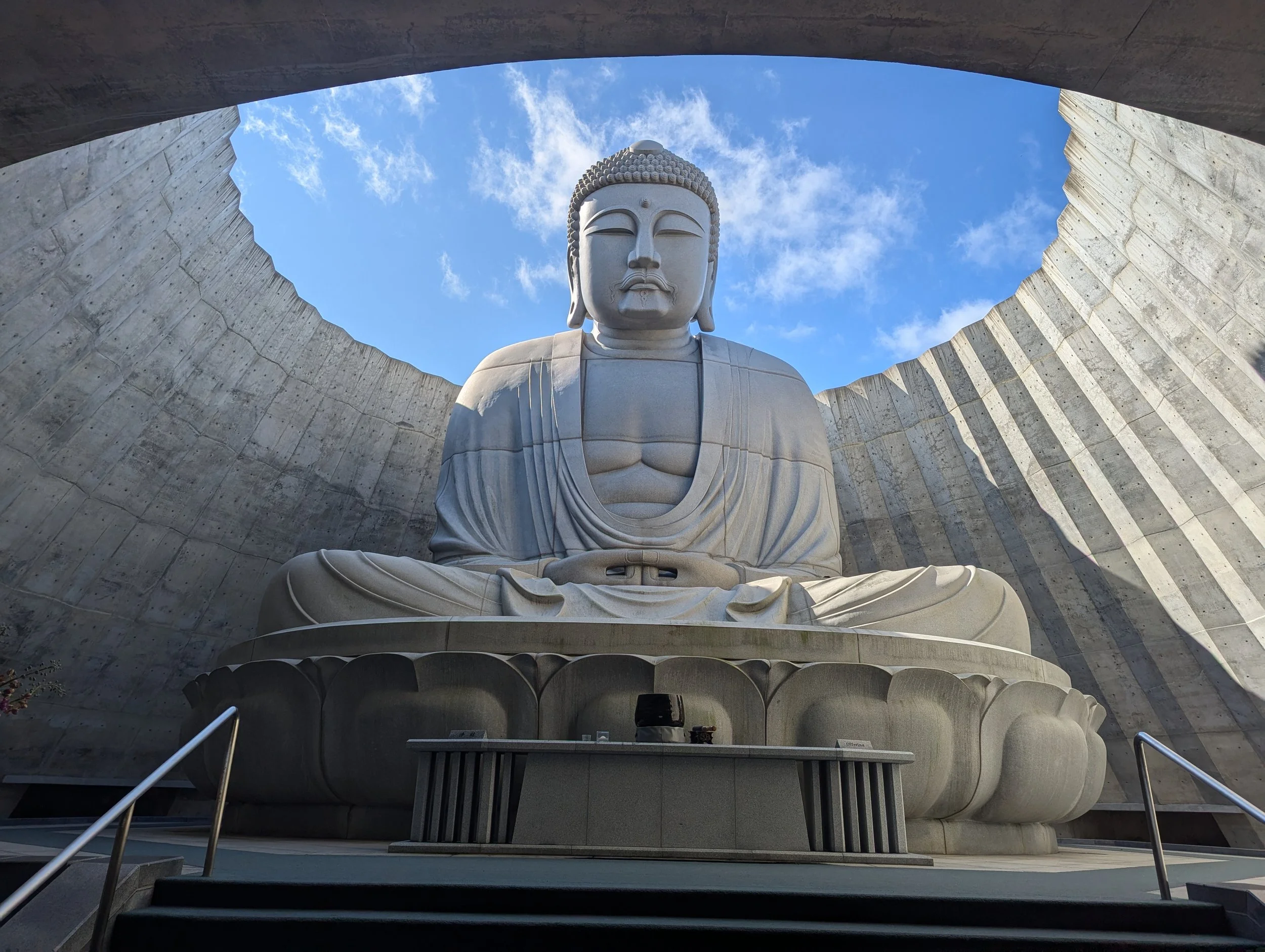
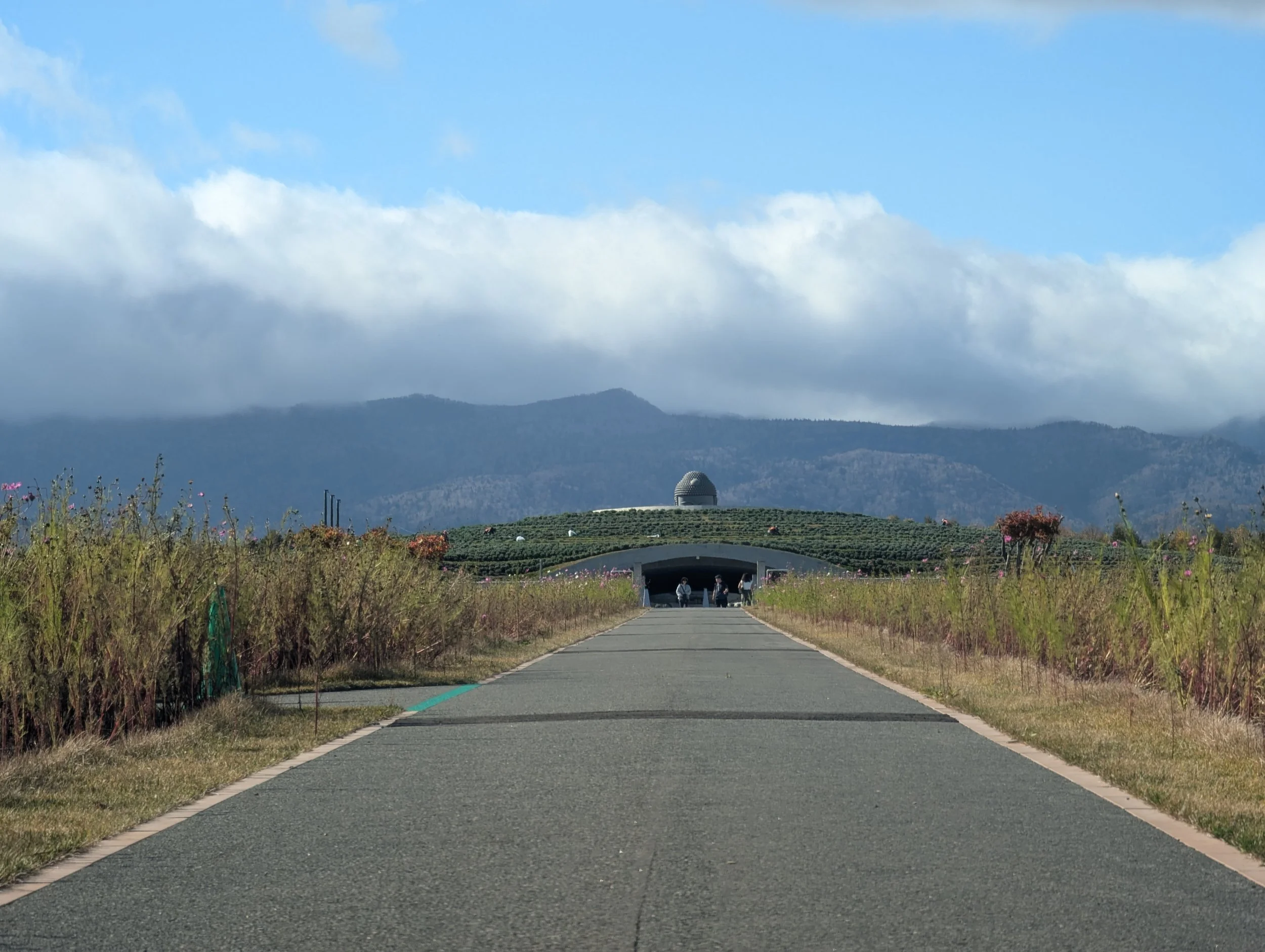
The Hill of the Buddha itself is an incredibly cool place. The top of the Buddha head peaks through the hill - which in summer time is covered in lavender. There is a reflection pool as you approach the Buddha, incense, gongs and it is an entire experience.
At the Buddha site, there’s a rotunda café with restrooms, and another set of restrooms near the Moai statues. Both locations sell ice cream for 450 yen, but we resisted the temptation to save room for our next destination: Otaru. We left the Buddha site at noon.
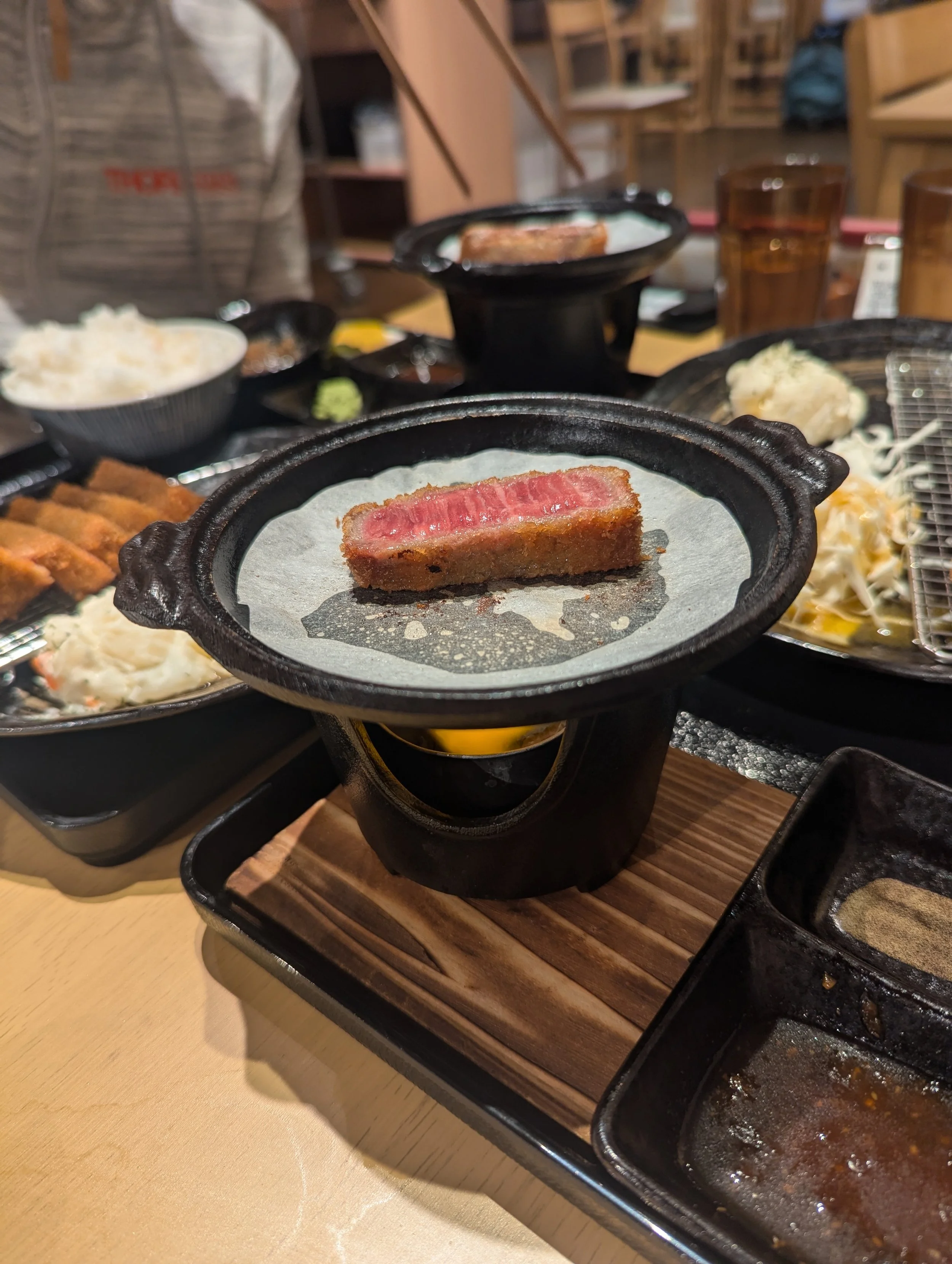
Our next stop for the day was Otaru, which is known for its picturesque canal, music boxes, glass and its Snow Light Festival in the winter. We reached Otaru at 1:10 PM, parked at a paid parking lot across the street from the main downtown street, and walked around. The cool weather made us consider having ramen for lunch, but instead, we stumbled upon a wagyu sukiyaki and tempura restaurant, Wagyu Kurosawa, and got seated right away. We both ordered the Hokkaido beef cutlet set (Rank B). The set meal comes with a little grill on which we cooked our meat - the flame only lasts for 20 minutes or so, so be sure to cook all your meat before the flame runs out! We didn’t realize this and rushed toward the end. The restaurant had 14 tables, half of which were for two people and the rest for groups of four. It was family-friendly, offering folding high chairs, little kid cups, and forks.

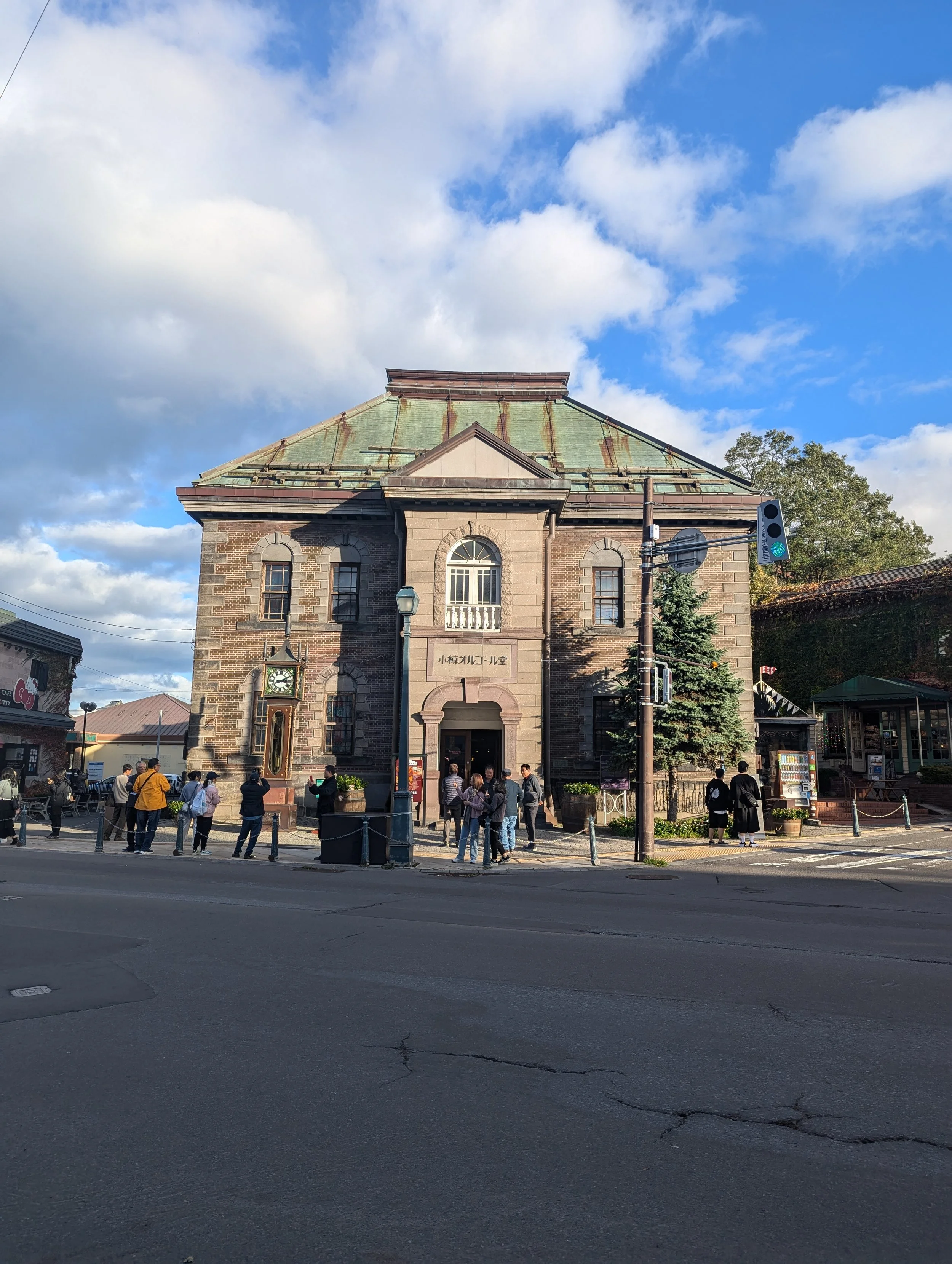
After lunch, we walked to the Otaru Steam Clock, which chimes every fifteen minutes. Interestingly, it chimed a little early — at14, 29, 44, and 59 minutes past the hour, instead of on the hour. It is powered by steam from an underground boiler. We also visited the Otaru Music Box Museum, which is more like a store than a museum, but where you can make your own custom music box. They had premade songs like Totoro and songs from the Sound of Music, other movies and pop songs. We also popped in a Hello Kitty store (it was the 50th year anniversary) and LeTAO, Otaru’s famous sweets shop known for their double fromage cheesecake and uses Hokkaido milk, cream and cheese which are known for their richness. We stumbled upon a little shop selling glass everything - Disney princesses, farm animals, figurines of all sorts - but most importantly, they had an entire shelf filled with glass teeth. Naturally, I purchased multiple.


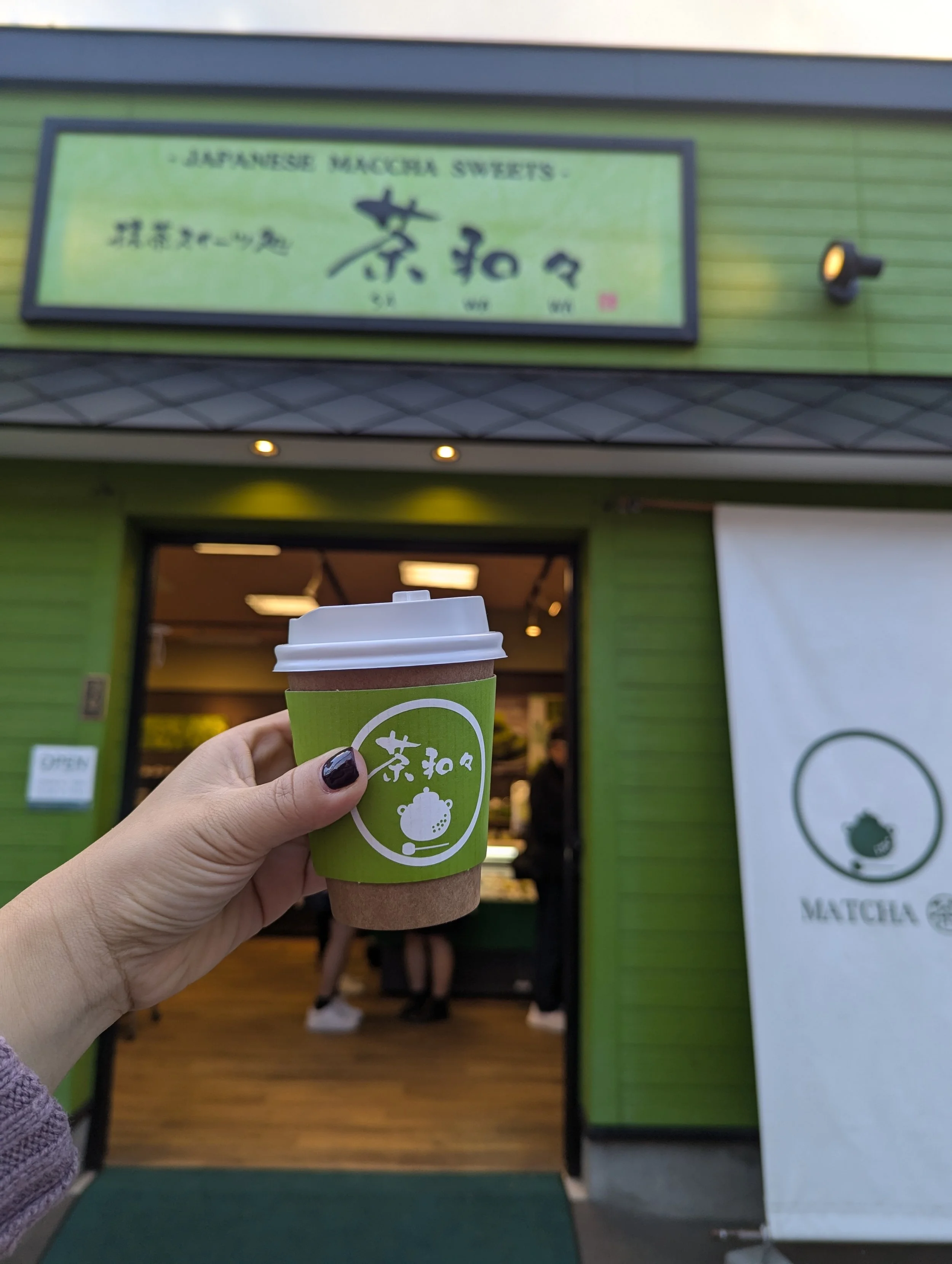
Next, we visited Sawawa Matcha for dessert, where we had their rich matcha ice cream (they have different levels of richness), then went back to try the hojicha ice cream and a matcha latte. They also sell packaged matcha treats.


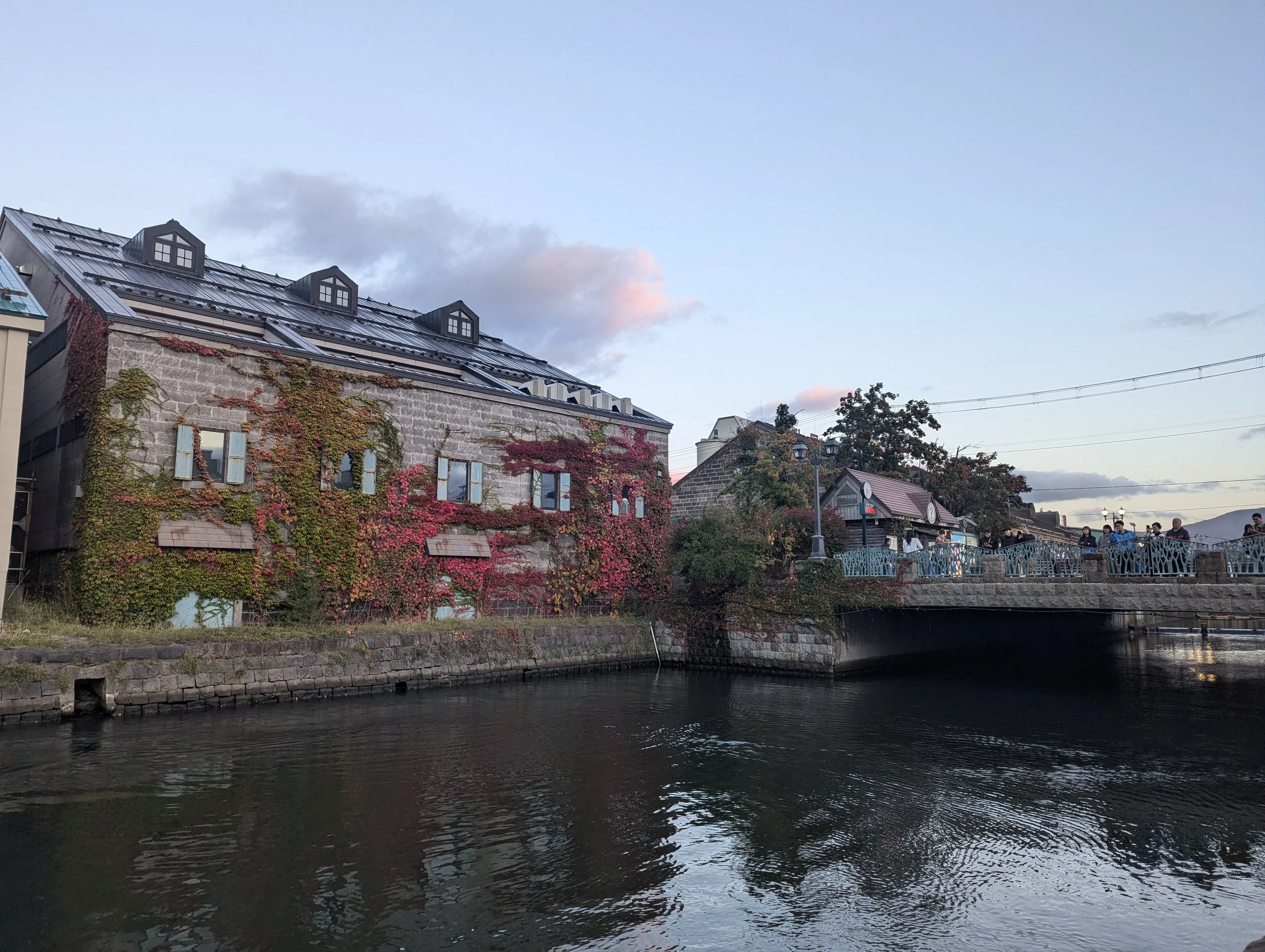
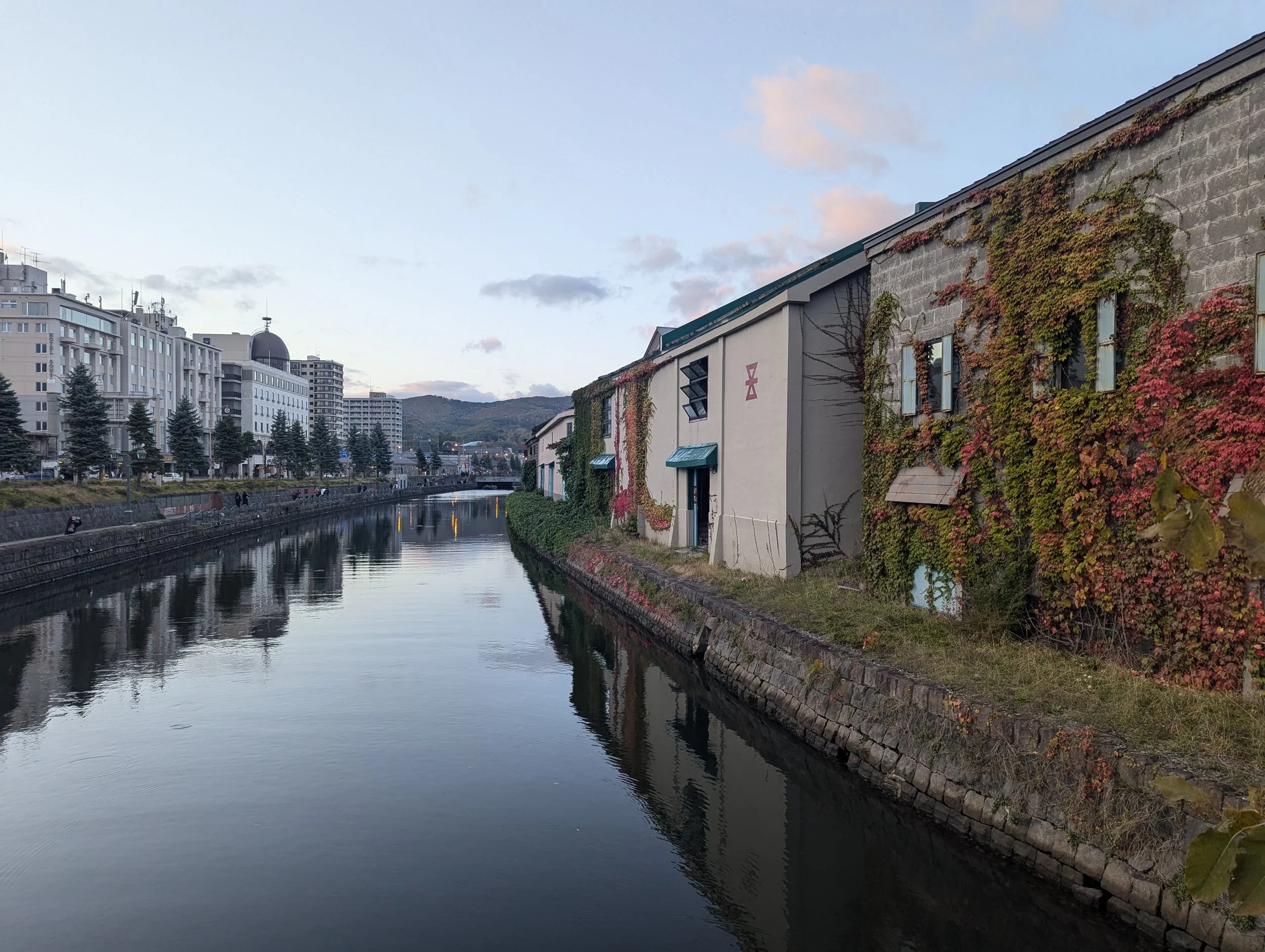
Fully satisfied, we continued exploring, eventually reaching the Otaru Canal right at dusk—perfect timing for photos before it got too dark and chilly. It’s a nice short walk and the ivy covered building on the far side of the canal is beautiful.

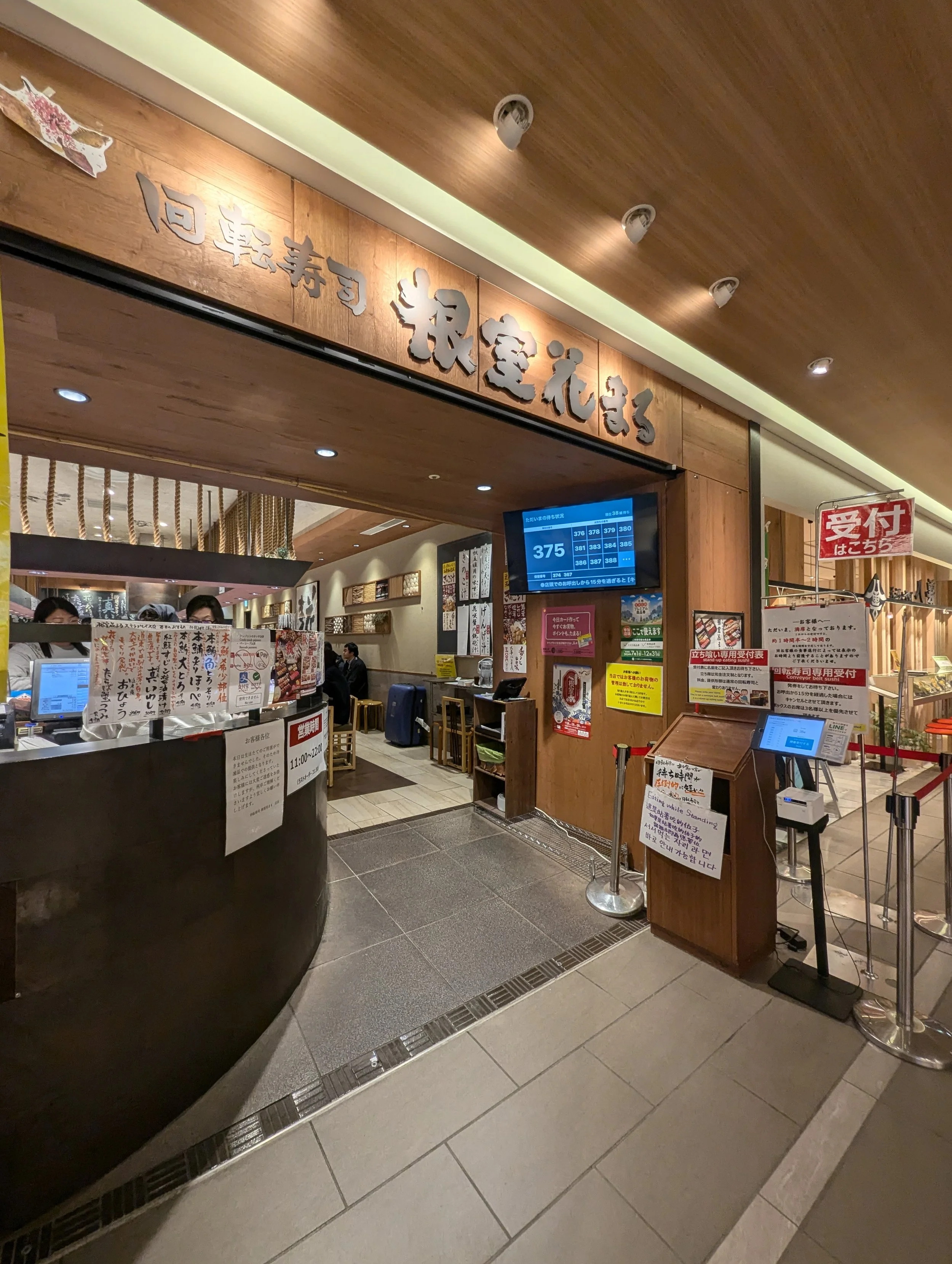
We left Otaru at 5 PM. Parking for the day cost 1,000 yen (about $8). By the time we made it back to Sapporo, refueled and returned the rental car to Toyota in Sapporo, it was about 6PM. We walked 15 minutes back to our hotel to take a short break and figure out what we wanted to do for dinner. By 7 PM, we headed to Nemuro Hanamaru Sushi, a well-known conveyor belt sushi restaurant inside Sapporo Station (there are several locations). Online reviews warned of long waits, and sure enough, when we arrived, we were number 376 with over 60 groups ahead of us. Luckily, it’s a virtual line and you can check your place in line on your phone. Instead of waiting aimlessly, we decided to check out the JR Tower Observatory (720 yen per person), also located within the station, where we spent an hour admiring views of Sapporo. From up there, we could see landmarks like the Sapporo TV Tower, and the Ferris wheel in Susukino. For us, we were mesmerized watching trains enter and leave the station below us.
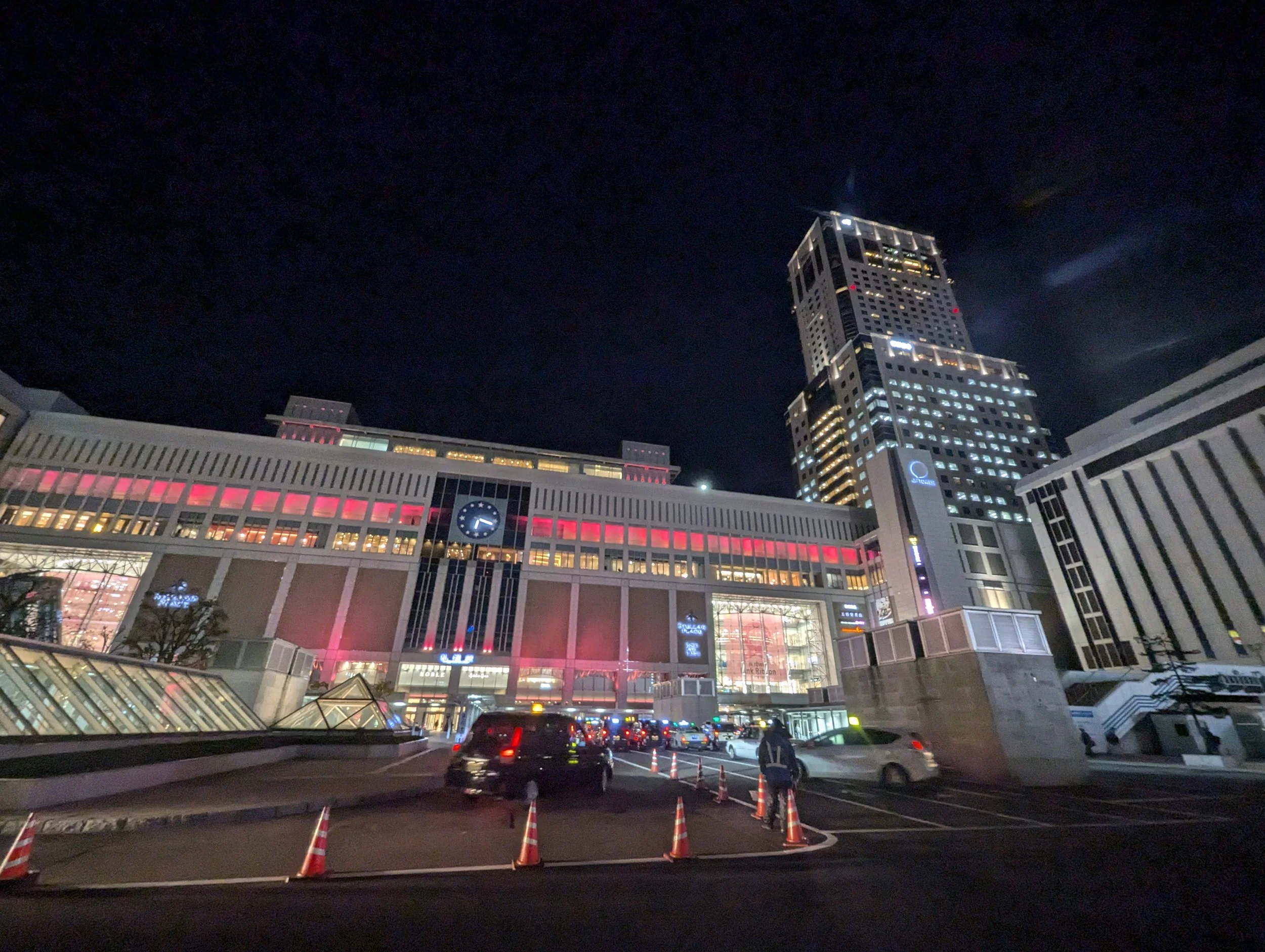
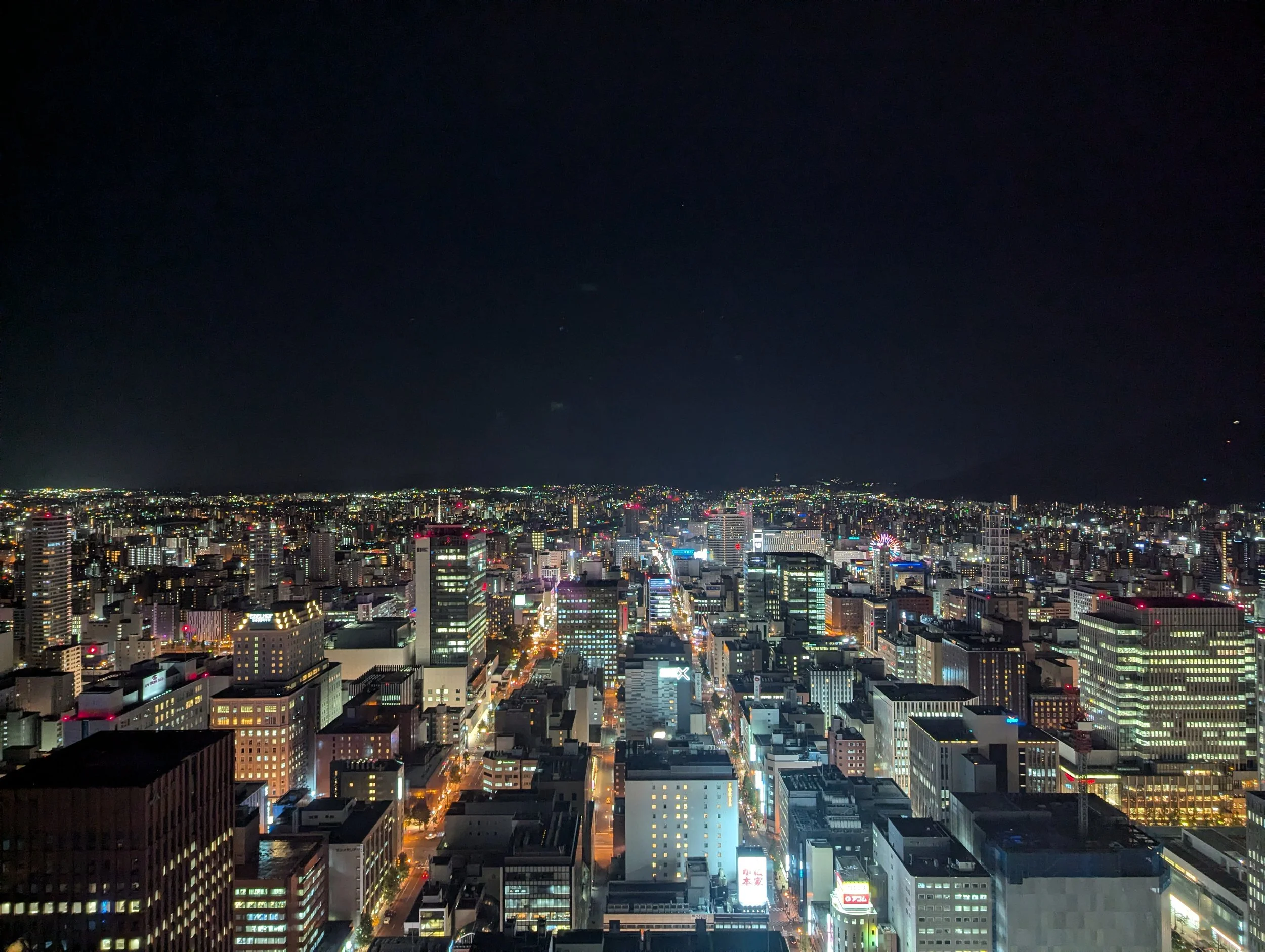

When we returned to the restaurant at 8:15 PM, there were only six groups ahead of us. The 6th floor of the building had a variety of restaurants, including a soba shop, a café advertising a black sesame salt latte that sounded intriguing, as well as places serving tonkatsu, Aka miso ramen, Chinese food, omurice, ramen, and soup curry.
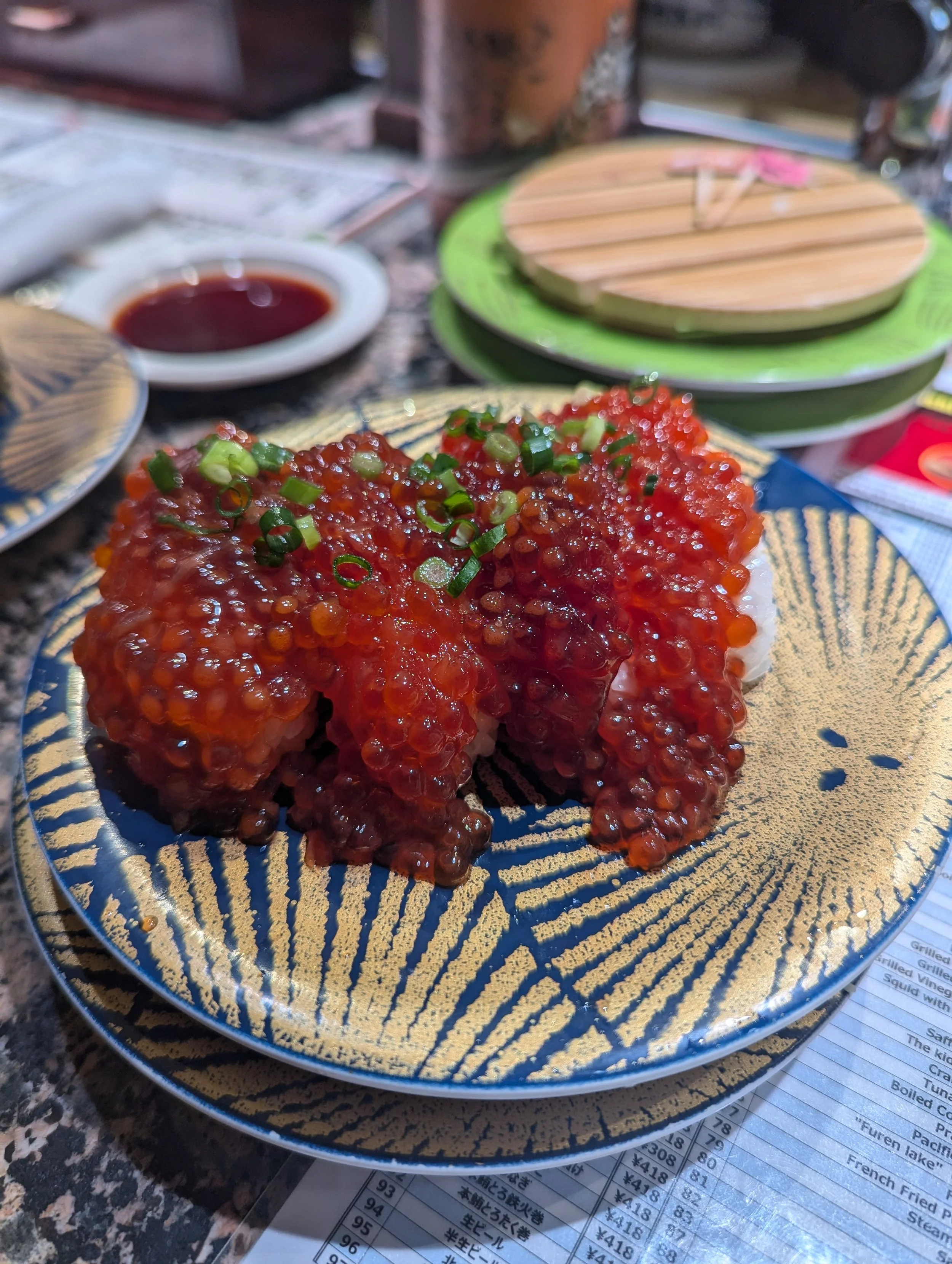
We were called at 8:33 PM and had a short additional wait inside the restaurant before being seated. Dinner was fantastic, and we wrapped up by 9:20 PM, spending a total of 5,390 yen. In addition to pulling plates off the conveyor belt, you can place orders for made-to-order sushi. Our favorites were the scallop and I think mackerel.
After a packed day of food and sightseeing, we were in bed before 10:30 PM, exhausted but incredibly happy with everything we experienced. Hokkaido continued to surprise and delight us with its incredible food and scenery!

Day 9 - October 25: Sapporo
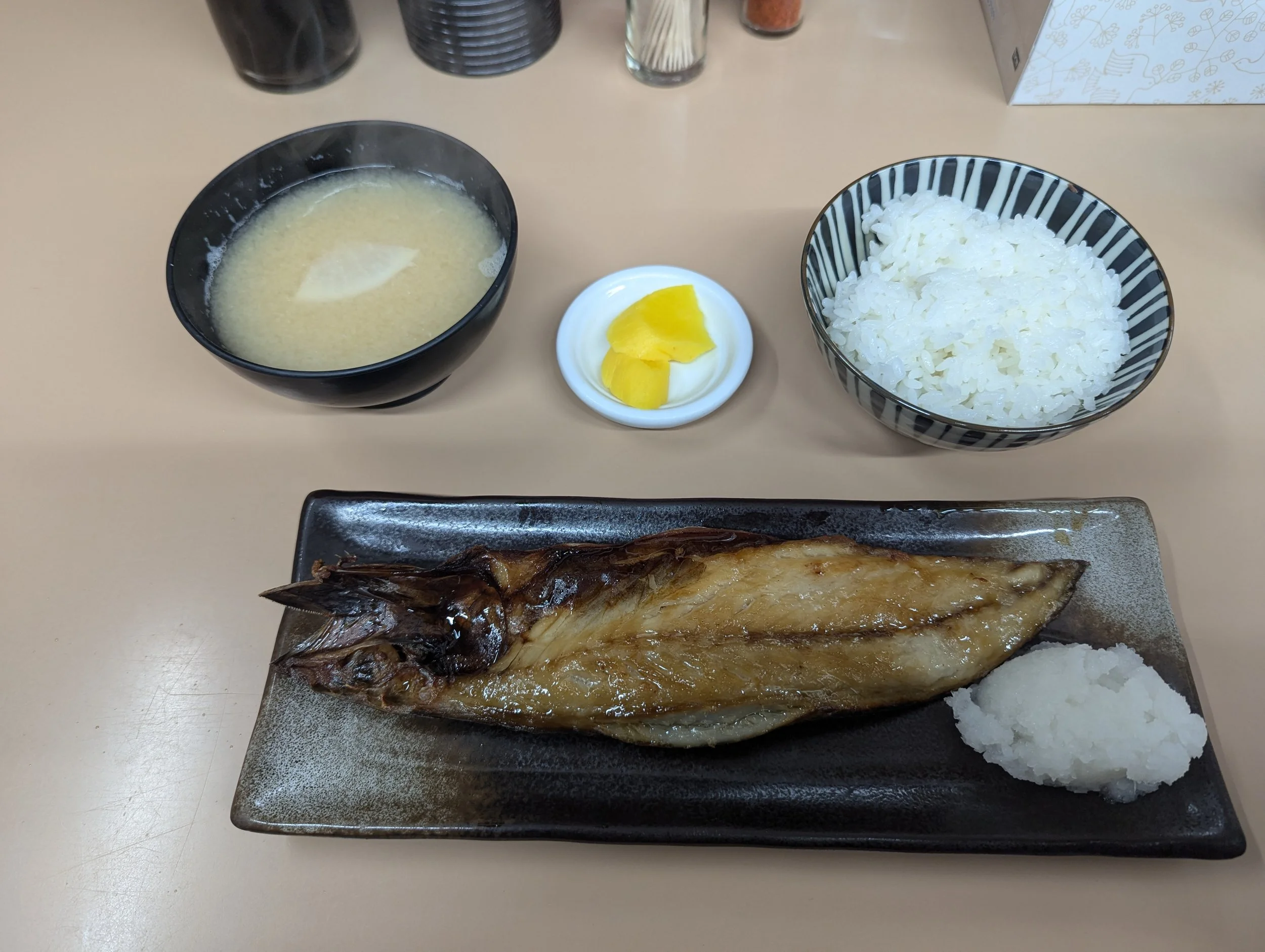
We woke up at 6:30 AM and left the hotel by 7:30 AM, ready to make the most of our final full day in Sapporo. Our first stop was Nijo Market, visiting the shop with the long line from the day before. This time, we arrived at 8:10 AM and found no line, securing seats just as a couple was leaving. Most of the clientele was older. The restaurant had an English menu, but all signage and conversation were in Japanese. The setup was intimate, seating 16 guests around the grill and kitchen, with three additional seats on the side. I had grilled mackerel, upgrading to a meal set with rice and miso soup for 900 yen, while Kevin ordered the ikuradon meal set for 3,200 yen. Most diners opted for grilled fish, including sablefish, salmon, mackerel, or dried fish - for good reason! My grilled mackerel was incredible and I still think about it today! The flesh was tender and moist, and the skin perfectly salted and crispy.
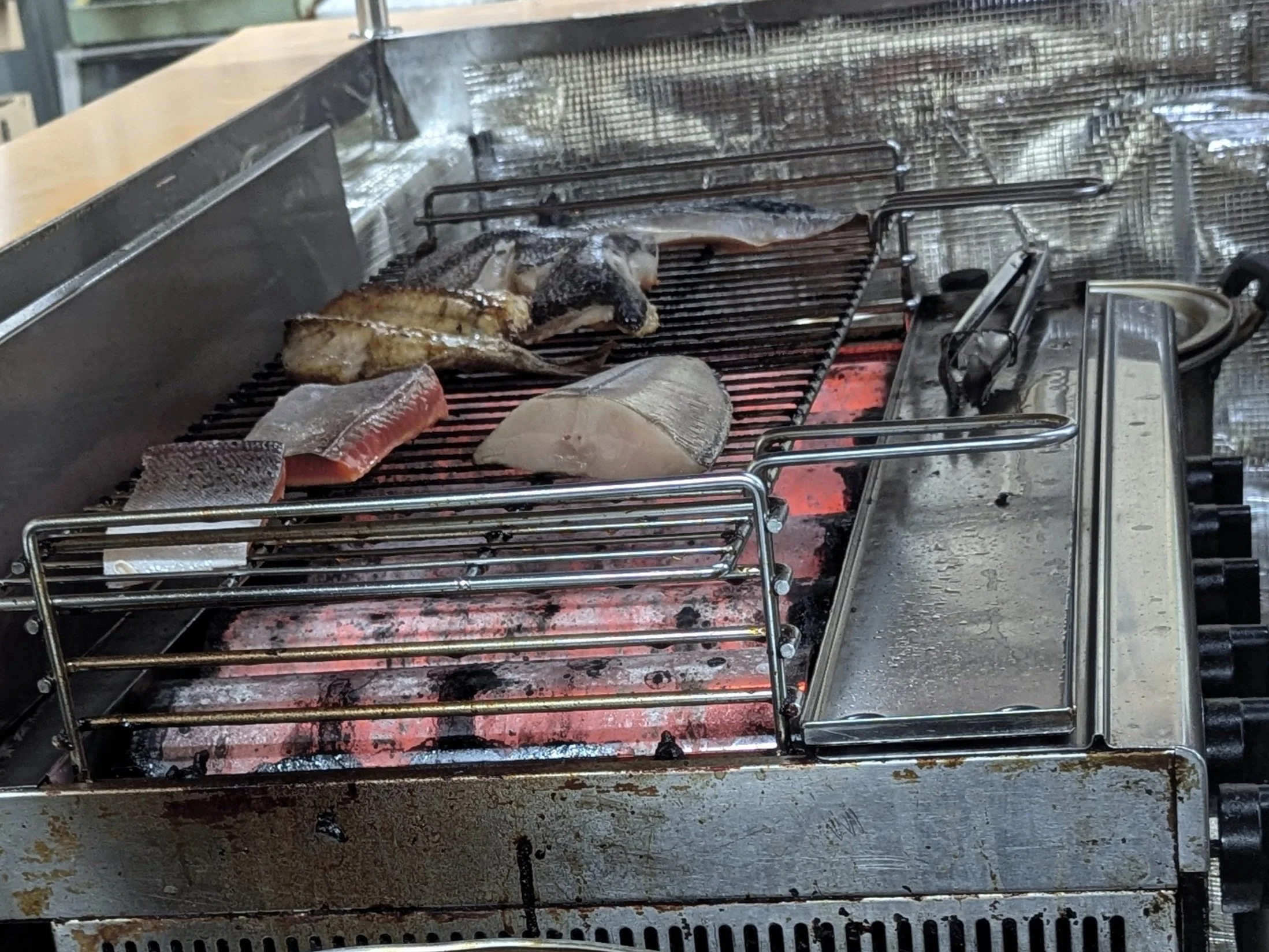
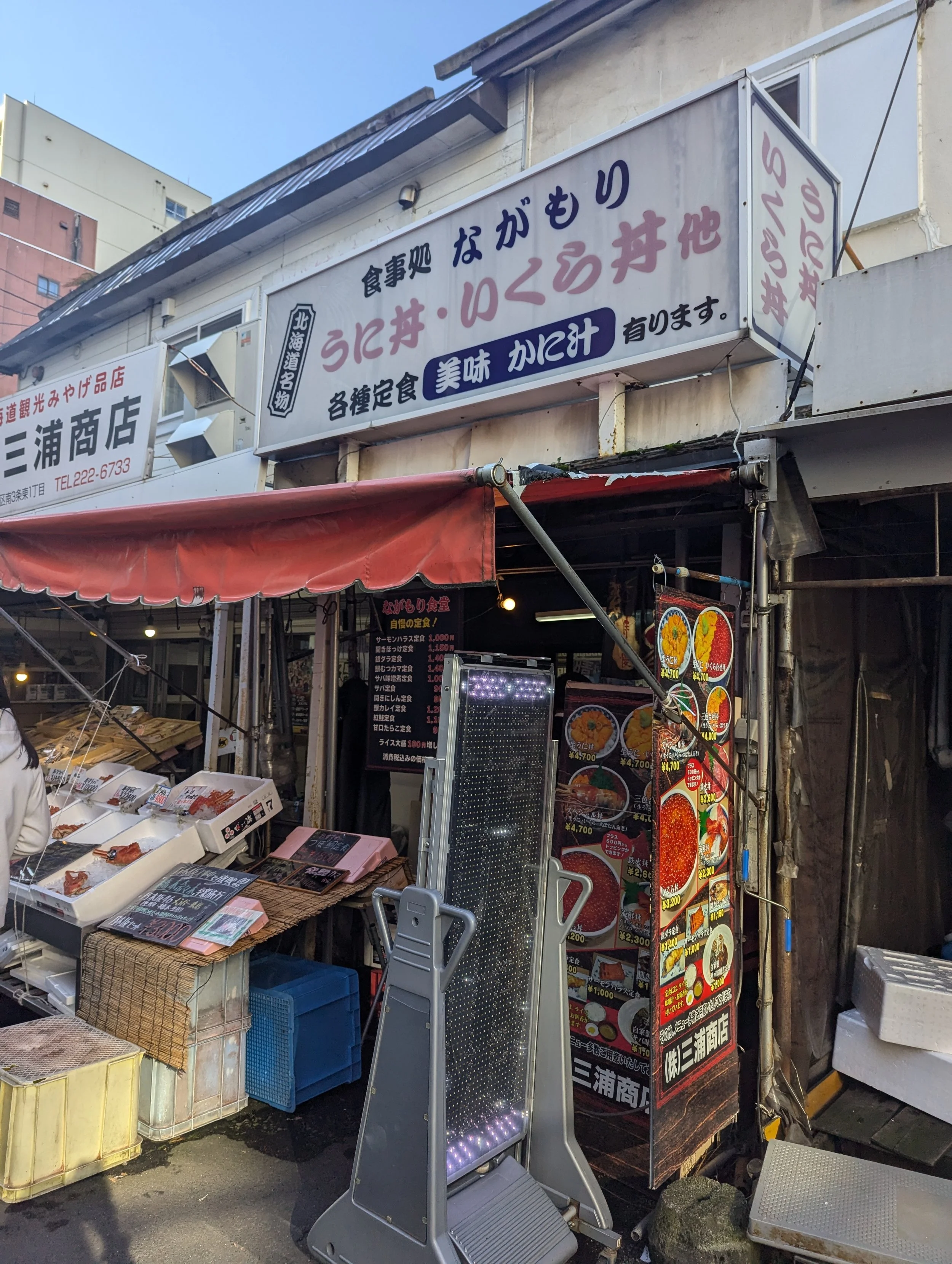
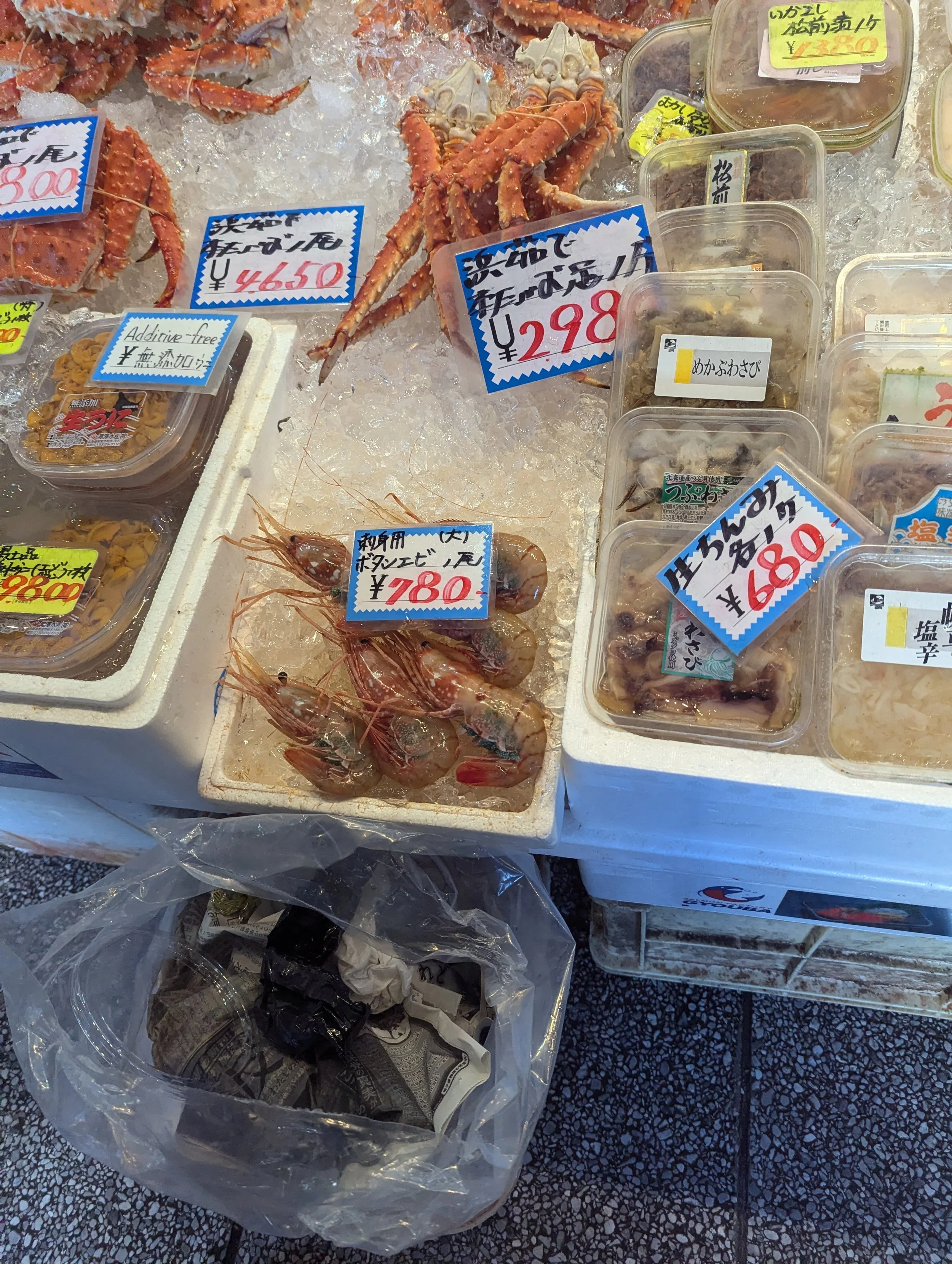
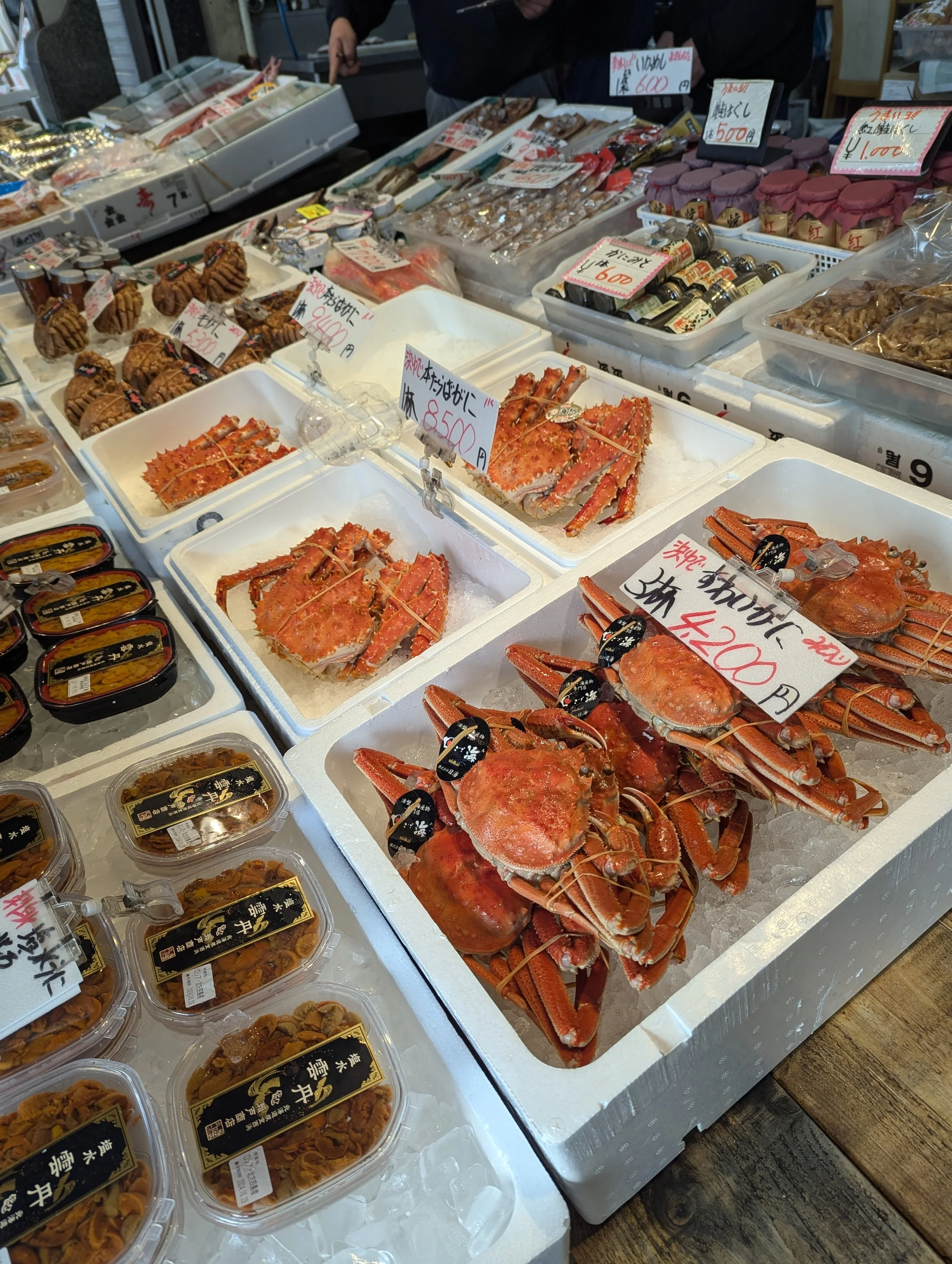
We finished eating around 9:00 AM and explored the small market before heading to our next destination. Nijo Market is much smaller than the other fish markets we’ve been to - for example in Tokyo (Tsukiji), Kyoto (Nishiki), Kanazawa (Omicho) and Hakodate Morning Market.

At 9:10 AM, we arrived at the Sapporo TV Tower, right by Odori Station and Odori Park, which opens at 9:00 AM. We purchased day-and-night tickets for 1,500 yen each. The observation deck is small, and there is a gift shop and a shrine packed in as well. A Chinese tour group of older ladies aggressively made their way through, pushing past us and the schoolchildren, making the space feel even more cramped. The north side housed the gift shop, and after taking in the view and enjoying the foliage of Odori Park, we descended at 9:40 AM.
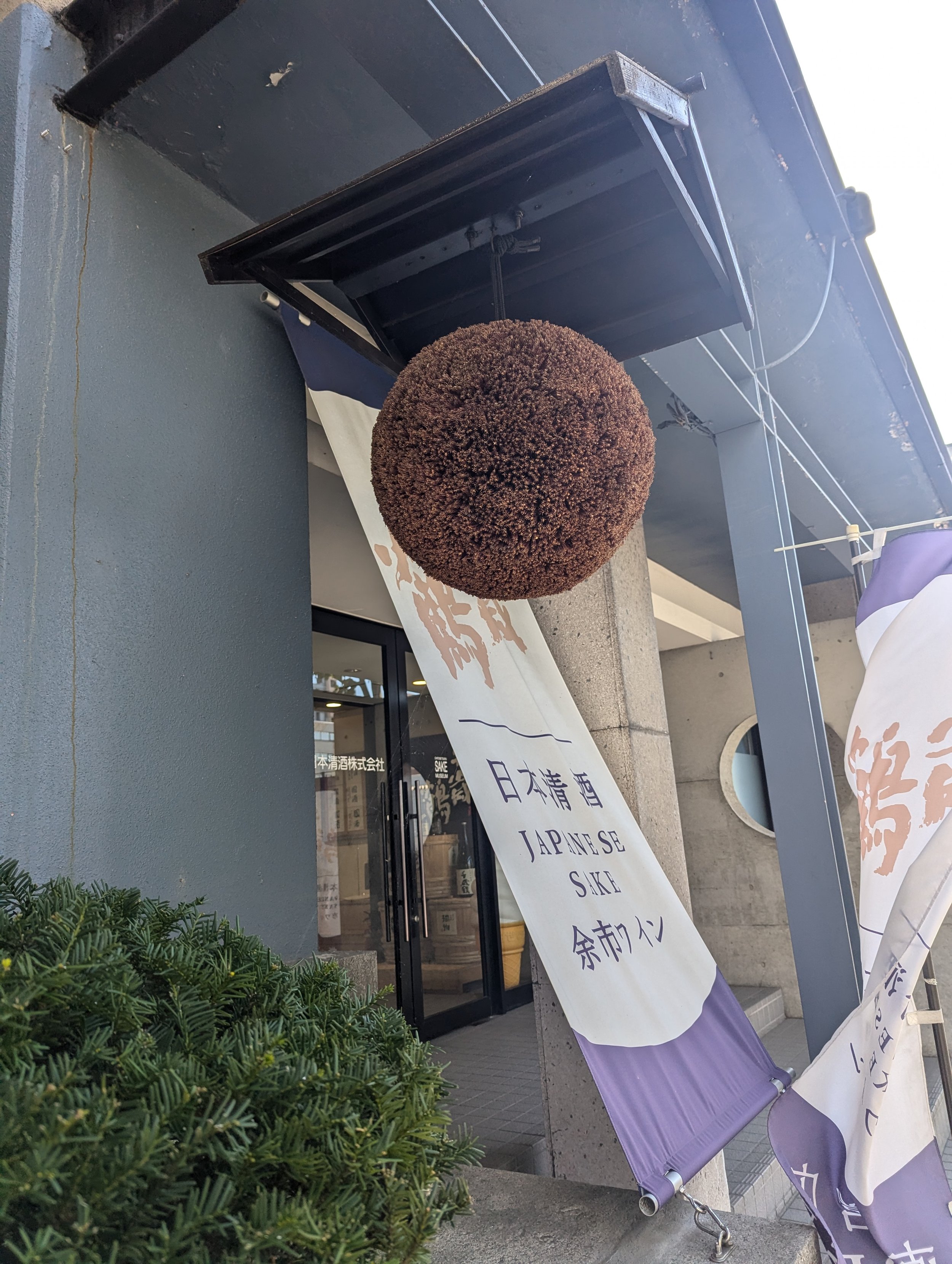
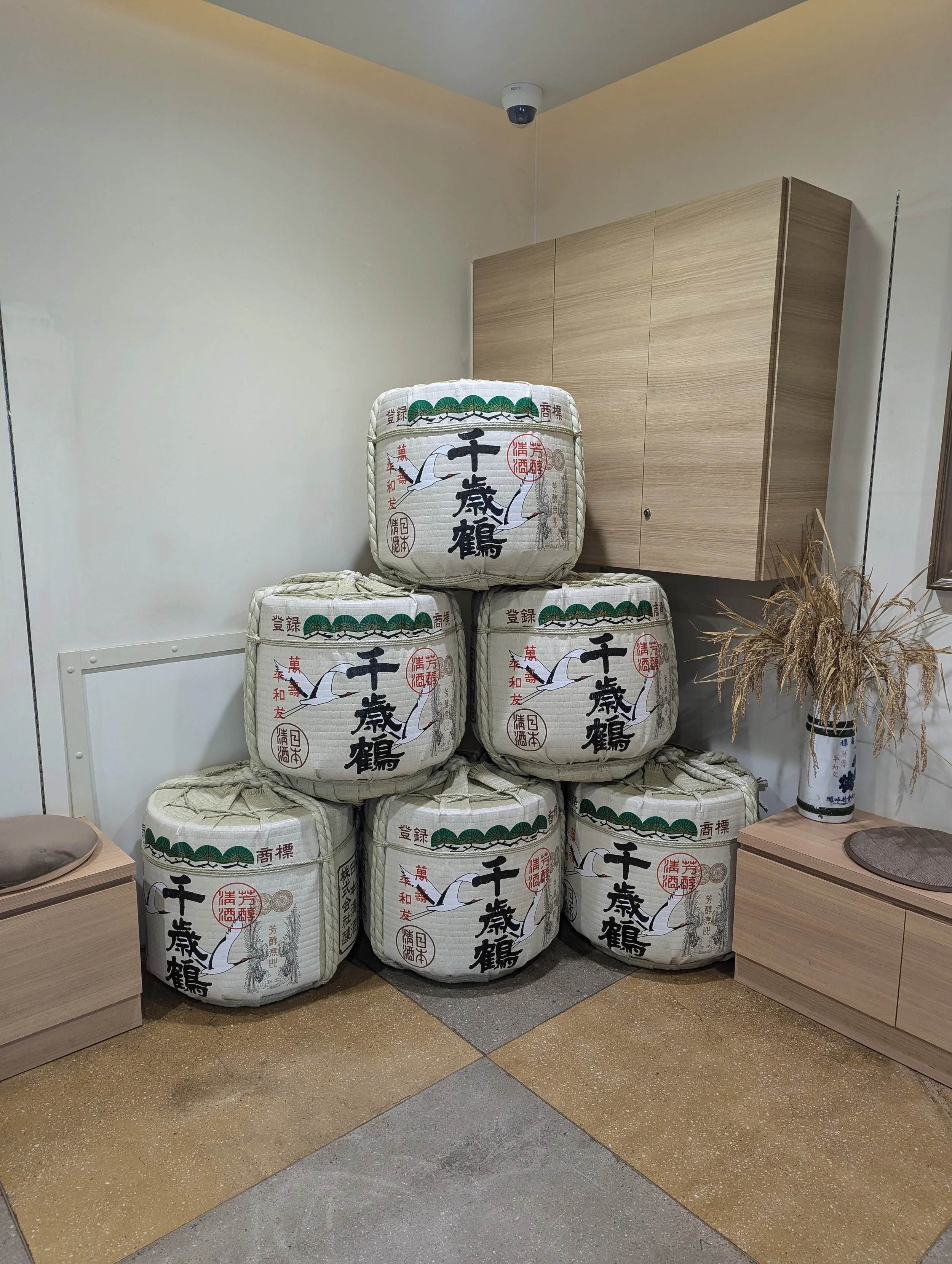
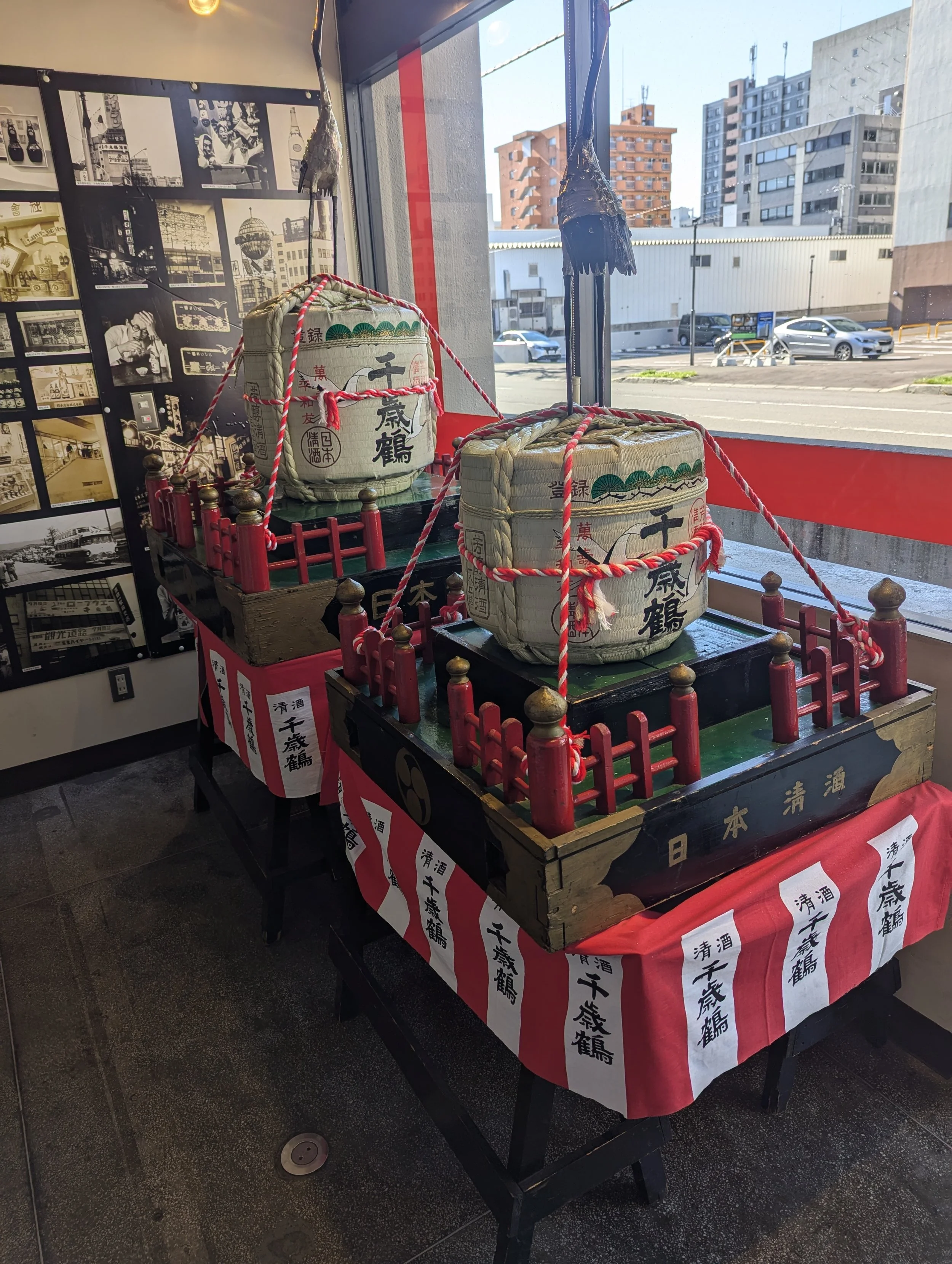
Next, we visited the Chitosetsuru Sake Museum, which we had seen on a brochure from the hotel. It was a nice leisurely walk that led us to what felt like the edge of town, to a quieter more residential area. We arrived at 10:20 AM. The place was eerily quiet, with no one at the front, so we navigated to the shop for instructions. The museum, which is free to enter, highlights sake’s role as a symbol of celebration and unity. We learned about ochoko, small ceramic cups used to serve sake, where people take turns pouring for each other as a sign of respect and friendship. However, the museum itself was tiny and underwhelming, so we adjusted our plans and headed to the Sapporo Beer Museum instead.
On our way, we passed the Sapporo Factory Mall around 10:50 AM, which is the old Sapporo beer factory, and decided to explore. We grabbed coffee and browsed through shops like Snow Peak before leaving at 11:40 AM.
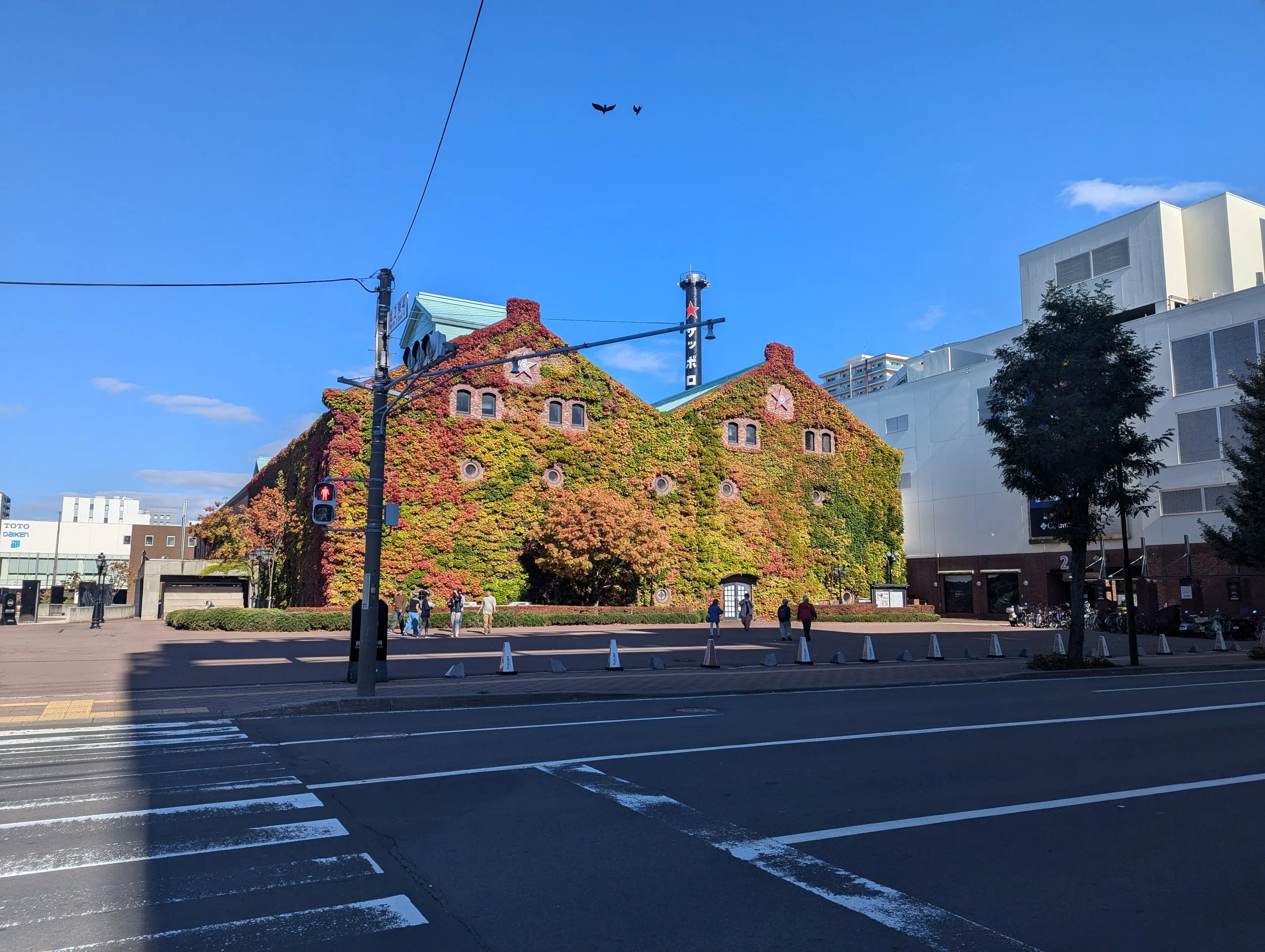

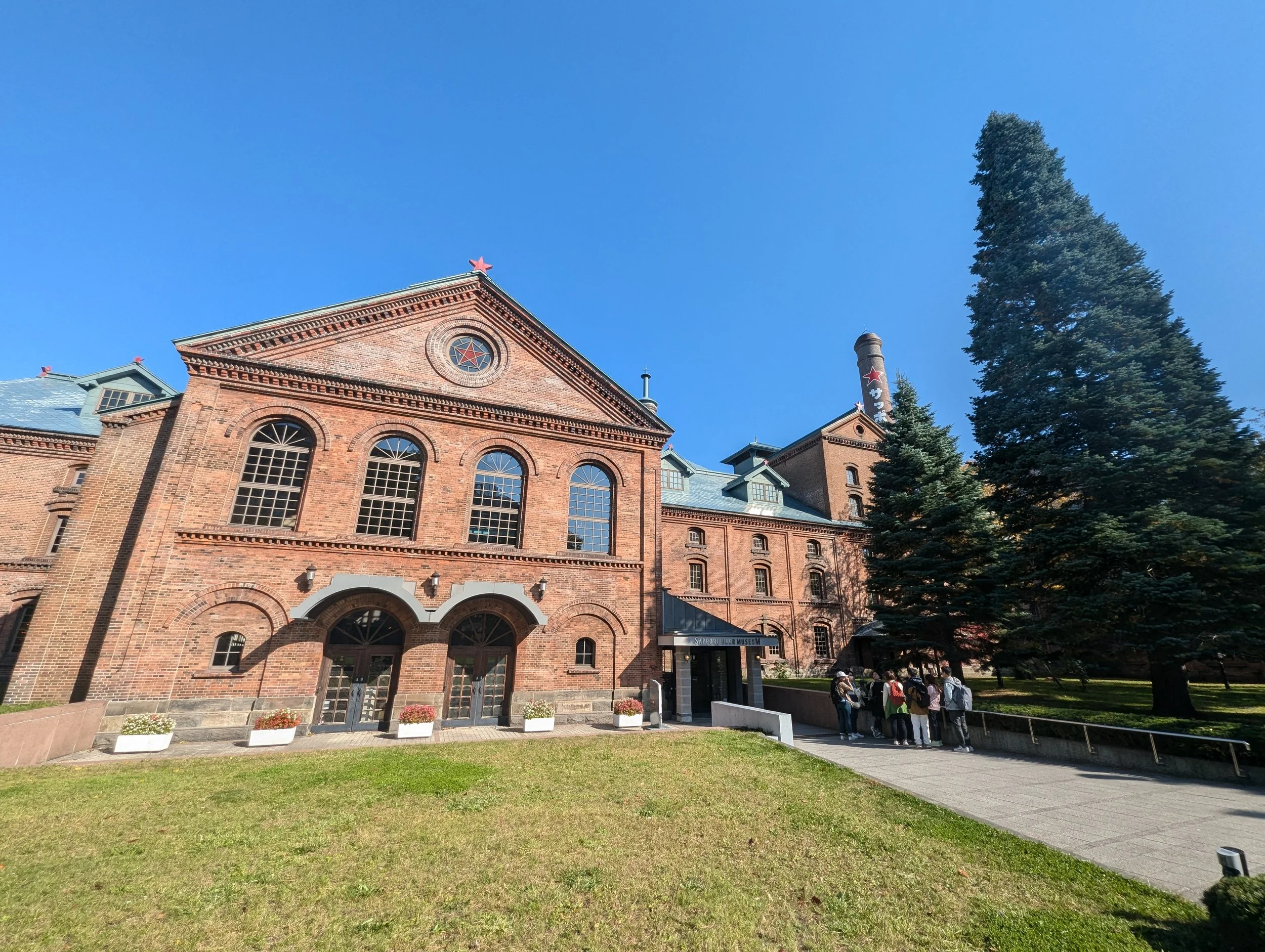
We continued our walk, which took us through and underground tunnel, and arrived at the Sapporo Beer Museum at noon. Since all the premium tours were fully booked, we did the self-guided free tour (if this is something interesting to you, I’d recommend you book ahead. It is very popular, we just didn’t rank it high on our list of things to do in Sapporo since we don’t really drink). The facility, established in 1905, operated as a brewery until 1965. We learned that in 1876, the Kaitakushi government hired Japanese brewers trained in Germany to introduce beer to Japan. In 1877, a large bottle of Sapporo beer sold for 0.16 yen, while sake was roughly 0.045 yen per 1.8L. Since beer was new to the Japanese palate, it was marketed as beneficial for stomach health. One prominent historical figure associated with the beer industry was Eiichi Shibusawa, known as the “Father of Japanese Capitalism” - to me, he looks like my grandpa.
After the museum, you end up in Star Hall and can order on a vending machine. For 1,000 yen, we opted for the tasting course, which included three 240mL beers: Black Label, Classic, and Kaitakushi. The Kaitakushi beer is brewed using the same traditional methods as in the Meiji era when beer was first produced in Hokkaido, and is only available at Star Hall, and cannot be purchased in stores! We finished around 1:00 PM, retrieved our belongings from a coin locker (deposit refunded upon return), and set off to find matcha.


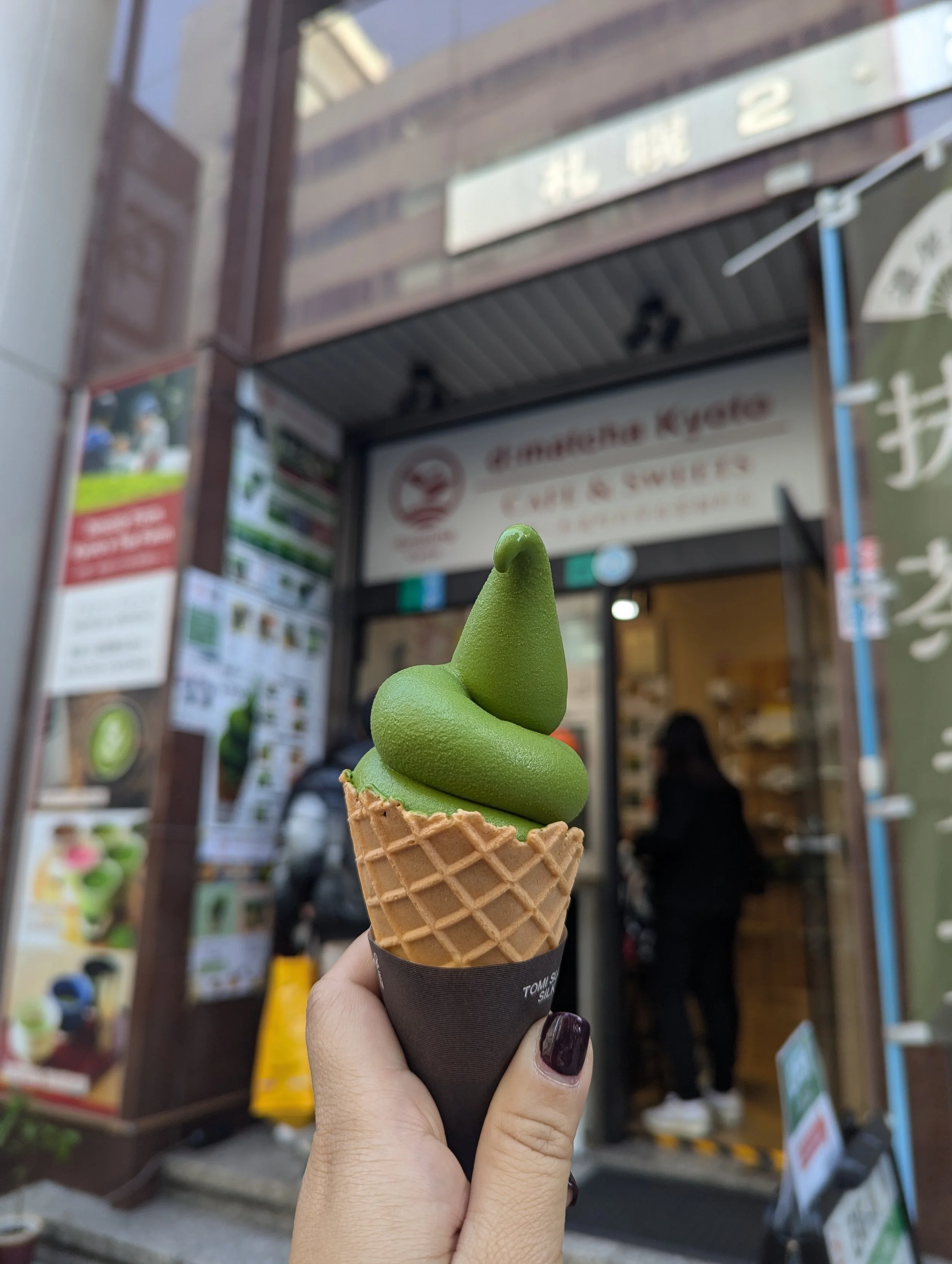
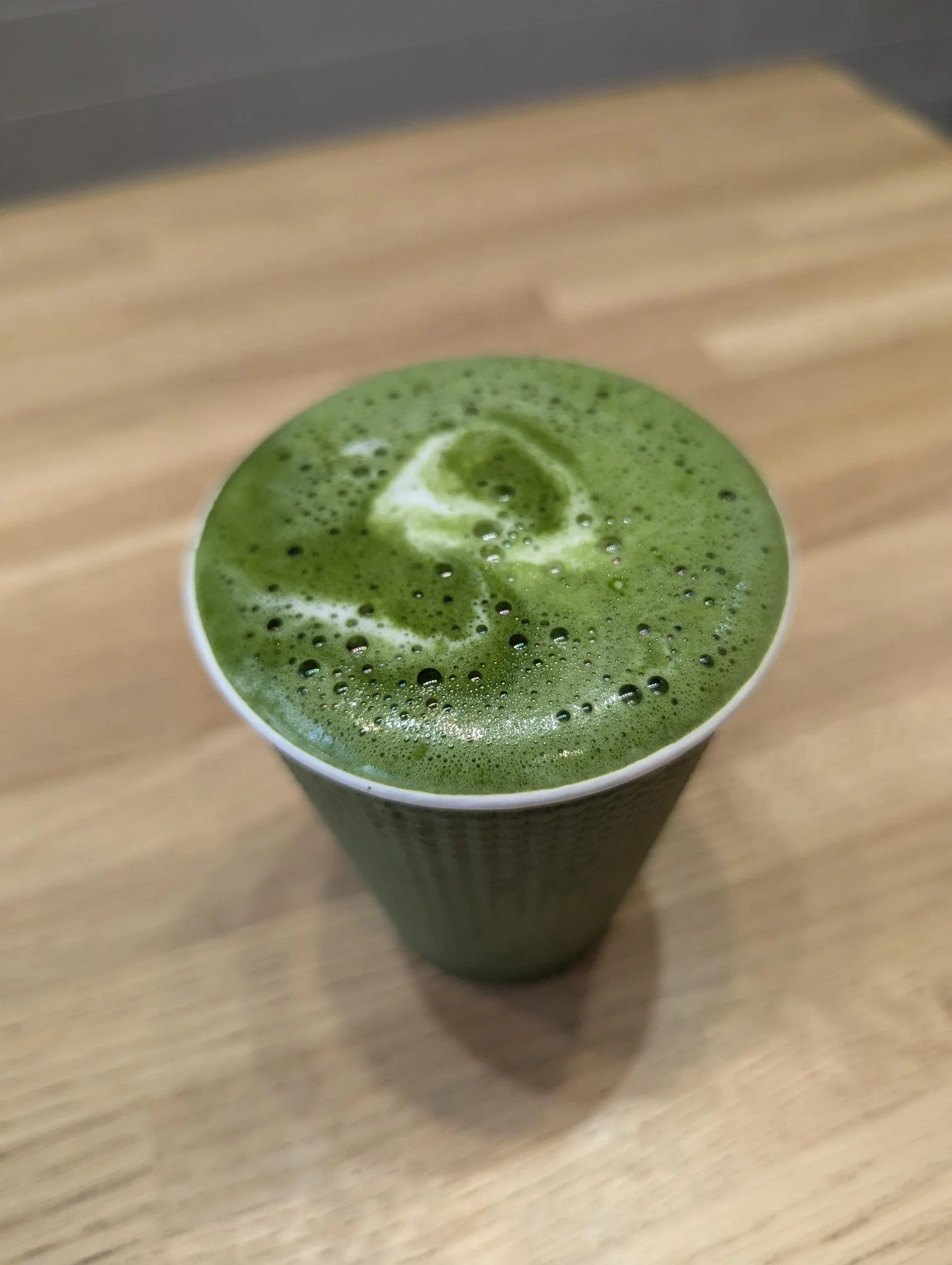
I’d found this matcha place by browsing Google Maps, and was hoping to be able to do a tasting with them. I had read that they offer workshops that teach about growing the tea, the ceremony of matcha, the art, etc. I didn’t really know what to expect. We stopped by d:matcha, which was a tiny shop that was more of a vestibule, with two stools, and a take out window. We weren’t able to secure a reservation for the workshop, but we did treat ourselves to a mid-day snack. Kevin got a hot matcha latte with ceremonial-grade matcha and an extra shot (2 grams added to the regular 4-gram portion). I opted for matcha ice cream. Afterward, we headed to Sapporo Station to purchase our train tickets for our departure the next day and then spent some time exploring the station and its shops until 2:30 PM.

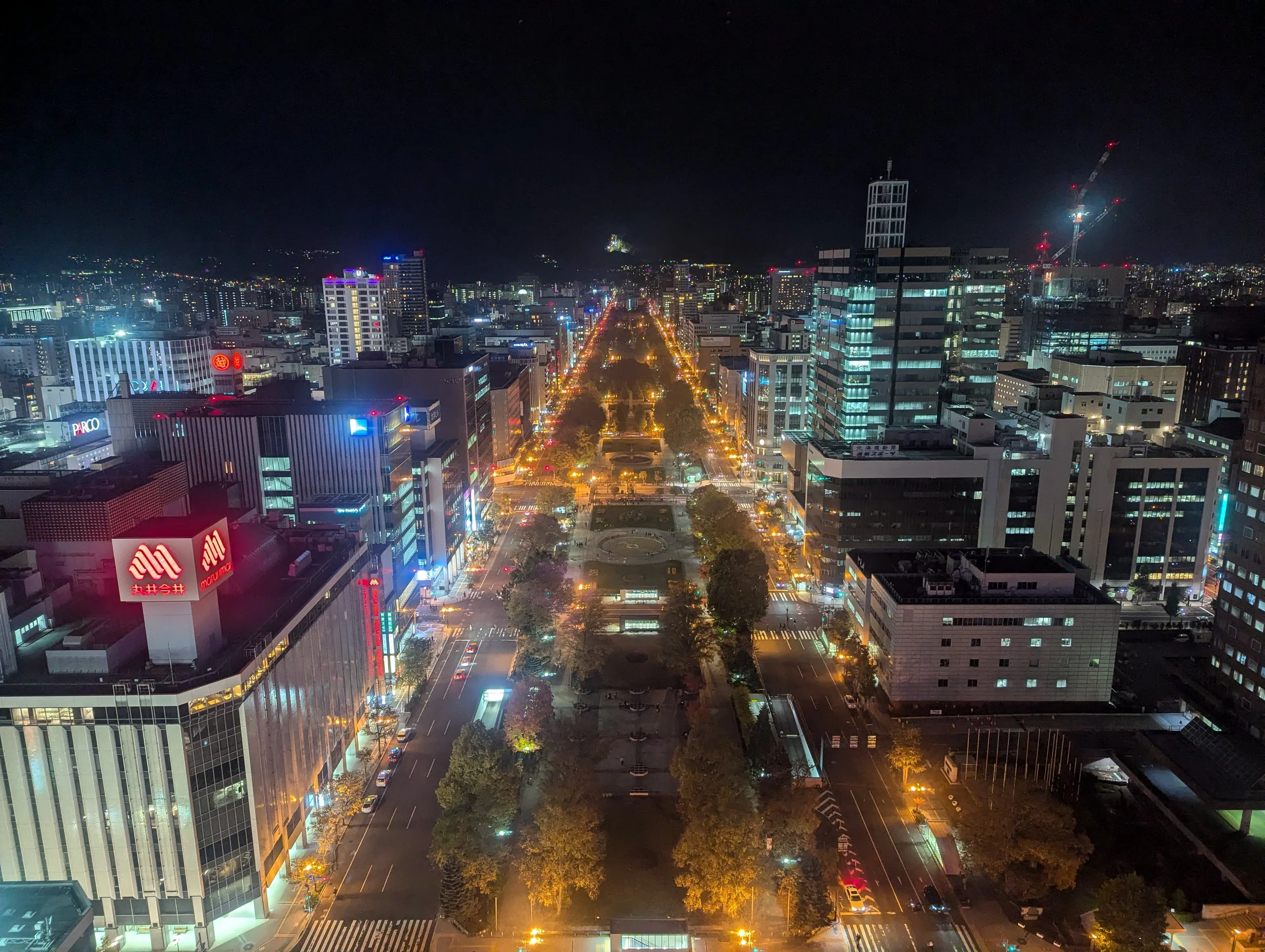
Back at our hotel, we took a short break and enjoyed our humongous Aomori apple before packing our souvenirs and assessing our remaining luggage space. At 4:10 PM, we left to catch the last bit of sunlight at the Sapporo TV Tower, walking underground to save time. We arrived at 4:45 PM, just as the lights turned on, creating a picturesque view.
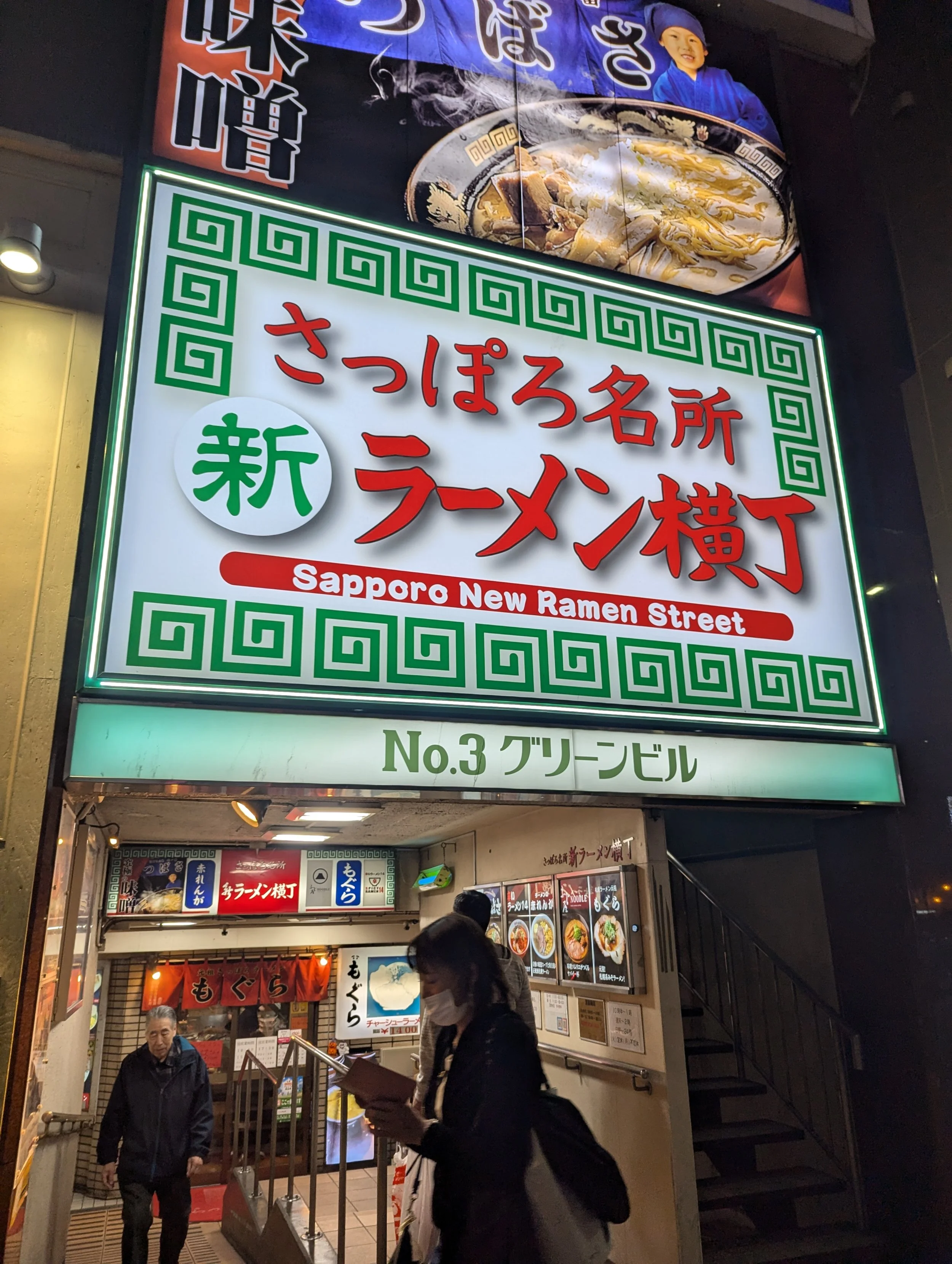
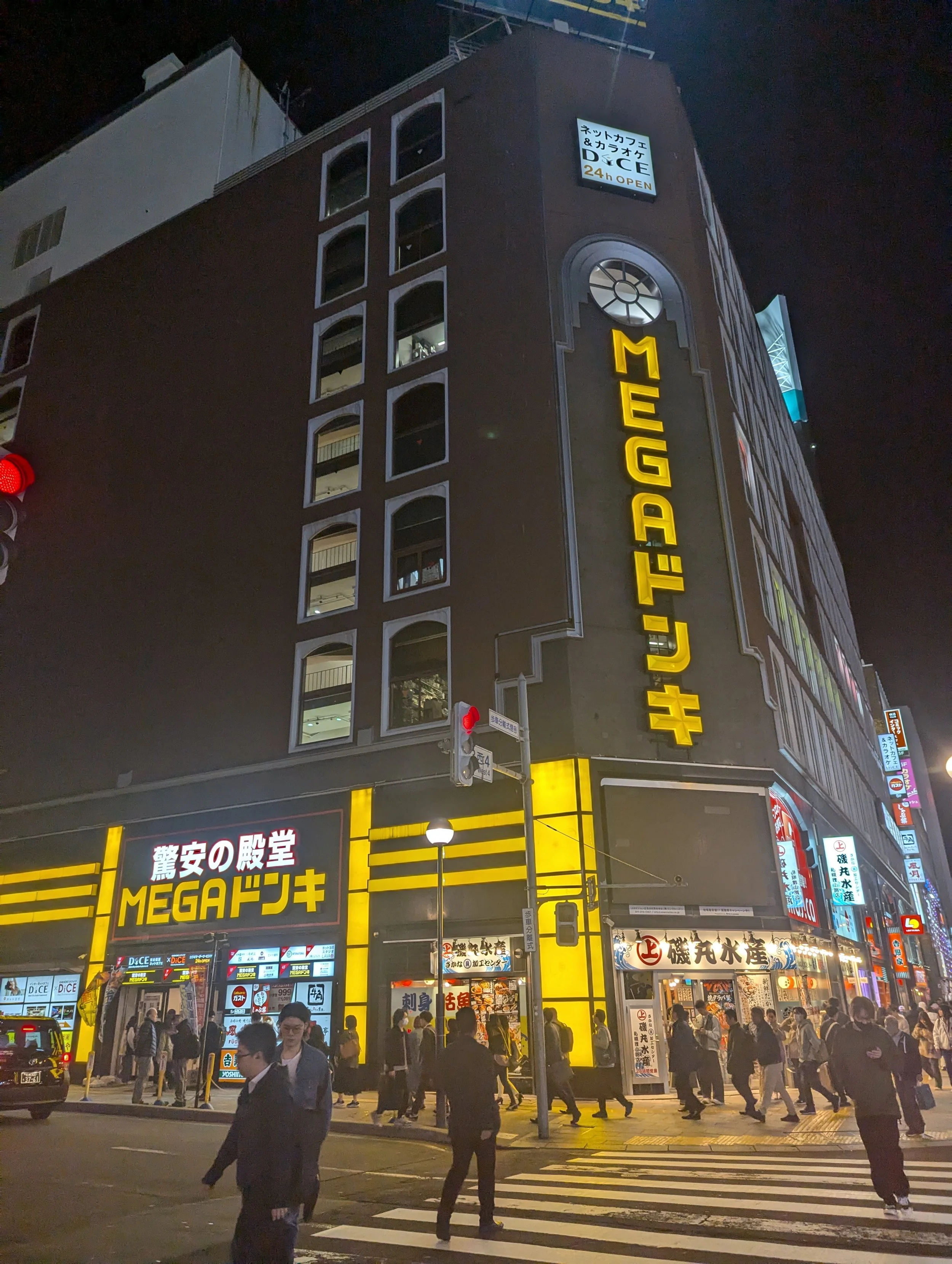
From there, we continued onward to Susukino and stumbled upon Mega Don Quijote at 5:00 PM. We would have missed it, were it not for a festive Santa and dwarves display on the side of a building as if they were falling from the roof. Don Quijote is a famous discount store in Japan that carries just about everything - cosmetics, clothing, stuffed animals, snacks, electronics, everything Pokémon and Nintendo or other anime and video game - makes for an unforgettable shopping experience and a great place to find souvenirs. We shopped until 6:00 PM before heading to dinner at Akarenga Ramen in the New Ramen Yokocho at 6:25 PM. Our food arrived by 6:30 PM—I ordered butter corn ramen for 1,280 yen, while Kevin had the Akarenga ramen for 1,480 yen, which came with massive pieces of pork. We also shared gyoza for 600 yen. In true ramen shop style, we were done by 6:50 PM, we were finished and continued our evening stroll.
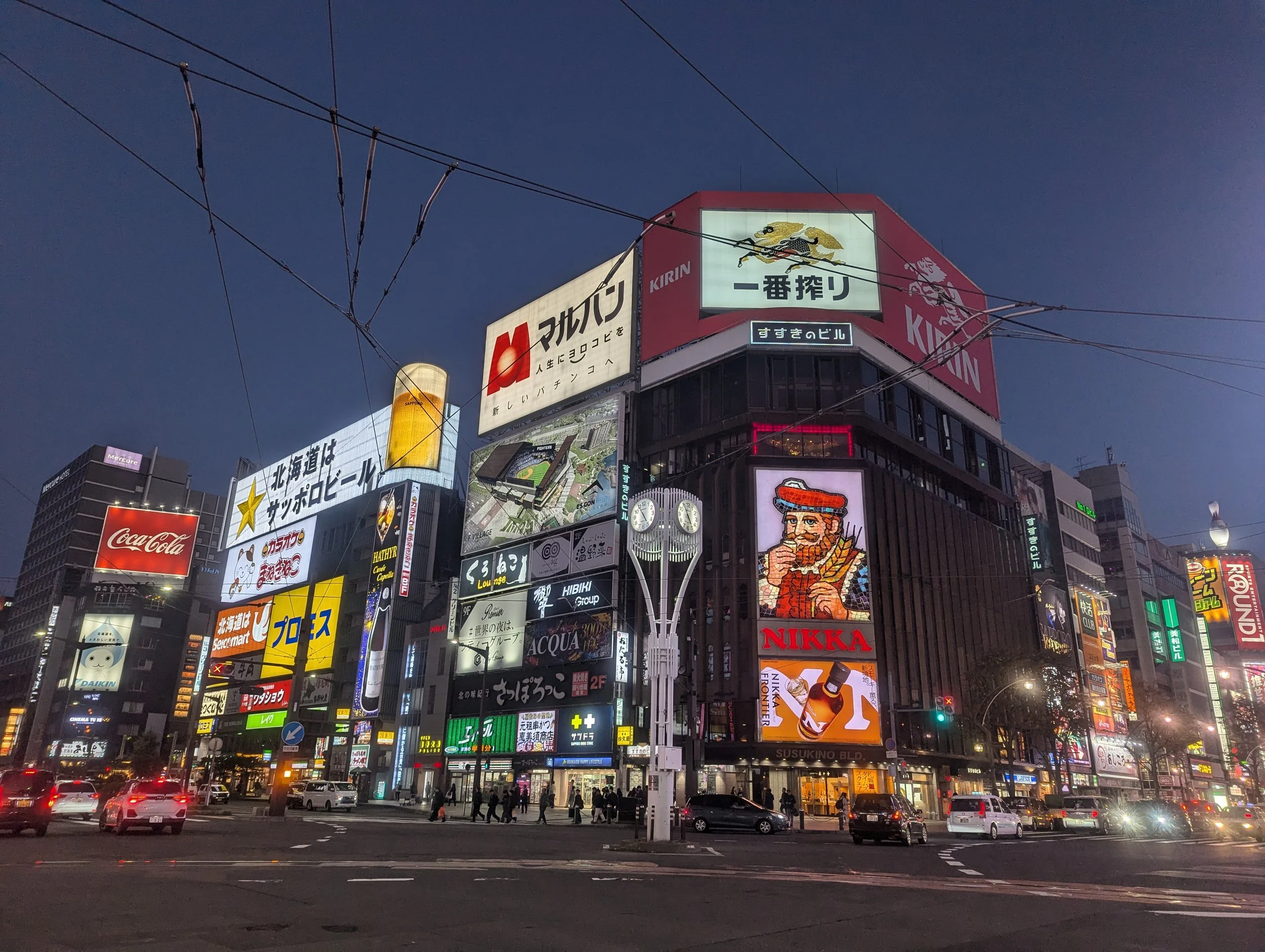
We walked through Tanukikoji Shopping Street in Susukino, stopping at a gacha arcade before making our way back to the Sapporo TV Tower at 8:00 PM. After taking in the night view, we left around 8:30 PM but weren’t quite ready to return to the hotel yet. We decided to head back to Tanukikoji and ended up with more gacha.
By 9PM, we were exhausted from all the walking, we finally returned to the hotel. Sapporo proved to be an extremely walkable city—we didn’t take public transportation once. Our hotel, located a block from Sapporo Station, made exploring easy. From there, it was just a 15-minute walk to Susukino and Nijo Fish Market, 10 minutes from the hotel to Odori Park and the TV Tower, and about a 30-minute walk to the Sapporo Beer Museum.
We spent the night packing, and by 10:30 PM, we were in bed, wrapping up an amazing last full day in Sapporo.

Day 10 - October 26: Saying Goodbye to Hokkaido
Our final morning in Hokkaido started early, waking up at 6:00 AM to catch our flight home. The crisp 45-degree weather felt refreshing as we left the hotel at 7:00 AM, perfectly comfortable in just our sweatshirts though it sounds like it would be chilly.
The previous day, we had come to Sapporo Station to purchase our train ticket to the airport. There a few choices between Sapporo Station and New Chitose Airport (CTS): Rapid (six stops, 37 minutes), Special Rapid (three stops, 36 minutes), or Semi-Rapid (46 minutes). We boarded the 7:34 AM train from Platform 5, a smooth and efficient ride. Car 4, reserved for passengers with luggage, had six rows of seats (41 seats total), while the other cars resembled airport tram or subway-style seating.
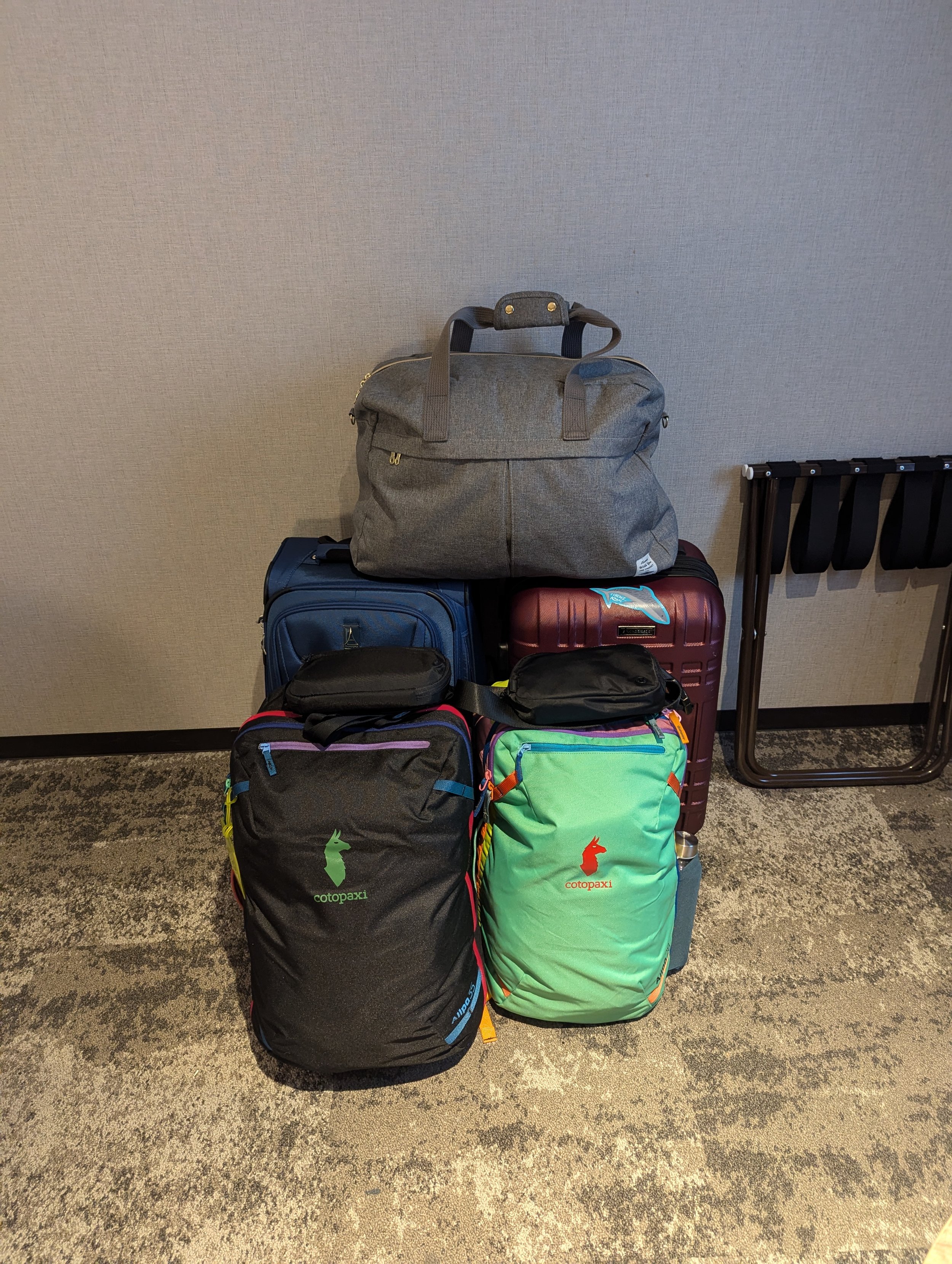
We arrived at New Chitose Airport at 8:14 AM and navigated the check-in process. Despite initially going to the Air Do counter as was listed on our flight reservation, we were redirected to ANA's counters (first 5, then 6), since ANA operated the flight. The weight limit for domestic flights is 20kg - my carryon bag was 10kg, our gray duffel 7.4kg and Kevin’s bag 9.7kg.
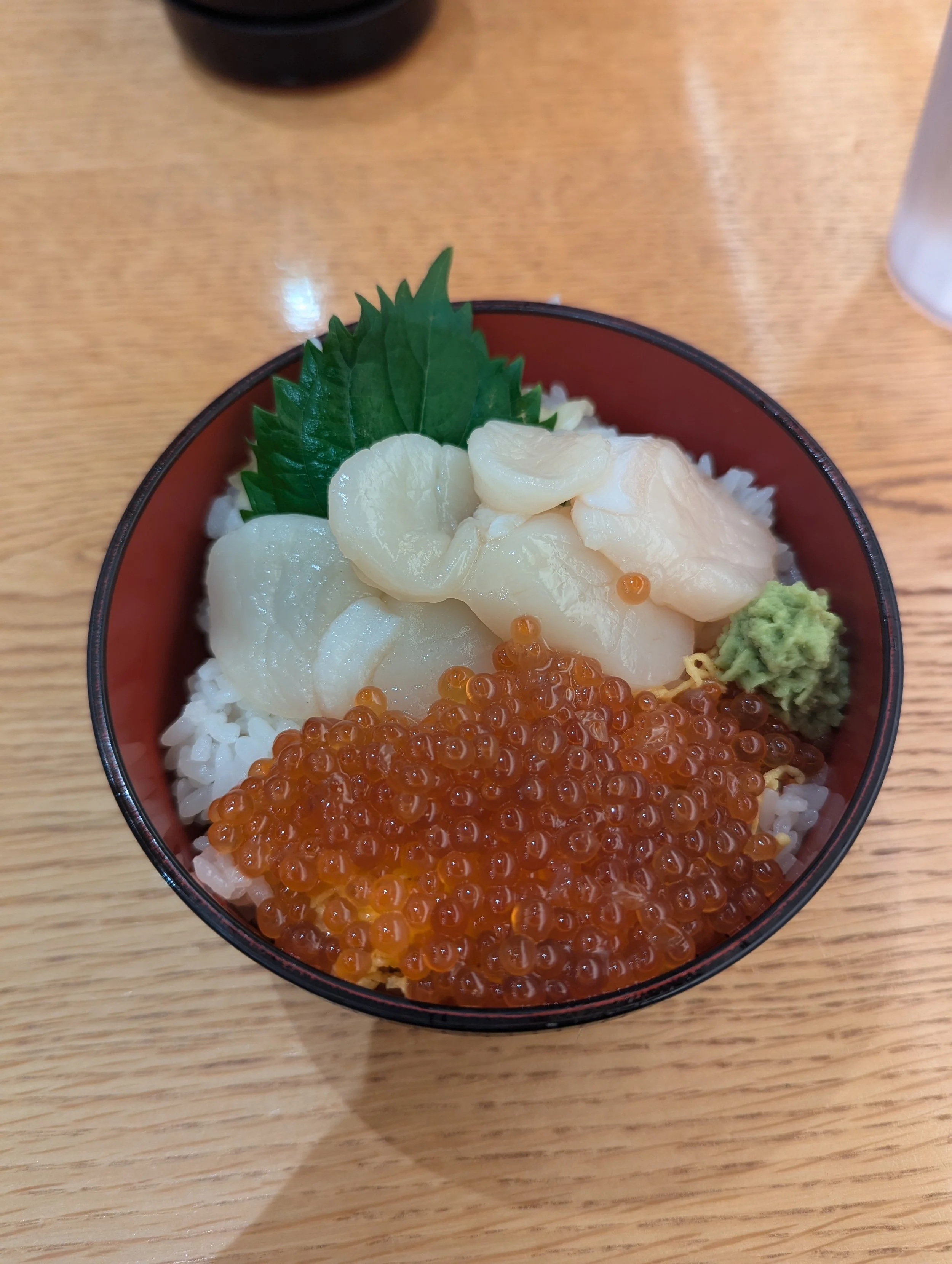
Once through security at 8:45 AM, we had time to explore. The New Chitose Airport terminal is quite small with few shops and restaurants. For our final taste of Hokkaido, we grabbed a last bowl of kaisendon at 9:07 AM—ikura and scallop for me, ikura and seared salmon for Kevin. It was a fitting farewell meal, and by 9:26 AM, we had finished eating and paid (3,980 yen).

Our flight left a few minutes earlier than it’s scheduled 10:20 departure, and we both dozed off—row 1 seats for the first time! However, somehow the passengers in row 2 managed to push past us when we landed. The flight from CTS to HND is a quick hour and a half.
We were the only ones following signs for international flight transfer - just the two of us taking a long walk across the terminal down to the airport bus. It turns out, the first stop was at our arrival location and we didn’t need to walk all that way! The bus was another 15-minute ride to Terminal 3.
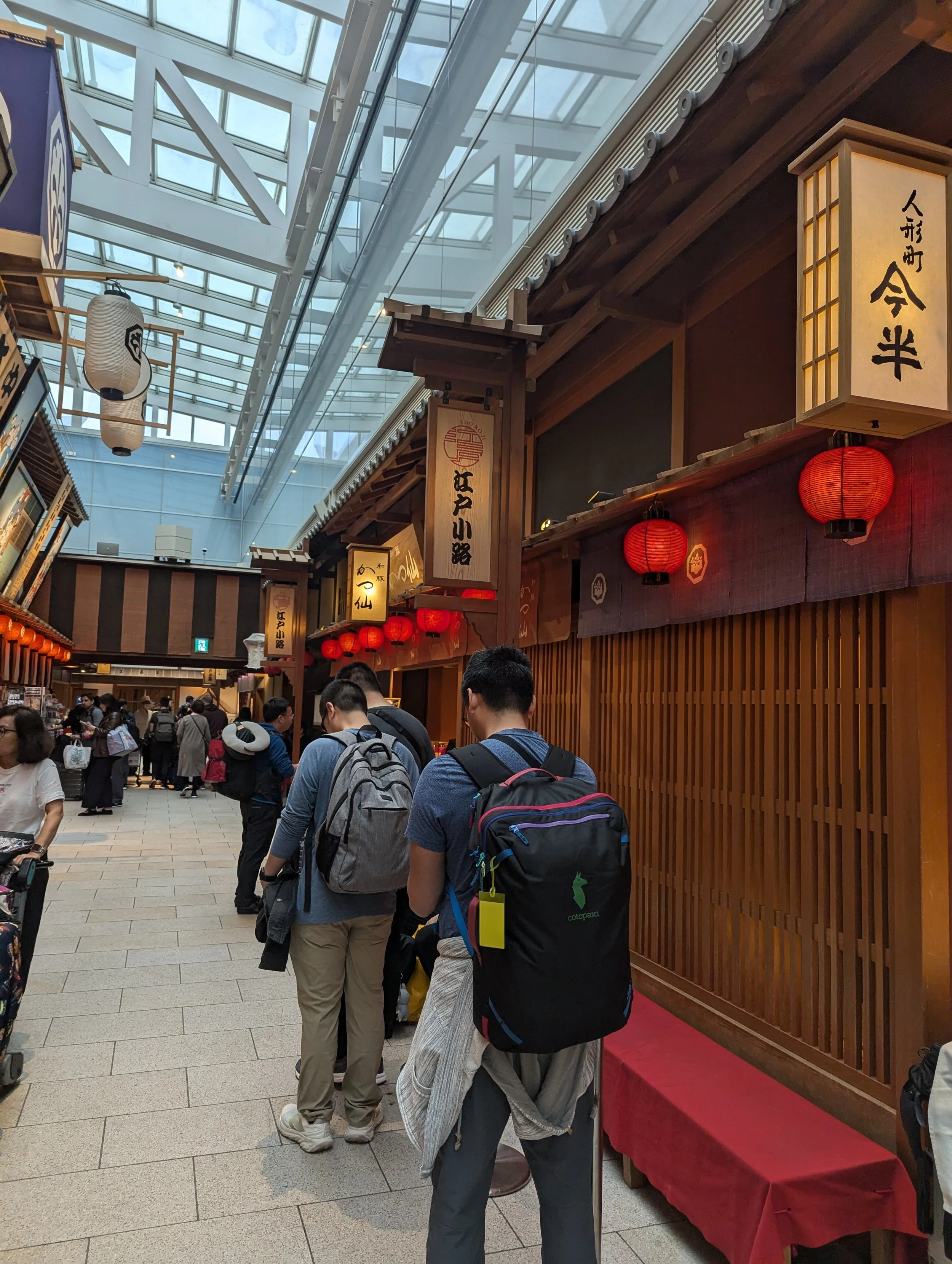
At HND, there is an observation deck on the 4th-5th floor that overlooks the runway. It is a large area and really cool to watch the planes come and go! Around the observation deck, and above the main concourse of airline check-in and security, are shops and restaurants that look like traditional Japanese streets.

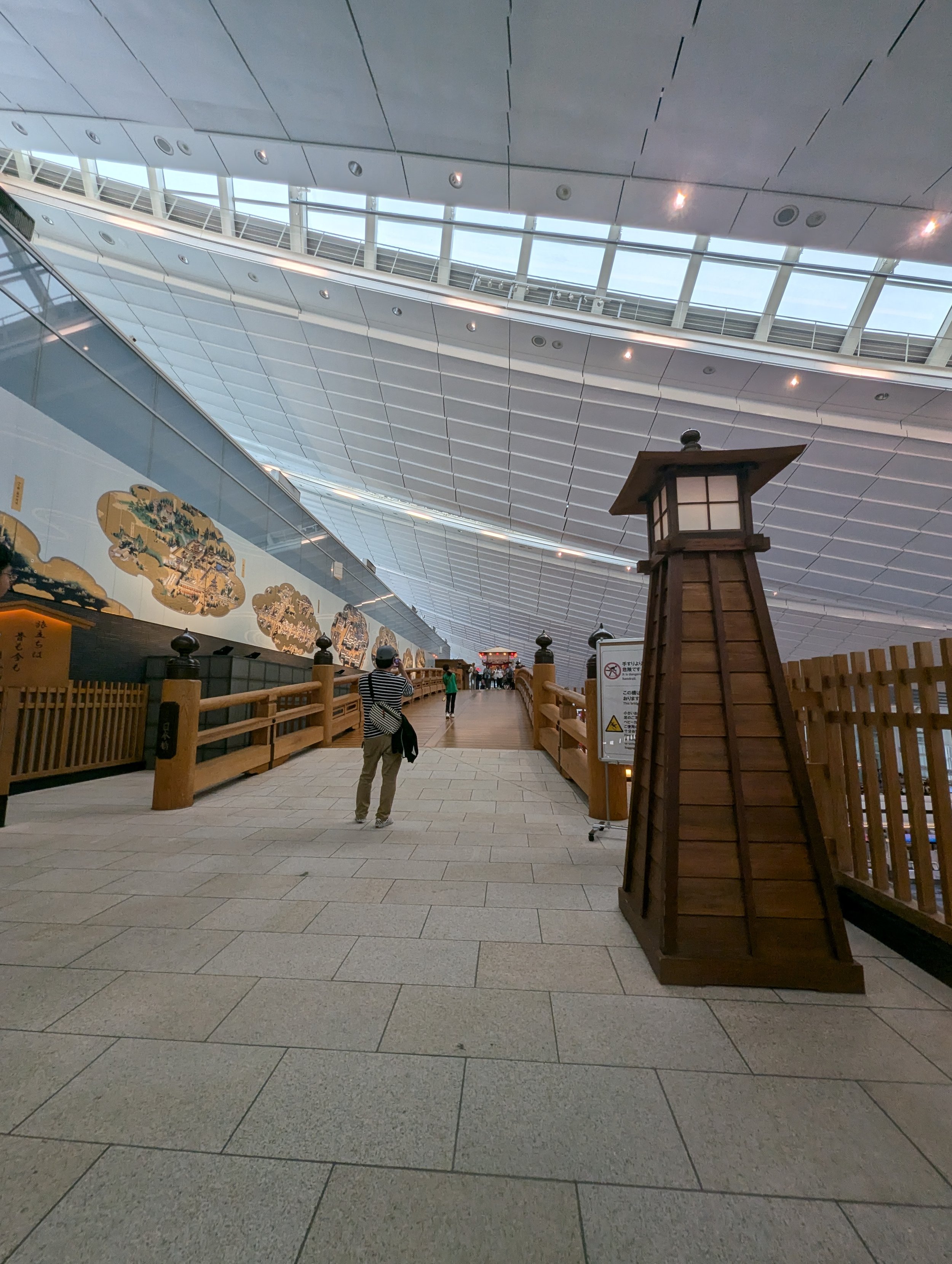
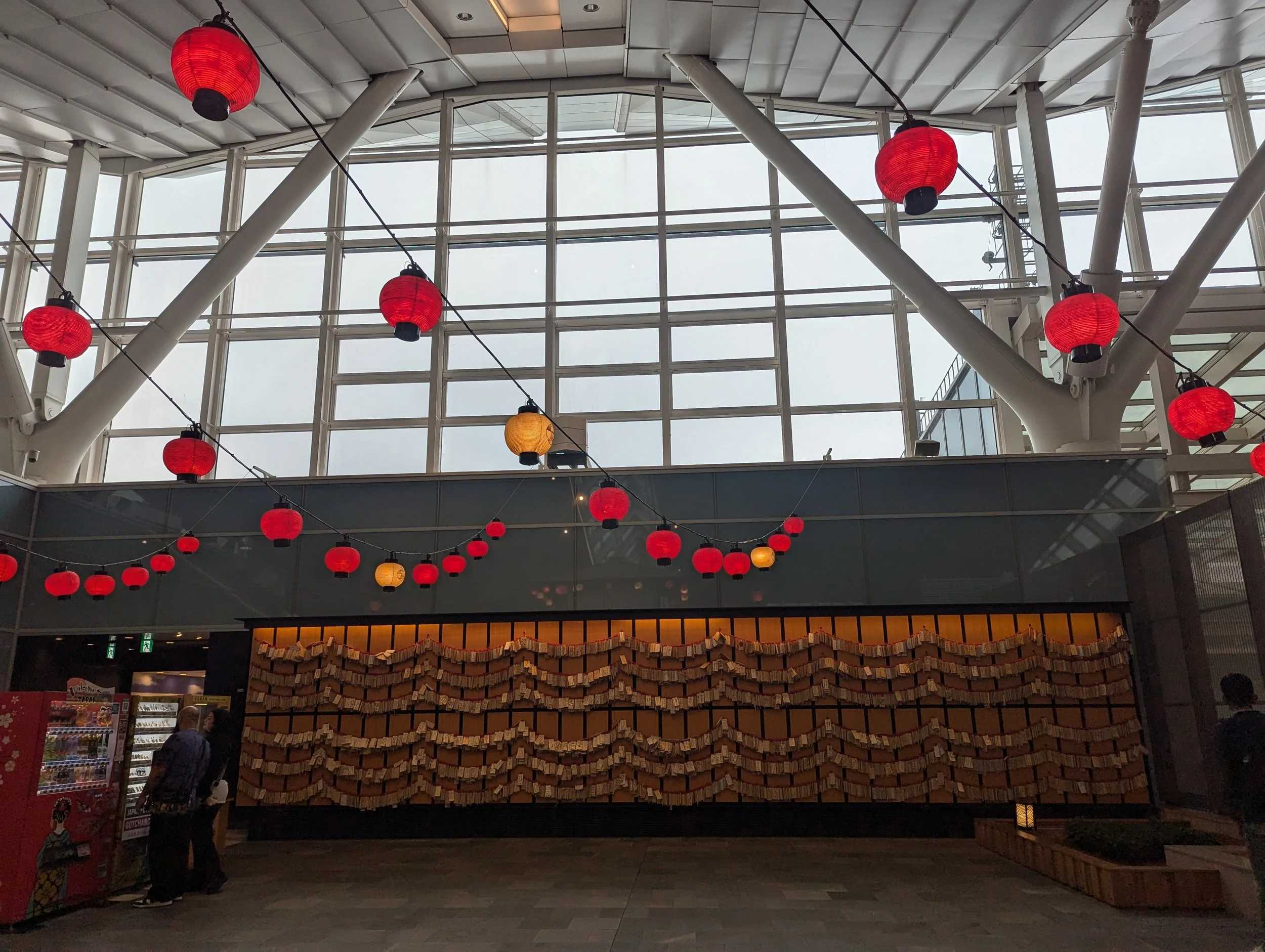
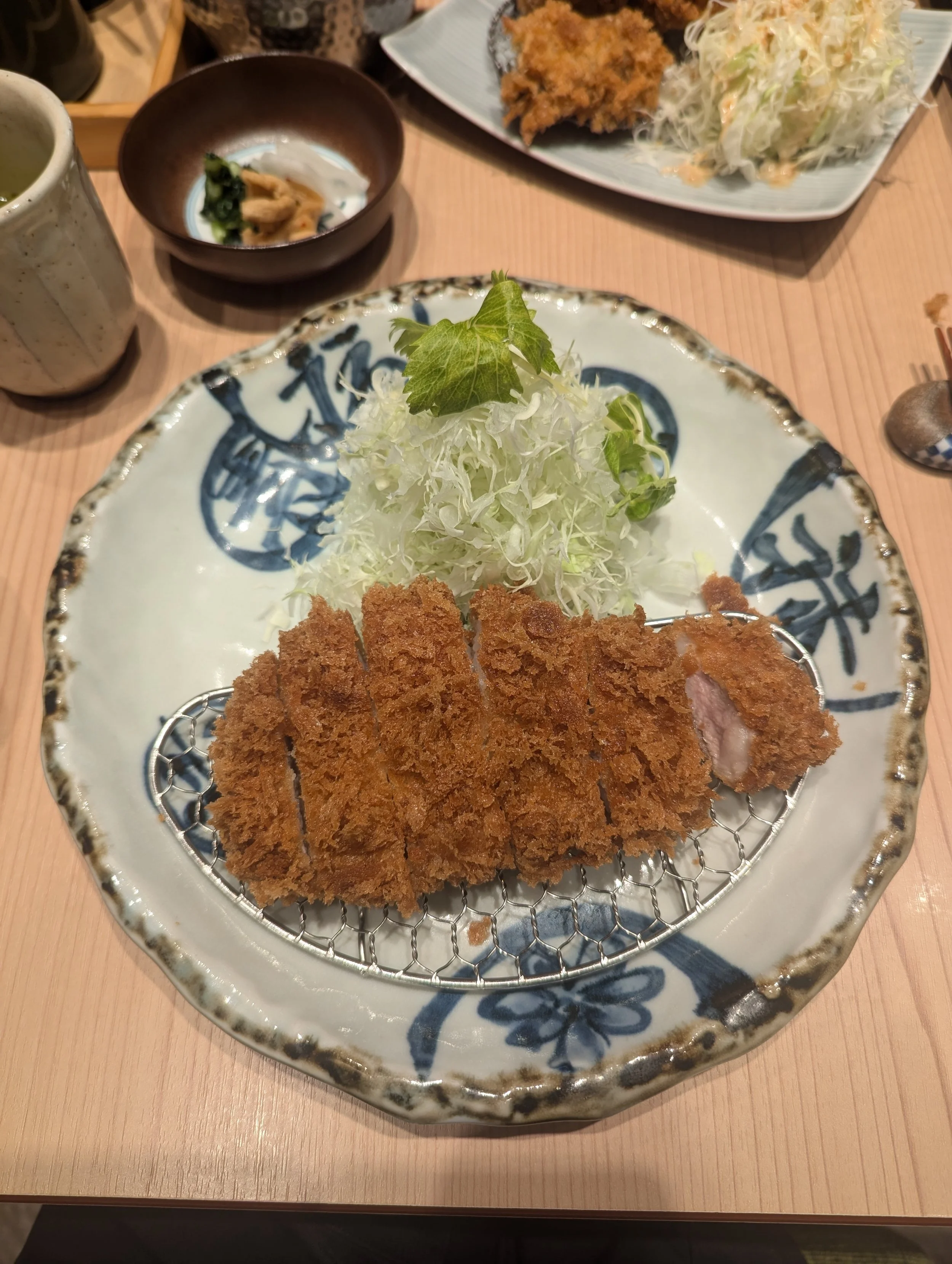
At 1:30 PM, we got in line for katsu (we still dream of the katsu we had in Kyoto Station last trip!). There was a bit of a line, but most of the restaurants had lines. There is a famous flat udon place in Haneda that would have been cool to try, but the line for that was really long. We enjoyed a hearty meal of crispy katsu and cabbage, then at 2:53 PM, we lined up for security. The queue looked extremely daunting, going across most of the concourse, but moved surprisingly fast. By 3:12 PM, we reached the boarding pass scanner, clearing security at 3:18 PM and immigration at 3:19 PM. By 3:34 PM, we even had time to grab some last-minute plushies for Kevin’s sister. She had asked us ahead of time, if we had time, to find the Pokemon vending machine in the terminal. Apparently, Haneda airport has its own Pilot Pikachu and Flight Attendant Pikachu sold in this vending machine. We got one of each - they are pretty cute.
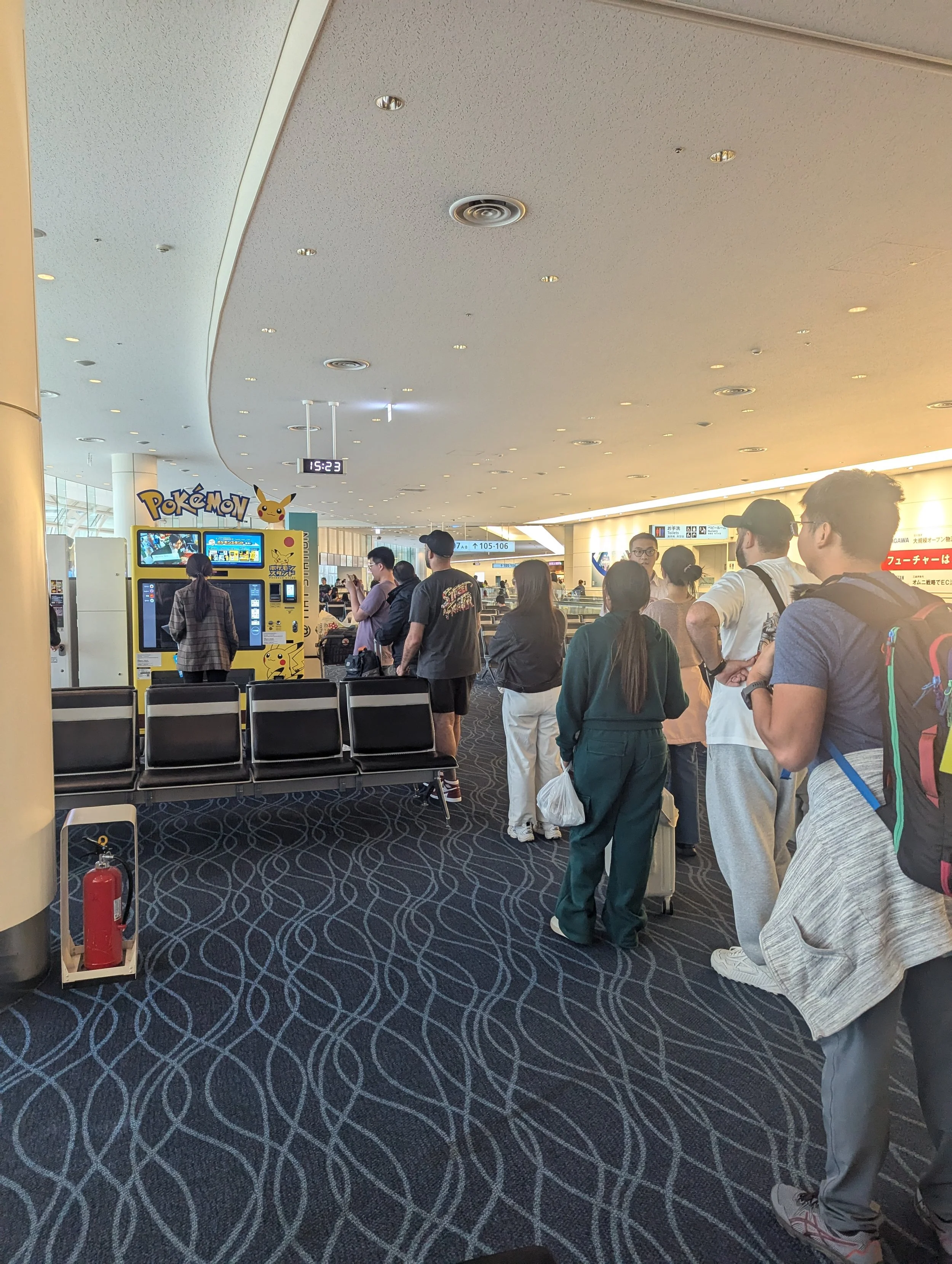
That morning, we had received a text about our flight being delayed from 3:50 PM to 5:20 PM due to an operational issue requiring an aircraft switch. Ultimately, it was pushed back even more, departing at 5:48 PM and taking off at 6:05 PM. We landed at 4:02 PM back in Newark, marking the end of an unforgettable trip.
Hokkaido had been incredible—from the fresh seafood to the relaxing onsen, the stunning fall foliage, and the warmth of the people. It’s a place we’d happily return to, and someday hope to visit Sapporo again!